Guides
#Working3D: Six Questions for a University Professor Working on 3D Microstructures in the Biomedical Field
Advances in 3D printing and bioprinting in the field of medical research are increasingly promising. One of the uses of the technology is the development of 3D microstructures and nanostructures that can be used to understand how cells function in…
- 3 min read
- Guides
- Six more stories
Advances in 3D printing and bioprinting in the field of medical research are increasingly promising. One of the uses of the technology is the development of 3D microstructures and nanostructures that can be used to understand how cells function in an environment similar to that of natural human tissue. 3D bioprinting is an excellent ally, for example, for 3D printing damaged tissue or tumors with human cells in order to increasingly accurately identify their function and identify effective personalized treatments.
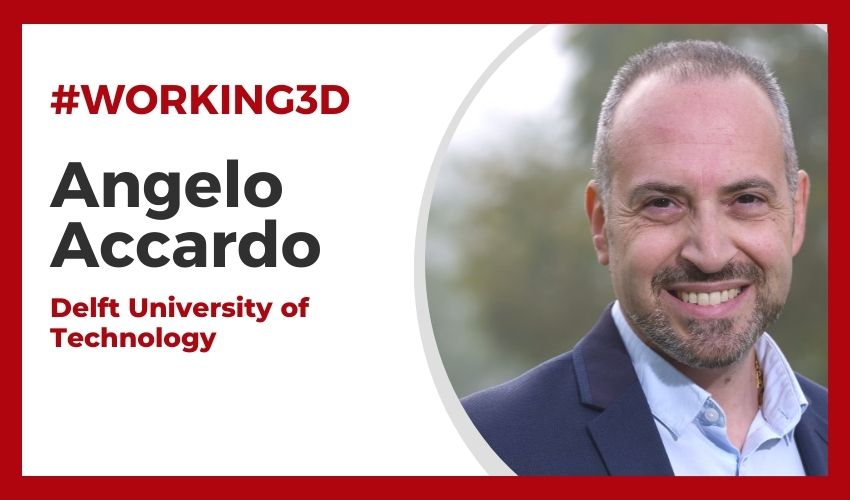
Among the universities engaged in the research and use of 3D printing techniques for nanotechnology in the biomedical field is Delft University of Technology. To learn more about the research projects carried out by the university and what it means to work in this field and making 3D microstructures, we interviewed Angelo Accardo, Associate Professor in the Department of Precision and Microsystems Engineering at TU Delft.
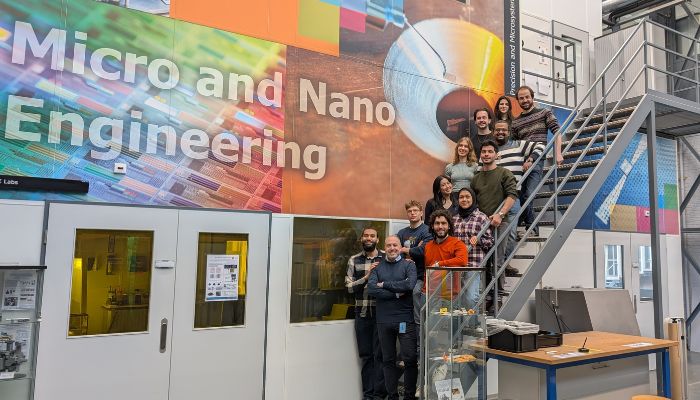
TU Delft team with Professor Angelo Accardo.
3DN: Could you introduce yourself?
My name is Angelo Accardo. I am an Associate Professor in the Department of Precision and Microsystems Engineering at Delft University of Technology (TU Delft) in the Netherlands.
More from the desk
Six other notes from the rest of the bench.
 Guides#Working3D: Six Questions for a Pharmaceutical 3D Printing ResearcherAdditive manufacturing in the medical sector is continuously improving and progressing. Innovations and applications are flourishing, demonstrating the potential of 3D technologies to improve the daily lives of many patients. The pharmaceutical field is no exception, and the grad
 Applications3D Printed Microfluidic Device to Screen Drugs for Oral Cancer TreatmentDid you know scientists can test how individual cancer patients will respond to drugs before they take them? One method for this research, called functional drug testing (FDT), involves placing patient-derived tumor cells in microfluidic devices to see how they…
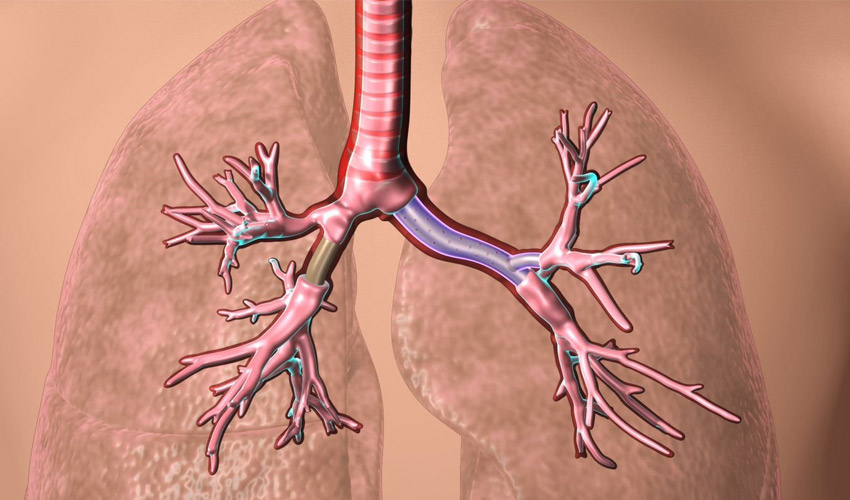 ApplicationsCustom 3D printed stents gain FDA approvalThe FDA has just approved custom-made stents designed by Dr. Tom Gildea, a physician at the Cleveland Clinic. These devices, customized to the patient’s anatomy, are placed in an artery to facilitate breathing by keeping the airway open. The stents,…
 GuidesWhich Additive Manufacturing Companies are Publicly Traded?It is no secret that additive manufacturing has been growing rapidly over the past few years, especially since it proved its resiliency during the COVID-19 crisis. Though one sign of this of course has been the significant investment in the…
 MaterialsADDITIV Metals World, the Virtual Event Dedicated to Metal Additive ManufacturingAfter the success of last year’s ADDITIV virtual events, which brought together thousands of additive manufacturing professionals, with key players in different industries, the leading virtual event platform for additive manufacturing is back once again. This time, we’
 PrintersInterview with BQ: How to democratize 3D printing?BQ are a well-known 3D printer manufacturer hailing from Spain that produce a number of popular printers. Perhaps the most popular of their range of BQ 3D printer machines is the Witbox Go! This sleekly designed machine was designed to…