Applications
3D Printed Microfluidic Device to Screen Drugs for Oral Cancer Treatment
Did you know scientists can test how individual cancer patients will respond to drugs before they take them? One method for this research, called functional drug testing (FDT), involves placing patient-derived tumor cells in microfluidic devices to see how they…
- 3 min read
- Applications
- Six more stories
Did you know scientists can test how individual cancer patients will respond to drugs before they take them? One method for this research, called functional drug testing (FDT), involves placing patient-derived tumor cells in microfluidic devices to see how they react to different combinations of drugs. Microfluidic devices are meant to simulate the flow of fluids in the body, and the Indian Institute of Technology Hyderabad (IITH) designed novel, 3D printed, microfluidic devices to screen drugs for oral cancer. The goal of this research was to develop a drug screening platform that will allow researchers to see how drugs interact with cancer cells.
IITH designed the 3D printed microfluidic device for the study using Formlabs’ clear resin because they found it to be the best 3D printing material for cultivating the desired cells. Three patients enrolled in the study, whose biopsy samples were used to isolate oral tumor stem-like cells, which were then cultivated further to form spheroids in the microfluidic device. Spheroids are spherical cells, in this case self-aggregating cancer cells, that benefit the research because they help recreate the diverse tumor population and conditions within the body. The result? Spheroids-on-a-chip.
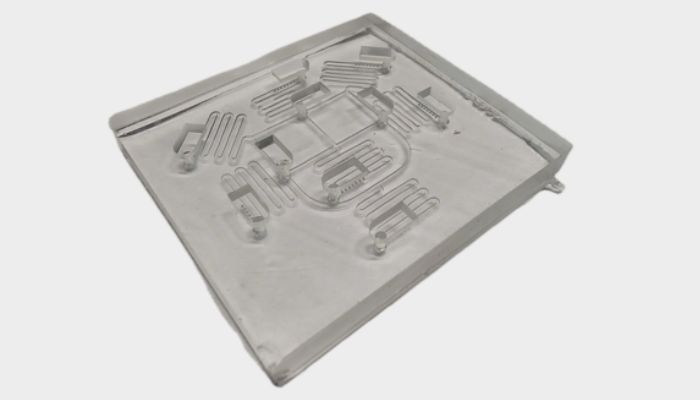
3D printed microfluidic device created by IITH. (photo credit: Mehta, V., Vilikkathala Sudhakaran, S. et al., Journal of Nanobiotechnology, 2024)
This chip, or 3D printed microfluidic device, created by IITH has a two-layer network of serpentine loops for mixing drug combinations, and cylindrical microwells for cultivating the spheroids. The composition allows them to test seven combinations of three well-known drugs for oral cancer: paclitaxel, 5‑fluorouracil, and cisplatin. Because tumors can develop drug resistance, sometimes the best method of treatment involves combining them.
More from the desk
Six other notes from the rest of the bench.
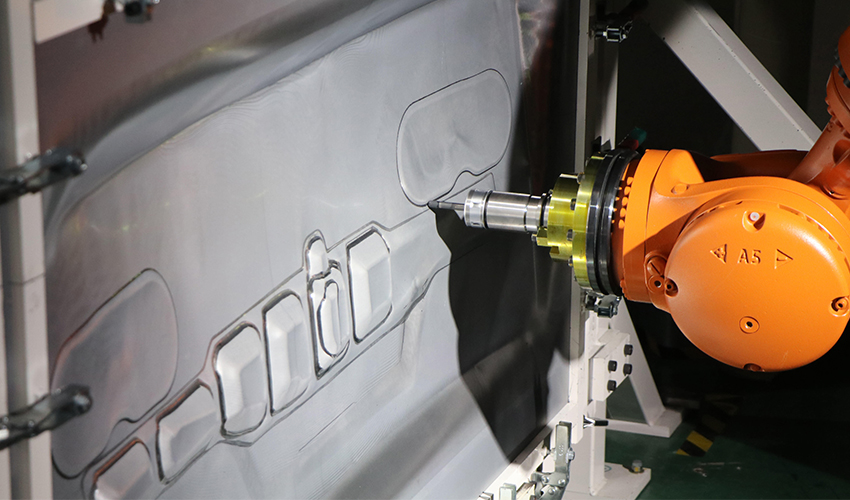 NewsSolize Corporation and HP Partner with Nissan to Create Aftermarket PartsOnce again, the automotive and additive manufacturing industries are working together. As part of Nissan’s NISMO Heritage Parts program, Solize and HP are working together to produce 3D printed aftermarket parts for the Skyline GT-R R32 / R33 / R34. And…
 MaterialsMIT Uses Artificial Intelligence To Automate 3D Printing Materials Discovery ProcessArtificial Intelligence, and more specifically, machine learning, is finding its way through various applications in the additive manufacturing industry. This time, researchers from MIT have applied the data-driven nature of machine learning to automate the process of discovering
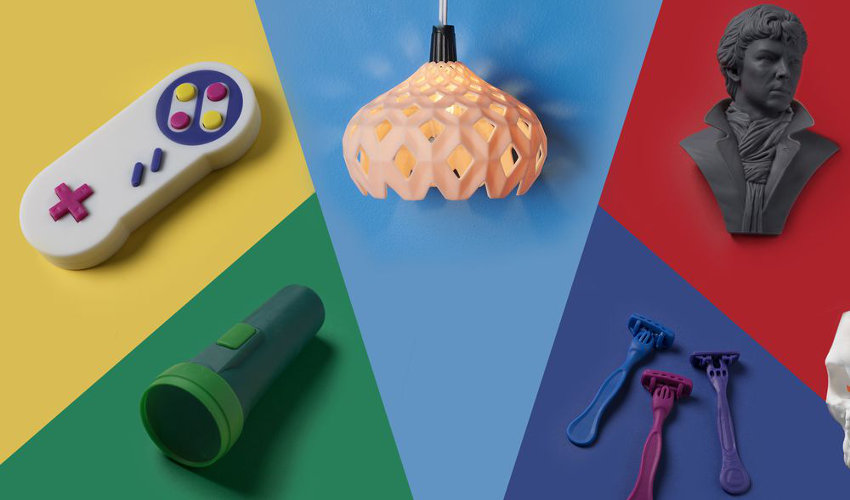 MaterialsFormlabs Announces Color Printing for their SLA 3D Printers3D printer manufacturer Formlabs will launch a new range of resins for their SLA machines including color. The Color Kit is available for their Form 2 3D printer, and will print color parts. This is important as it eliminates the…
 GuidesHow To Celebrate Easter With 3D PrintingThe sun is out, temperatures are warming up and Easter will take place this Sunday! Changing every year, Easter Sunday takes place following the first full moon after the vernal equinox (March 20th), though it is always on a Sunday…
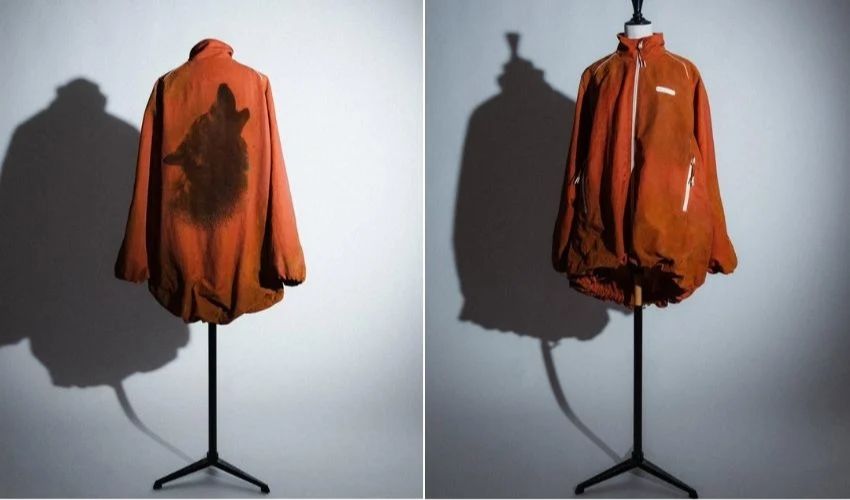 NewsNovak Djokovic’s Jacket at The French Open: A 3D-Printed Wolf and Real ClayThe 2026 Roland-Garros Tournament kicked off last week, and we can’t pass up the chance to highlight Novak Djokovic’s entrance. The Serbian player arrived wearing a jacket featuring a 3D-printed wolf and real clay from the legendary Parisian court. The…
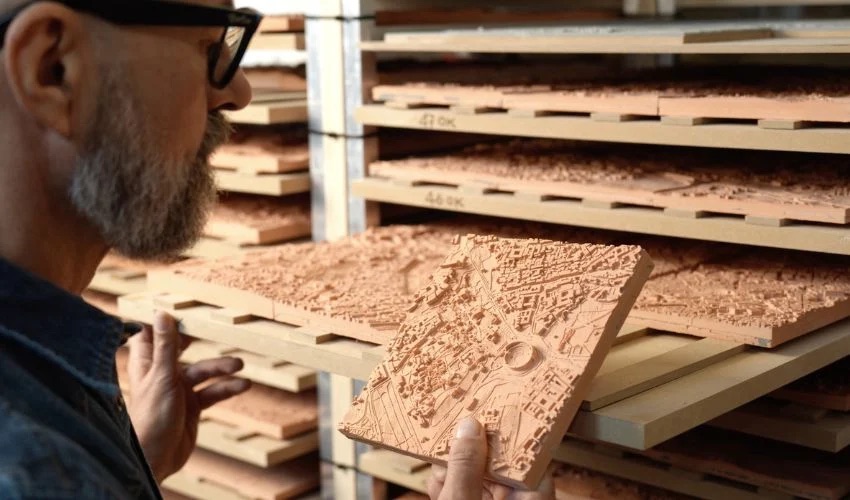 NewsRome in Terracotta: A City Model Made Possible by 3D PrintingAt MAXXI, Italy’s national museum dedicated to contemporary art and architecture, a striking model of Rome is currently on display through April 26. Spanning 48 square meters and made up of 953 terracotta tiles, the piece reproduces the entire municipal…