News
How TPM3D Is Using SLS PEBA to Scale 3D-Printed Footwear
As major athletic brands continue expanding their use of additive manufacturing, the 3D-printed footwear market is shifting beyond aesthetically driven lifestyle shoes toward high-performance athletic applications. TPM3D announced that it has reached a significant milestone with
- 3 min read
- News
- Six more stories
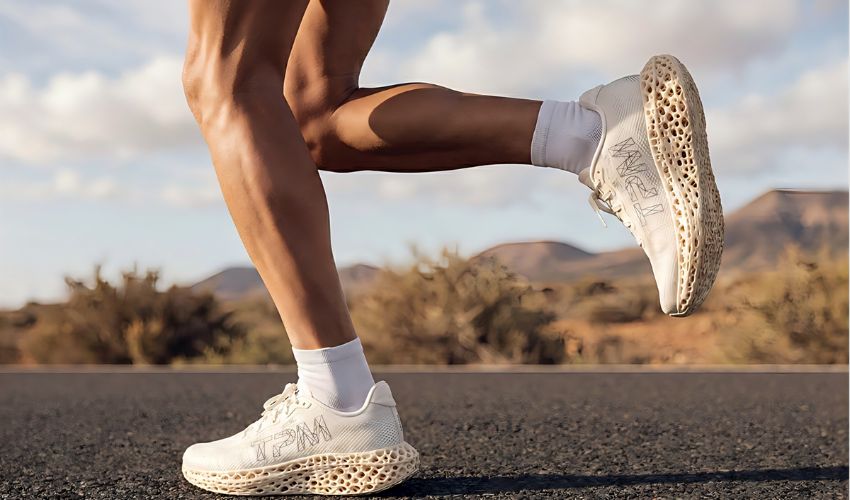
As major athletic brands continue expanding their use of additive manufacturing, the 3D-printed footwear market is shifting beyond aesthetically driven lifestyle shoes toward high-performance athletic applications. TPM3D announced that it has reached a significant milestone with the industrial-scale integration of selective laser sintering (SLS) and high-performance PEBA elastomers for footwear manufacturing.
Pioneers like Zellerfeld have demonstrated that fully 3D-printed shoes can reach mainstream audiences. However, the industry has continued to face what many consider a “performance ceiling.” Most current solutions rely on DLP, SLA, or FDM technologies. While these processes can produce visually complex and aesthetically appealing designs, they can fall short in professional athletic scenarios due to limited fatigue resistance and insufficient energy return. TPM3D believes its approach can effectively address those limitations by combining SLS technology with high-performance PEBA materials.
Why SLS PEBA?
According to TPM3D, this approach combines its SLS process and high-performance PEBA materials to deliver what the company describes as superior performance consistency. Compared to many of the resins and TPU materials commonly used in 3D-printed footwear, PEBA offers a stronger balance of elasticity, fatigue resistance, and energy return, qualities that are particularly important in performance athletic footwear.
More from the desk
Six other notes from the rest of the bench.
 NewsA Californian Church Will Be 3D PrintedWhile we are now used to seeing 3D printed houses, bridges or even pop-up stores, as far as we know, no religious building has yet been designed using additive manufacturing. Though that is all about to change as according to…
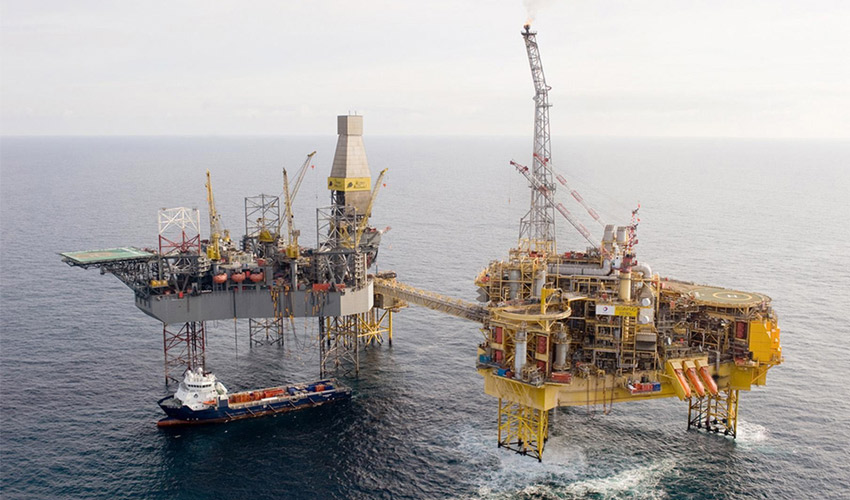 NewsVallourec and Total Made the First 3D-Printed Safety Critical Component in the Oil & Gas IndustryA few months ago, after a year of collaboration, Vallourec and Total announced that they had successfully installed the first ever 3D printed waterbushing in the North Sea. For those who might not know, waterbushings are safety-critical components in the…
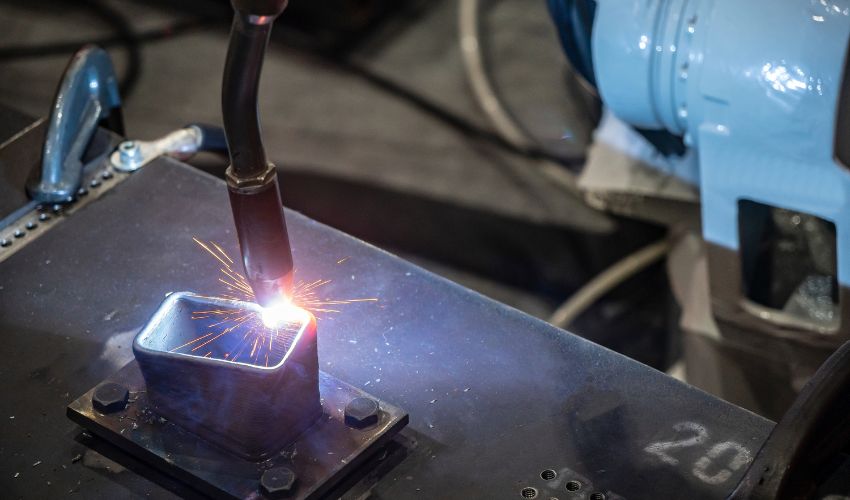 News8 Reasons Why Additive Manufacturing Complements Traditional TechnologiesIn the world of manufacturing, the integration of new technologies has been a pillar to maintain competitiveness in the increasingly demanding and dynamic global market. The adoption of new tools often seeks to improve efficiency, reduce time and costs, and…
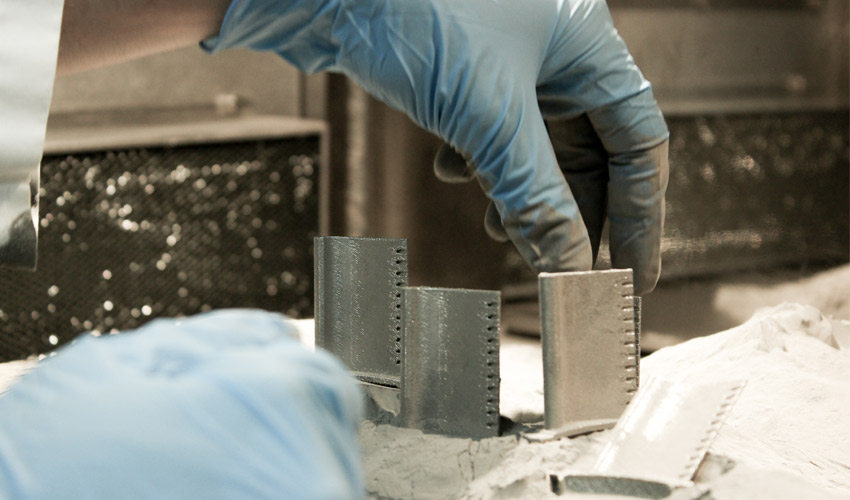 NewsHow to adopt metal additive manufacturing: Experts give their advice!While metal additive manufacturing technology has been maturing over the years, experiencing greater growth in comparison to plastic printing processes, one question seems to persist in the market: how can you successfully integrate metal additive manufacturing into your business
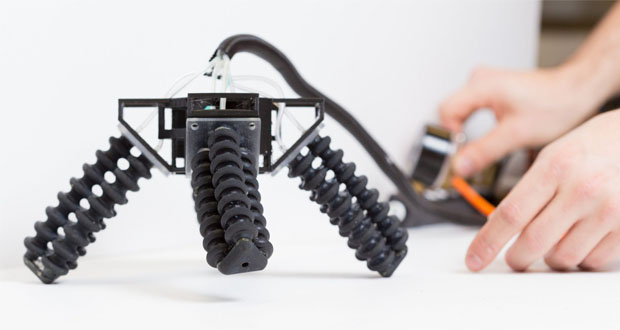 NewsIntroducing this 3D printed robot that is able to walk on multiple terrainsScientists at the University of California San Diego have used 3D printing to create robots that have the ability to walk on different surfaces, including sand. The 3D printed robot could be used to retrieve information in hazardous environments or…
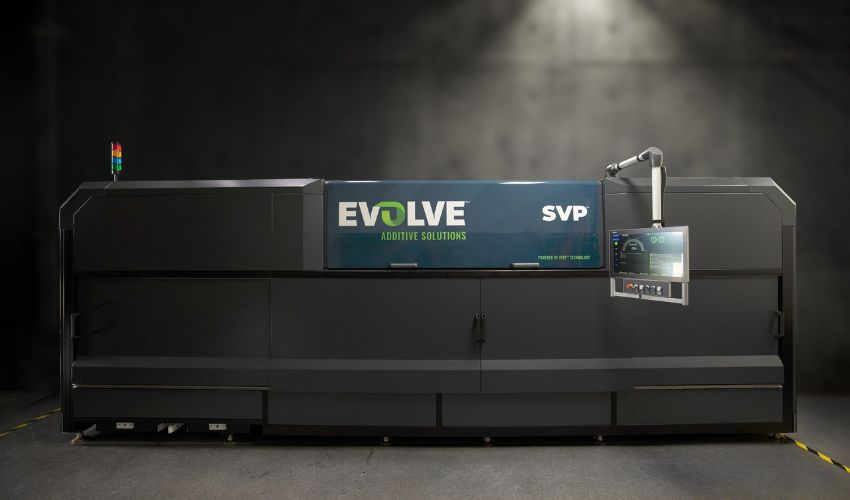 GuidesEvolve Additive Solutions on its STEP Technology for Agile ProductionAmong the well-known advantages of additive manufacturing is the digitization of production: the ability to quickly produce on-site and on-demand, with only the necessary material. This is also why AM is seen as a way to unlock Agile Manufacturing, i.e.…