News
How to adopt metal additive manufacturing: Experts give their advice!
While metal additive manufacturing technology has been maturing over the years, experiencing greater growth in comparison to plastic printing processes, one question seems to persist in the market: how can you successfully integrate metal additive manufacturing into your business
- 3 min read
- News
- Six more stories
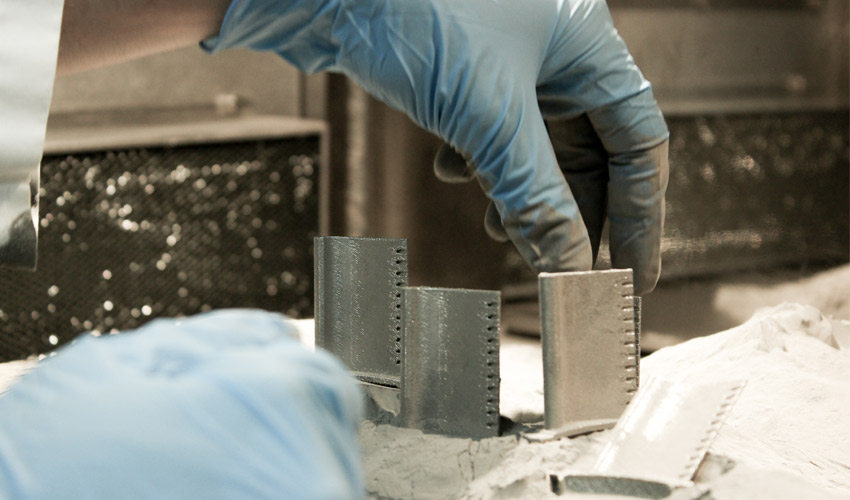
While metal additive manufacturing technology has been maturing over the years, experiencing greater growth in comparison to plastic printing processes, one question seems to persist in the market: how can you successfully integrate metal additive manufacturing into your business? Metal 3D printing remains a heavy investment with higher machine and material costs than other technologies on the market. Moreover, for mass production it struggles to compete with other more traditional manufacturing techniques such as machining. Today, metal additive manufacturing is predominantly used to make functional prototypes, tooling components, spare parts or even to repair defective parts, nevertheless some sectors are starting to design end-use parts for series production. How can you be sure of the solution you choose and how can you integrate it efficiently into your production processes? We interviewed three experts to give you practical advice!
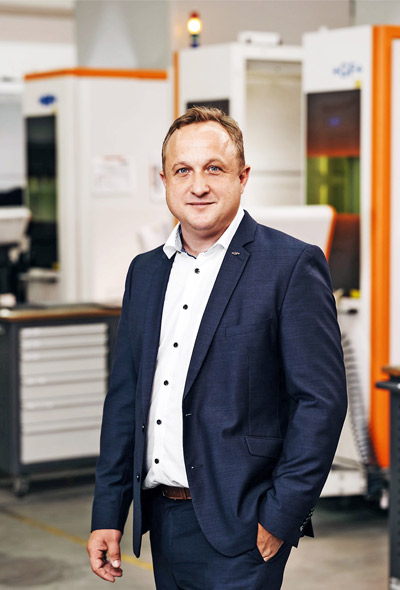
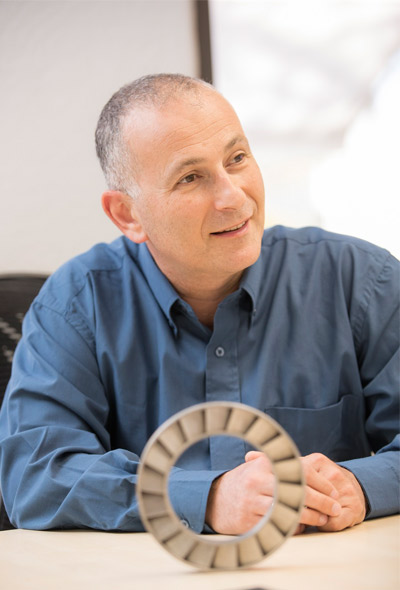
Bernd Martiné has been Expert for Advanced Manufacturing Technologies at GF Machining Solutions since 2013, and responsible for sales and applications of additive manufacturing in Germany. Today, he manages various industrial sectors that have invested in metal solutions, be it for tooling or the production of end-use parts. Our second expert is Benny Buller, CEO and founder of VELO3D, the pioneer of the support-less process for metal AM. Last but not least, Dr. Johannes Gumpinger is Advanced Manufacturing Process Engineer at the European Space Agency (ESA). He develops solutions to apply additive manufacturing as a standard design process for space missions.

Why consider investing in metal additive manufacturing?
Metal 3D printing technologies offer more complexity and geometrical freedom than traditional machining methods while also optimizing the total weight of the part thanks to adapted software, which allows using the necessary material only. ESA, which has been using metal additive manufacturing for more than 10 years, developed an interest in R&D, seeking to understand how to further develop the characterization of materials and the resistance of parts. Today, Dr. Johannes Gumpinger explains: “The high geometrical freedom can effectively be used for developing parts with increased performance, reduced mass, but also lower costs.”
More from the desk
Six other notes from the rest of the bench.
 NewsICON Raises $ 9 Million to Create Affordable 3D Printed HousesRemember the American startup based in Texas: ICON? Now the company has presented their project of 3D printed houses, created in few hours and at an unbeatable price. ICON has just announced that a fundraising effort raised $ 9 million. The money will help…
 NewsFood waste converted into delicious 3D printed snacksMass production of food has only exacerbated the issue of food waste. Food waste happens during processing, distribution and finally consumption. According to the Food and Agriculture Organisation of the United Nations, food waste worldwide represents a third of the…
 MaterialsProject PLA sets out to recycle your 3D printing plastic wasteProject PLA is an initiative launched by William Sloth, a New York high school student – the aim of this initiative is to recycle all PLA plastic waste generated from 3D printing. The concept is simple, the startup sends boxes…
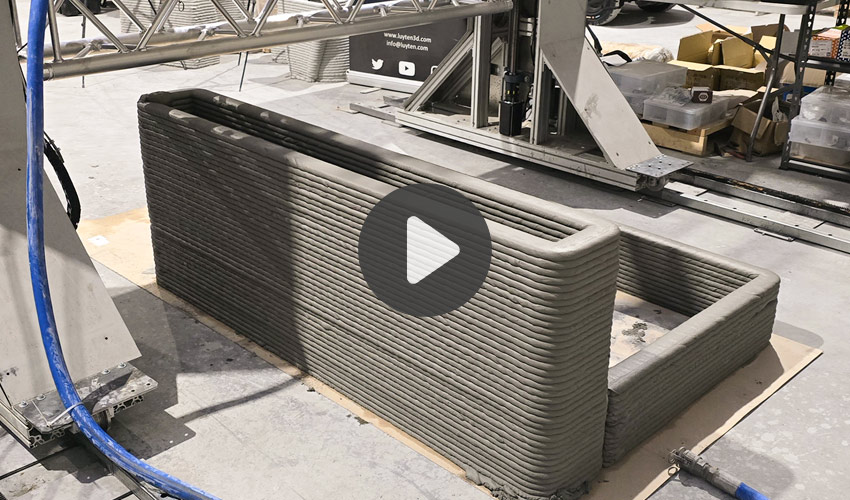 NewsTop 5 Videos: How is 3D Printing Done in Space?For this week’s installment of Top 5, we’re including our #3DInterview with Ahmed Mahil, CEO and Global President of the 3D printing company Luyten. He dives into how 3D printing is done in space, the origins of his company’s name,…
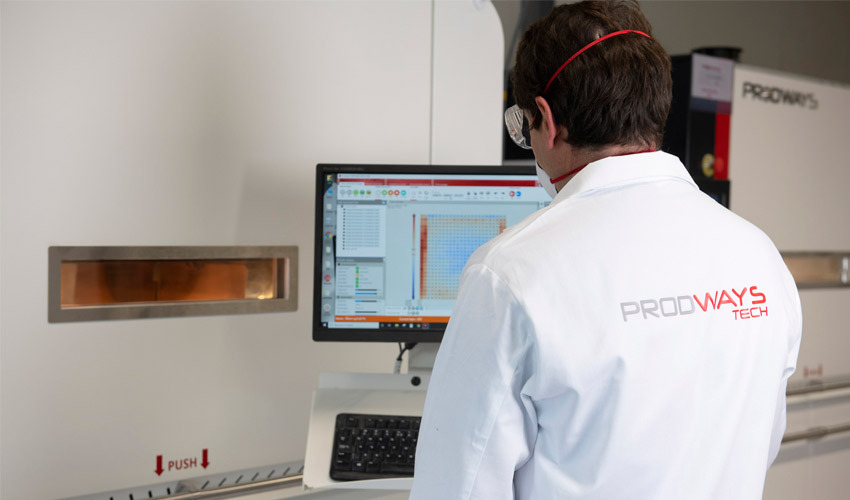 PrintersProdways Introduces the ProMaker P1000 S to Democratize SLS for Industrial ProductionThe French manufacturer Prodways introduced its brand new 3D SLS printer, the ProMaker P1000 S, at Formnext Digital Days. Designed to make SLS additive manufacturing more accessible, this new industrial solution is reliable, ergonomic, flexible and adapted to industrial productio
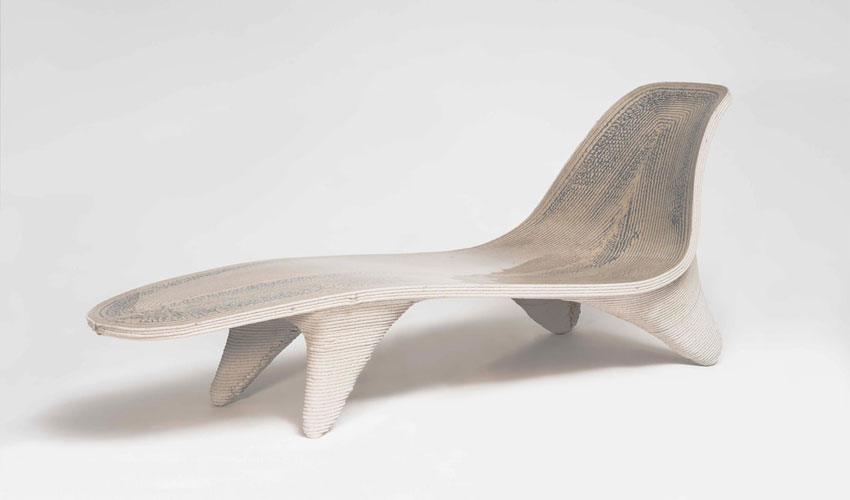 NewsA lounge chair using 3D concrete printingWhile 3D concrete printing is gaining momentum in the construction industry, it seems that technology is also widely used in the arts industry to create complex and unique structures, including furniture. This is the case of this project presented by the designer Philipp…