News
Vallourec and Total Made the First 3D-Printed Safety Critical Component in the Oil & Gas Industry
A few months ago, after a year of collaboration, Vallourec and Total announced that they had successfully installed the first ever 3D printed waterbushing in the North Sea. For those who might not know, waterbushings are safety-critical components in the…
- 3 min read
- News
- Six more stories
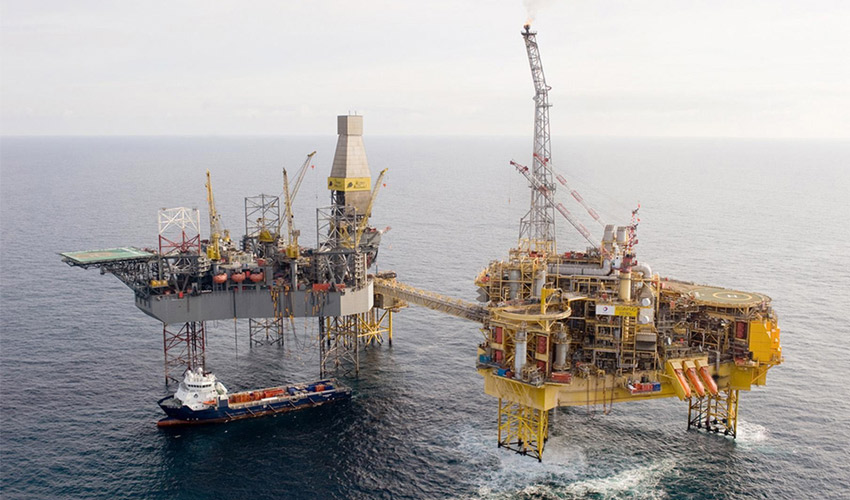
A few months ago, after a year of collaboration, Vallourec and Total announced that they had successfully installed the first ever 3D printed waterbushing in the North Sea. For those who might not know, waterbushings are safety-critical components in the oil and gas drilling industry, often used to counteract the buildup of hydrocarbons in wells (and the resulting hydrocarbon kicks) during their construction. The manufacturers used Wire Arc Additive Manufacturing technology (WAAM) and were able to 3D print this 1.2 meter high and 220kg component! The result is a 50% reduction in total weight as well as a reduction in carbon footprint.
We hear a lot about the applications of additive manufacturing in the aerospace, automotive and medical industries, but not so much in the oil & gas sector. And yet, according to a GlobalData study, additive manufacturing in the industry is expected to reach $32 billion by 2025 worldwide, and more than $60 billion by 2030. It enables the development of critical parts which must be capable of withstanding high pressures as well as resistant to fluids or gas, etc. The advancement of printing materials and the capacity of AM machines now offer new prospects for manufacturers in this sector. This is why Vallourec has seized this opportunity by working with Total on the development of this undeniably important part.
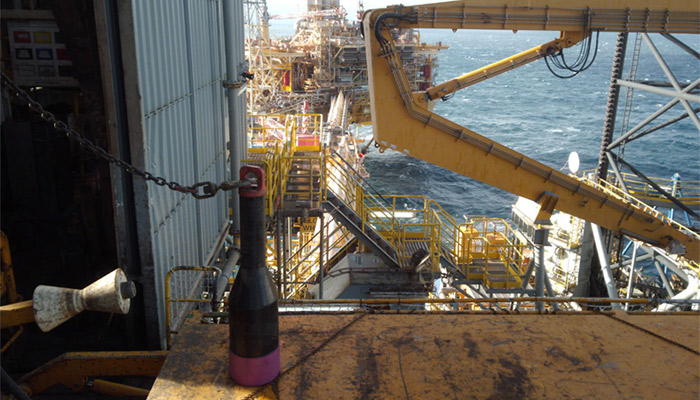
The waterbushing is a key component in securing a well (photo credits: Vallourec/Total)
The waterbushing is a pressurized component that must be extremely resistant and reliable to guarantee the safety of a well installed offshore. Manufacturing it using 3D technologies therefore involved a re-qualification of the process and numerous tests to ensure that the part would withstand the pressure of hydrocarbons and the possibility of a hydrocarbon kick which occurs when the pressure rises and which can result in a blowout, one of the most severe threats association with oil rigs, which environmental consequences as well as the possibility of loss of life. Edwige Ravry, Additive Manufacturing Business Manager in Total’s R&D department, explains: “This is the first time that a safety-critical component has been created using additive manufacturing in the Energy industry. It was essential for us to have the right partner and a good business case. Vallourec, as a longstanding partner, provided us with that confidence.”
More from the desk
Six other notes from the rest of the bench.
 GuidesPlasmics Combines Individual Requirements and High Quality Standards With Innovative FDM PrintingPlasmics, Austrian company based in Vienna, was founded in 2018. What is interesting about the company is that it seeks to develop pioneering 3D printing solutions that do not require years of specialist knowledge. This has lead to Plasmics estbalishing…
 News#3DExpress: Siemens Creates Special Interest Group Dedicated to Additive ManufacturingOnce again, it is time to bring you the weekly #3DExpress, where we take a look at some of the interesting tidbits from this week. Today, we will start off with well-known OEM Siemens, who has shown their dedication to…
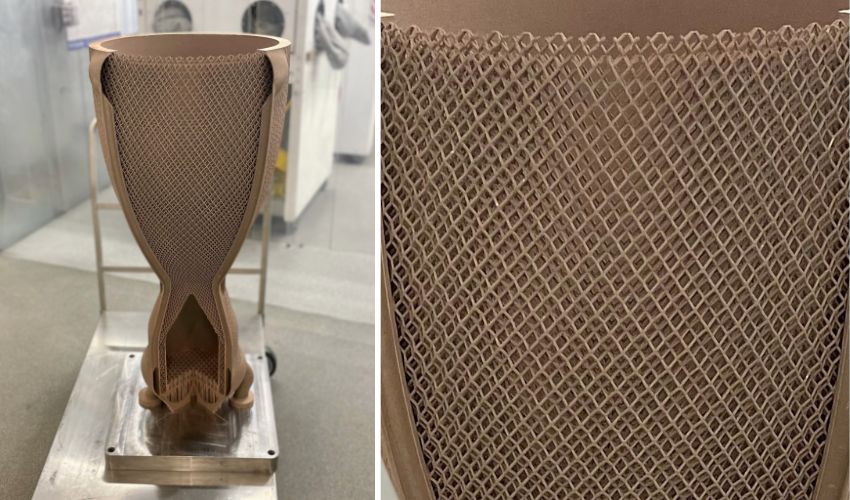 ApplicationsSintavia Awarded DoD Contract to Develop 3D Printed Hypersonic Propulsion SystemsIt has long been clear that with additive manufacturing, not even the sky is the limit. And once again that has been proven. Sintavia, a company which claims to be the world’s first all-digital aerospace component manufacturer, has announced that…
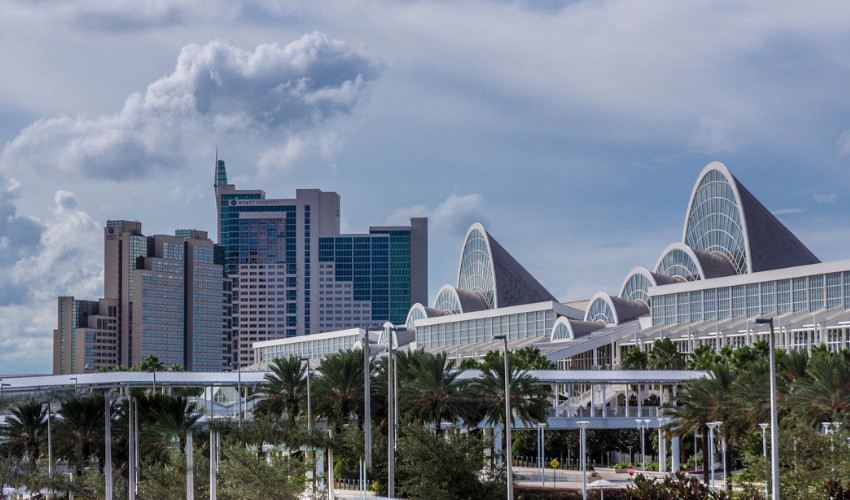 NewsAMUG 2021: A Round-Up of all the News from the EventAMUG 2021 has officially ended! As you probably know, the Additive Manufacturing User Group (AMUG) association has been organizing this conference since the 1990s, this year it took place on May 2 – 6, 2021, in Orlando, Florida. The conference…
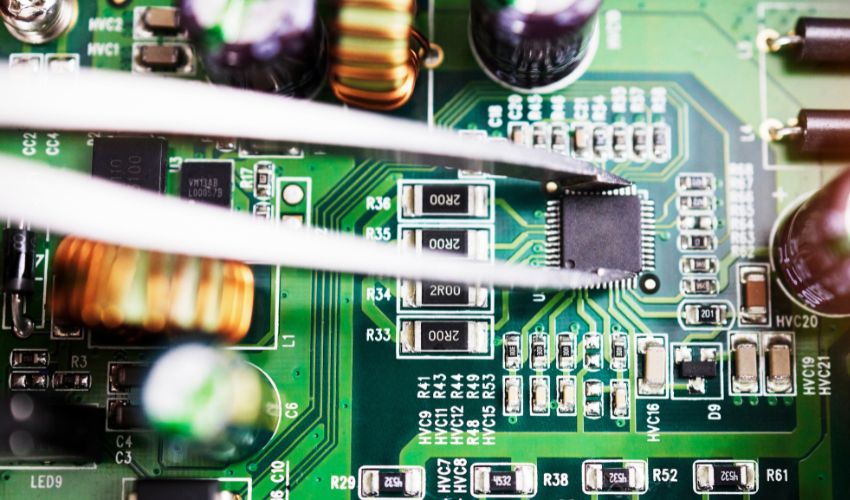 NewsMIT Pushes Boundaries with Breakthrough for 3D Printed ElectronicsSometimes, innovation can be born out of coincidence. When MIT researchers were 3D printing magnetic coils out of polymer filament doped with copper nanoparticles, they noticed an unexpected quality in the material: it had a high resistance to electrical currents,…
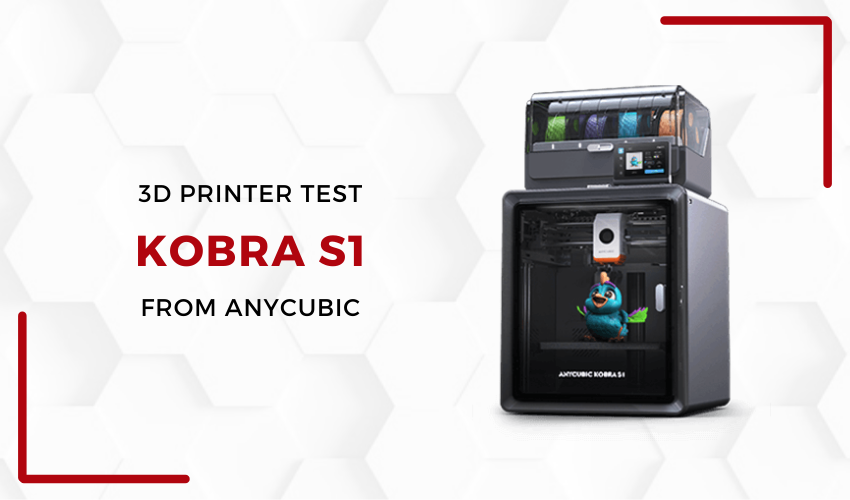 Printers3Dnatives Lab: Testing the Anycubic Kobra S1 3D PrinterThe consumer 3D printing market is evolving rapidly, with increasingly high-performance, affordable machines. Among the new products recently launched, the Anycubic Kobra S1 Combo stands out with its closed design, CoreXY architecture, compatibility with the ACE Pro multi-materia