News
A Californian Church Will Be 3D Printed
While we are now used to seeing 3D printed houses, bridges or even pop-up stores, as far as we know, no religious building has yet been designed using additive manufacturing. Though that is all about to change as according to…
- 3 min read
- News
- Six more stories
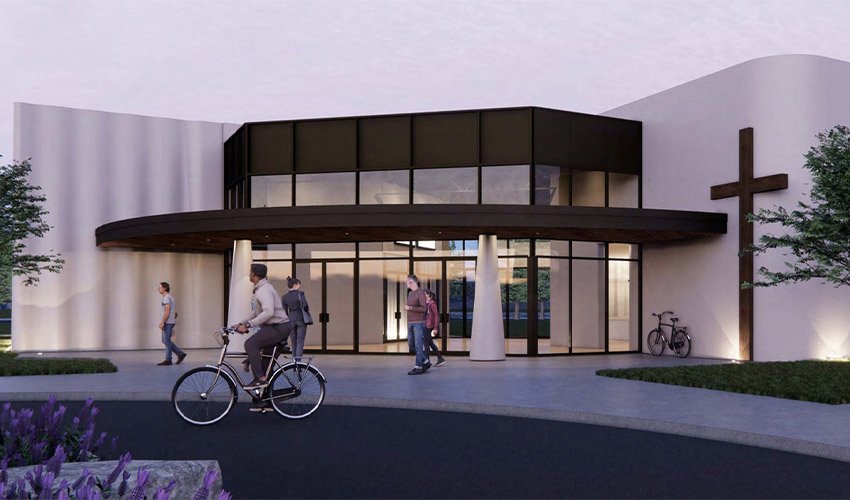
While we are now used to seeing 3D printed houses, bridges or even pop-up stores, as far as we know, no religious building has yet been designed using additive manufacturing. Though that is all about to change as according to the latest news from California, a church may be 3D printed soon. Or at the very least, an order has been place and the construction itself should be starting soon. The Lake California Community Church has contracted the American company Don Ajamian Construction and the 3D printing company Emergent 3D to build a church. A first in both the construction and additive manufacturing industry.
Commenting on the reasons behind the move, Jim Laxson, the paster of Lake California Community Church explained, “We’ve been trying to build a church for 20 years now and now, with 3D printing, we’re going to be able to build it more economically.” Don Ajamian certainly agrees, though he considers that the benefits of additive manufacturing are not only about the reduced cost of construction. In fact, the 3D printed interior walls were designed to provide perfect acoustics by directing sound waves directly to the audience. So much so that, according to Ajamian, the pastor will not need a microphone to address the entire audience, a benefit I think we can all agree in a Church where many must be addressed even in the far-away seats.
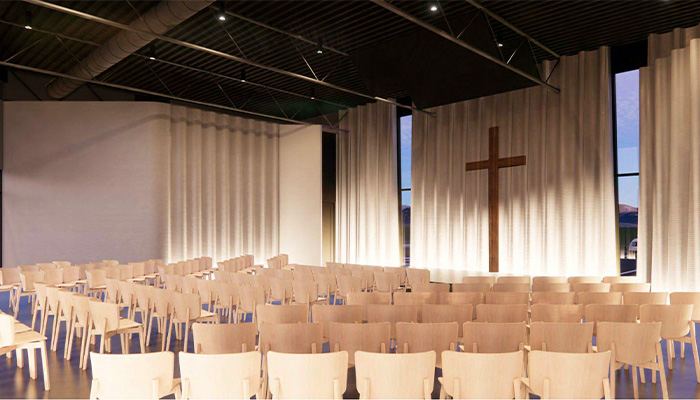
The interior of the church (photo credits: Don Ajamian Construction)
Why 3D Printing?
As previously mentioned, a large reason the Lake California Community Church hired Emergent 3D was to minimize construction costs. And we can say that this choice certainly paid off. The different teams explained that they saved about 10% in costs, especially in relation to the construction materials used. To print the church, the two companies said they used COBOD’s 3D solutions, which are often used in large-format construction 3D printing projects.
More from the desk
Six other notes from the rest of the bench.
 NewsMeet the Foodini, the Michelin-Star Approved Appliance Bringing 3D Printing to the KitchenBrothers, Javier and Sergio Torres, of the Michelin-starred restaurant, Cocina Hermanos Torres, have equipped their kitchen with the Foodini. The Foodini, is a 3D printing kitchen appliance developed by Natural Machines, a Barcelona-based food tech company. The device is the&hell
 GuidesTCT Show 2017 Open their doors this September in BirminghamTCT Show is one of the largest 3D printing events in the world and will be taking place in Birmingham, England in only a couple weeks. This event is known for both wowing their visitors and bringing together some of…
 Printers#3DExpress: Formlabs its ‘Fastest’ Resin 3D Printer, the Form 4It is once again time for #3DEXPRESS, where we give you some of the most interesting tidbits from the 3D printing news of the week. We start off today with Formlabs’ new resin 3D printer, the Form 4, which the…
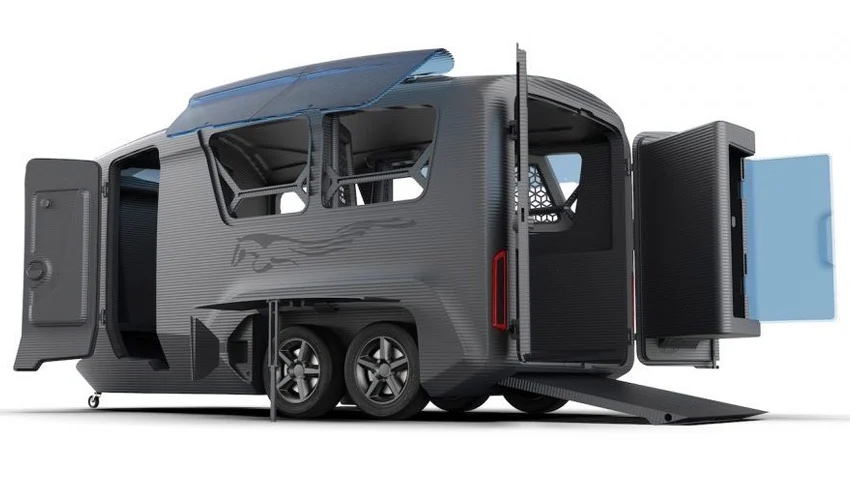 NewsDouble D Trailers Has Announced the First 3D Printed Horse TrailerDouble D Trailers is an American brand that specializes in the manufacture of horse trailers. The company’s goal is to design the first 3D printed horse trailer using an XXL printing solution with a robotic arm. By using additive manufacturing,…
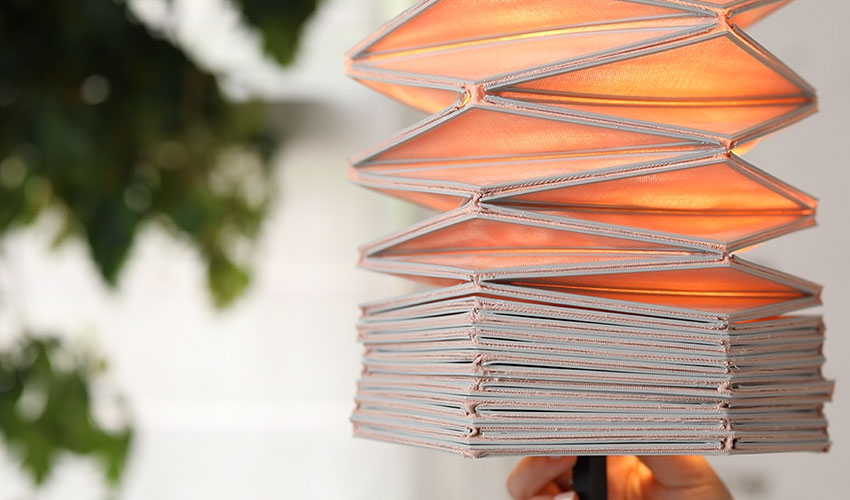 NewsConductive Origami, the project that combines 3D printing, textiles & lightingThe evolution of materials in 3D printing has opened the door to a number of groundbreaking applications. In the design sector, it is certainly a way for artists and designers to explore art with 3D printing. This is how young…
 PrintersTop 3D Scanner Apps for Android and iOSObtaining a 3D file for printing can be done in many ways: free or paid download from a dedicated platform, modeling from an adapted CAD software or 3D scanning via a 3D scanner. Today there are a multitude of solutions…