News
Sandstone 3D printing for the Urban Dunes architecture project
Additive manufacturing has established itself as not only a viable, but desirable solution for many architecture-related projects. Architects and designers choose to use 3D printing for various reasons: more complex geometries, sustainability, unique material properties, lower co
- 3 min read
- News
- Six more stories
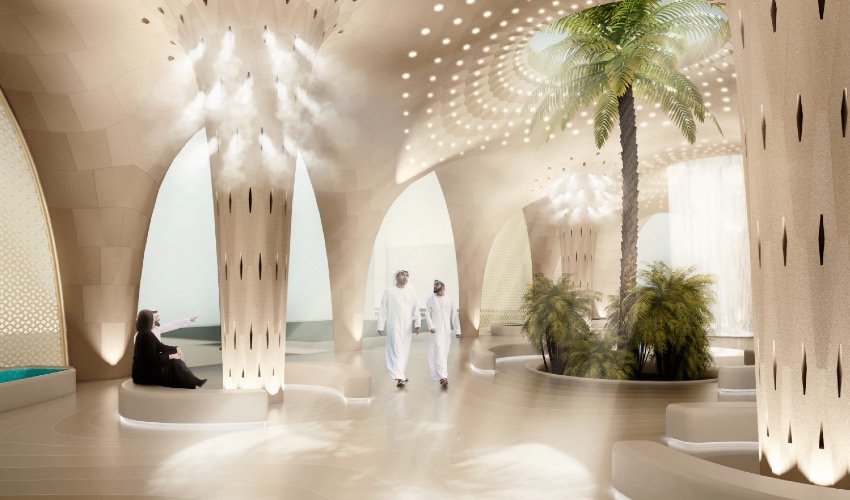
Additive manufacturing has established itself as not only a viable, but desirable solution for many architecture-related projects. Architects and designers choose to use 3D printing for various reasons: more complex geometries, sustainability, unique material properties, lower costs. For instance, we have covered a story about the 3D printed facade made with ceramic blocks, its purpose was to provide a natural ventilation system during hot weather. The latest architecture project that caught our attention is also concerned with a similar issue – hot climate. Called The Urban Dunes, it is a project which envisions a sustainable solution to reduce the heat island effect for the extreme climate of Abu Dhabi. The Italian design firm Barberio Colella Architects together with architect Angelo Figliola came up with a unique design that they plan to complete using 3D printing technologies.
The Italian team plans to use advanced technologies and at the same time pay tribute to traditional architecture – the structure will consist of elegant vaulted spaces, vernacular shading devices, and cold-water basins. The vault (illustrated on the cover image of the article) is composed of several blocks made of 3D printed sandstone, using the local sand as a primary material. The sand is solodified through binder jetting, which allows to manufacture large-sized blocks with a high level of precision. The use of a 3D printed vault with a thickness of 55 cm, permits to avoid the overheating of the urban space thanks to the high thermal mass of the shell. How exactly will the Urban Dunes solve the over-heating issue?
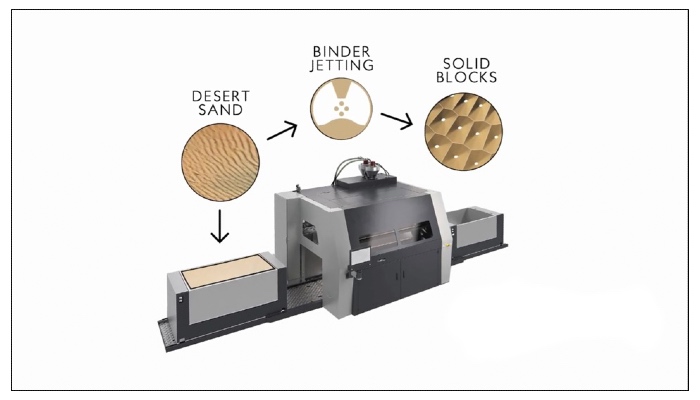
The sand is mixed with heat-reflective cool pigments to increase surface reflectance and reduce surface heat build-up, thus reducing energy consumption through lower cooling requirements. The space below the vault represents an urban microclimatic space protected from the sun using a vernacular sun shading device called mashrabiyya, which also enhances the natural ventilation of the space. In fact, the wind meets the perforated surface of the mashrabiyya and increases its speed – this incoming airflow touches cold water basins, thus further spreading a sense of freshness inside the public space.
More from the desk
Six other notes from the rest of the bench.
 ApplicationsPARI Researchers Use 3D Printed Dark Ceramics to Advance Hypersonic ManufacturingHypersonic manufacturing is one of the most challenging areas of research in modern aerospace applications. Vehicles traveling at more than five times the speed of sound have to withstand extreme conditions, including temperatures of more than 2000°C and enormous mechanical&helli
 ApplicationsMINI Partners With Designer Paul Smith to Create the More Sustainable MINI StripFor some time now, the British car manufacturer MINI has been trying to become more eco-responsible. And in order to put its money where its mouth is, MINI has teamed up with British fashion designer Paul Smith to develop a…
 NewsUniversity of North Dakota to 3D Print Nuclear Reactor ComponentsAdditive manufacturing is known for producing complex parts that are subject to many safety and efficiency requirements. In the case of nuclear reactors, the importance of detail is paramount, and 3D printing has proven itself in the past. For example,…
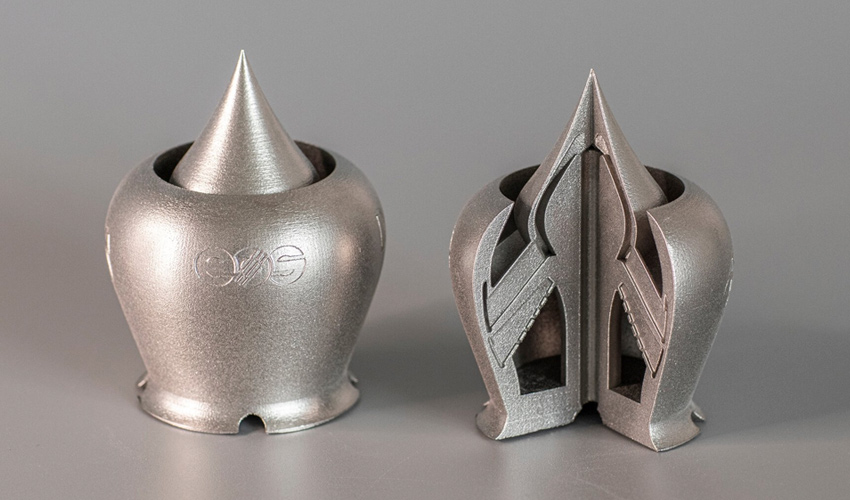 MaterialsEverything You Need to Know About 3D Printing with Nickel AlloysNickel alloys have become increasingly important in 3D printing due to their thermal and mechanical strength as well as their resistance to corrosion. These qualities make them an ideal choice for producing high-performance components in industries such as aerospace, automotive,&
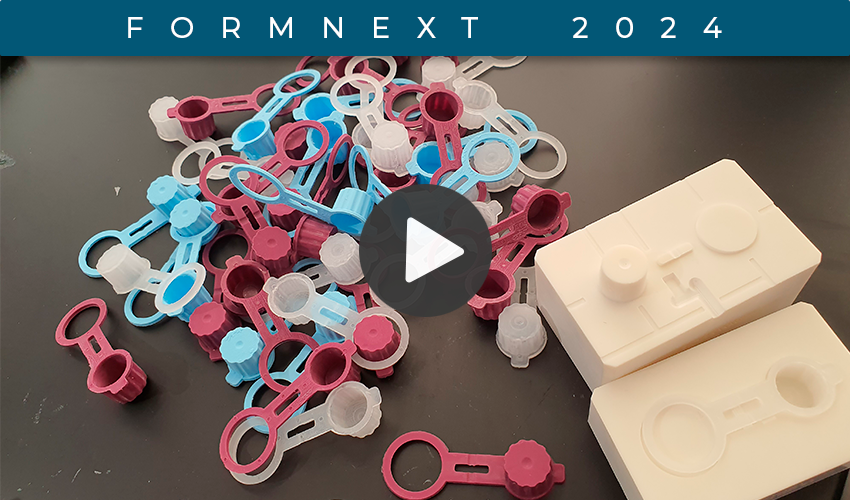 NewsLumia X1 and Hi-SPEED SLA from Axtra3DAxtra3D is a young AM company based in the USA and Italy that specializes in high-speed SLA systems. The start-up’s flagship product, the Lumia X1 printing system, combines Hybrid PhotoSynthesis polymerization with TruLayer, a technology for layer separation. The special&he
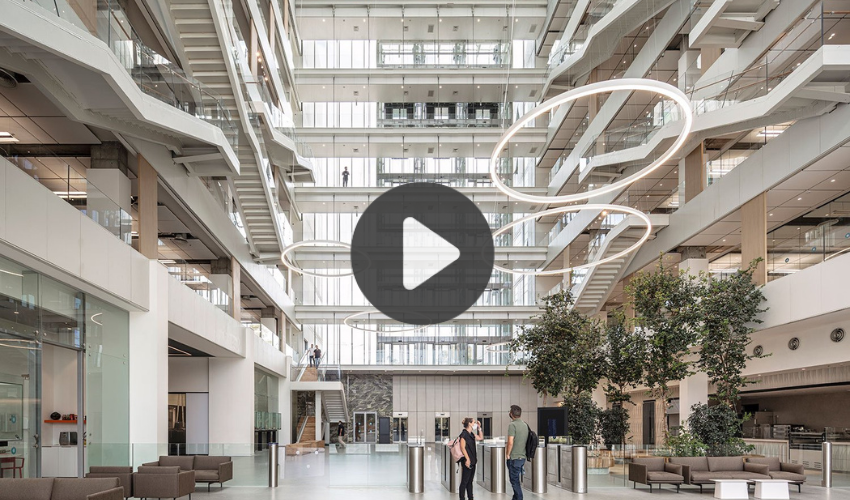 NewsTop 5 Videos: Visiting Stratasys Headquarters in IsraelIt is once again Sunday, which means it is time for the week’s top 5 3D printing videos! First up, 3Dnatives visits Stratasys headquarters in Israel as part of an Inside 3D tour series. Next up, a steakhouse restaurant in…