Applications
PARI Researchers Use 3D Printed Dark Ceramics to Advance Hypersonic Manufacturing
Hypersonic manufacturing is one of the most challenging areas of research in modern aerospace applications. Vehicles traveling at more than five times the speed of sound have to withstand extreme conditions, including temperatures of more than 2000°C and enormous mechanical&helli
- 3 min read
- Applications
- Six more stories
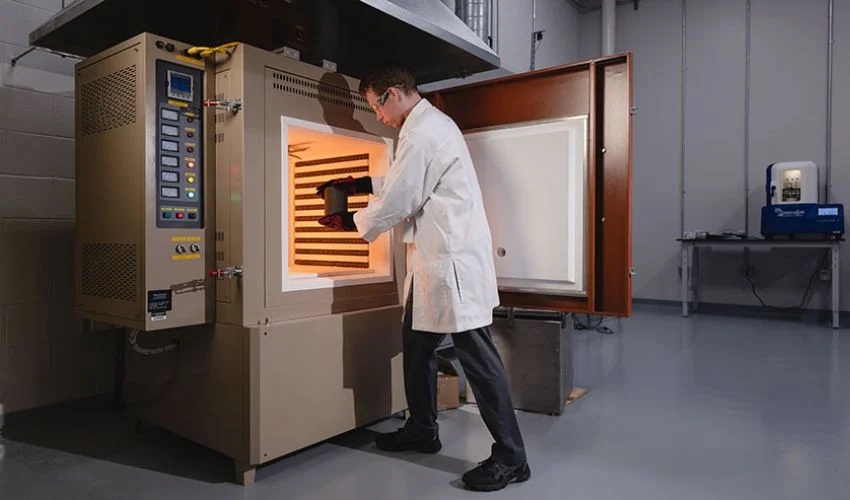
Hypersonic manufacturing is one of the most challenging areas of research in modern aerospace applications. Vehicles traveling at more than five times the speed of sound have to withstand extreme conditions, including temperatures of more than 2000°C and enormous mechanical loads. Conventional materials quickly reach their limits here. That is why researchers at the Purdue Applied Research Institute (PARI) are now developing additive manufacturing processes to produce dark ceramics in complex shapes for the components of hypersonic vehicles using 3D printing.
Dark ceramics were chosen because they can withstand the extreme conditions of hypersonic flight and are less susceptible to cracking or wear. Rodney Trice, professor in the College of Engineering’s School of Materials Engineering and the thrust lead in ceramic processing at PARI’s Hypersonics Advanced Manufacturing Technology Center (HAMTC), is leading the research. The goal? To 3D print components on a large scale to increase the efficiency and performance of hypersonic vehicles.
The team used 3D printers at HAMTC that use digital light processing (DLP) technology and work with a UV light projector. This irradiates a thin layer of ceramic powder and resin, which hardens the material and fixes the powder. Trice emphasizes that this process allows complex designs and geometries to be produced with smooth surfaces and micrometer precision. The team has succeeded in producing different shapes, including cones and hemispheres, which are suitable for the construction of hypersonic vehicles.
More from the desk
Six other notes from the rest of the bench.
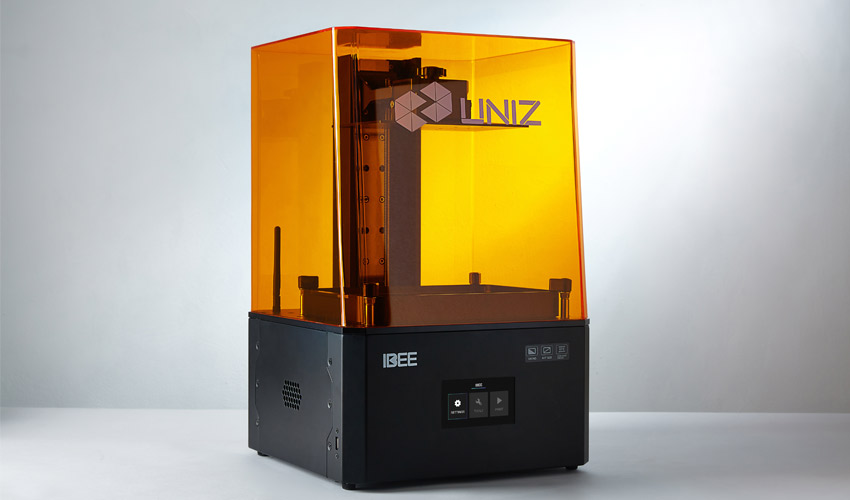 PrintersUNIZ releases consumer LCD 3D printer that offers industrial capabilitiesLocated in San Diego, California, the 3D printing company UNIZ has just launched a Kickstarter for its latest resin 3D printer IBEE. In fact, IBEE is an LCD 3D printer that aims to offer a high-performance, yet affordable 3D printing…
 NewsAustralian Police Arrested a Teenager With a Fully Functioning 3D Printed GunDuring the house raid of an 18-year-old suspect in Western Australia, Police officers from the Drug and Firearm Squad secured a number of illegal firearms, including a 3D printed semi-automatic gun. The 4kg gun is able to fire 15 lethal…
 NewsMAMEHA combines beauty and 3D printing technology to deliver sustainable skincareThe minimalist Japanese-inspired startup, MAMEHA, aims to deliver high-quality skincare with a gender and ethically neutral design. The new ethical brand will kickstart a crowdfunding campaign on September 8th to launch its 7-day serum programme to the world. The serums,…
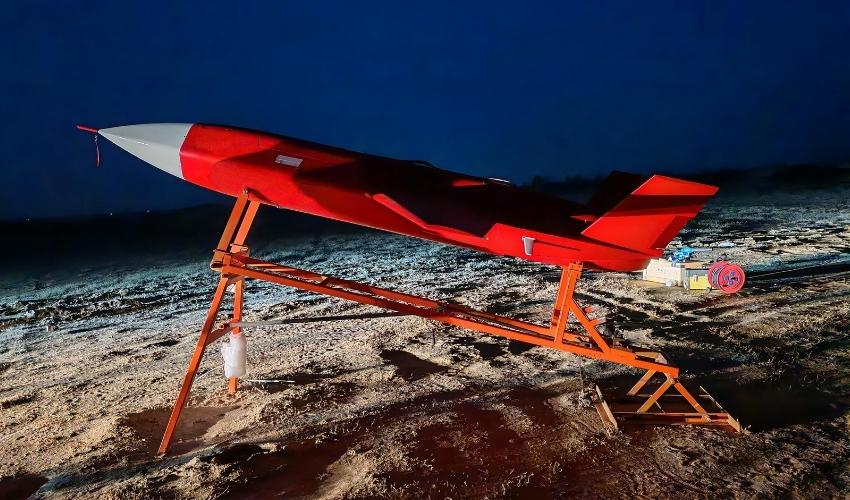 ApplicationsChina Completes First Flight Test of 3D Printed Turbojet EngineChina’s push toward next-generation propulsion reached a major milestone this month as the country’s aviation engine group announced the successful first flight test of its newly developed 3D printed “minimalist” turbojet engine. The achievement signals a significant step forward
 NewsEPFL is Developing an Elephant Robot Using 3D PrintingResearchers at the École Polytechnique Fédérale de Lausanne (EPFL) in Switzerland have introduced an impressively versatile yet lightweight robotic technology: an elephant robot made with 3D printing. The 3D-printable lattice structure is made from simple foam, but it can be&hell
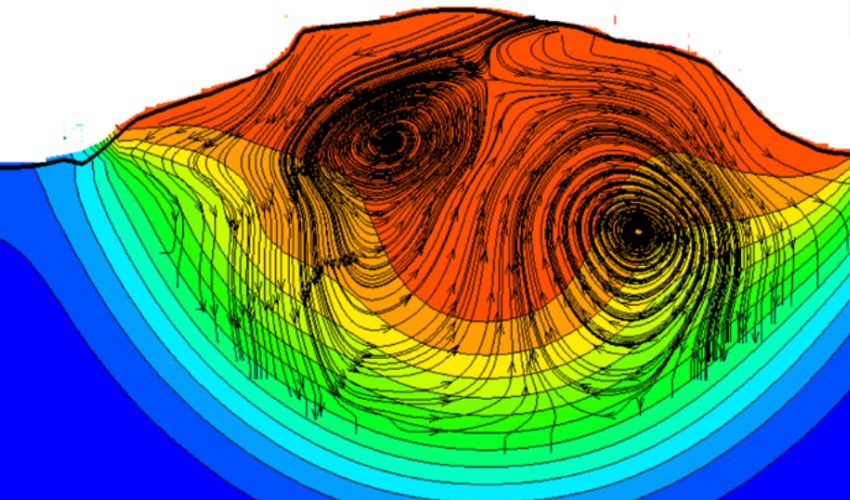 MaterialsNew Study Reveals Cause of the Formation of Bubbles Materials in DED ProcessA 3D printing process that is particularly relevant for the repair or coating of metal objects such as damaged jet aircraft turbine blades is directed energy deposition (DED). It is widely used in sectors such as aerospace, automotive, shipping and…