Materials
Everything You Need to Know About 3D Printing with Nickel Alloys
Nickel alloys have become increasingly important in 3D printing due to their thermal and mechanical strength as well as their resistance to corrosion. These qualities make them an ideal choice for producing high-performance components in industries such as aerospace, automotive,&
- 3 min read
- Materials
- Six more stories
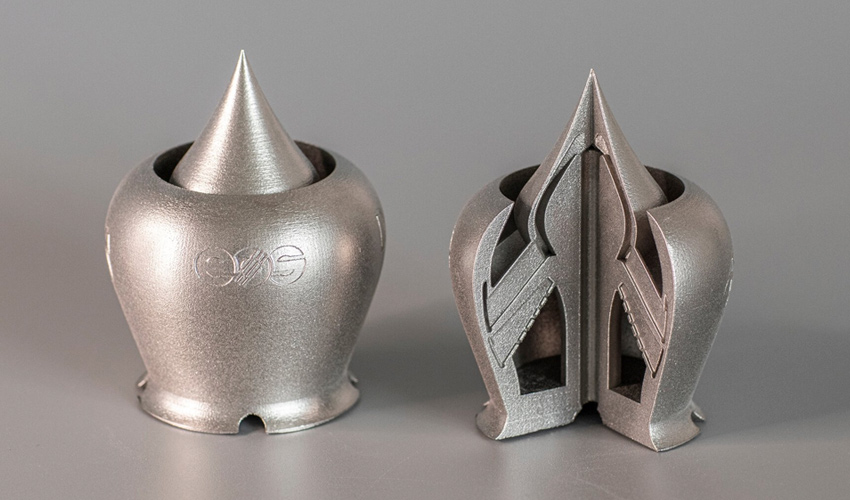
Nickel alloys have become increasingly important in 3D printing due to their thermal and mechanical strength as well as their resistance to corrosion. These qualities make them an ideal choice for producing high-performance components in industries such as aerospace, automotive, medical, and oil and gas. Their ability to withstand extreme conditions, along with their compatibility with additive manufacturing, allows for the creation of complex, highly specialized parts. In this guide, we’ll explore the properties of nickel alloys, their advantages in 3D printing, key applications, and leading manufacturers in the industry.
Material Properties
The nickel alloys used in manufacturing are derived from nickel ore. This material occurs naturally in ores such as pentlandite, limonite, and garnierite, and is extracted through large-scale mining operations. Once mined, the ore undergoes several refining stages to produce high-purity nickel, which serves as the base for creating specific alloys.
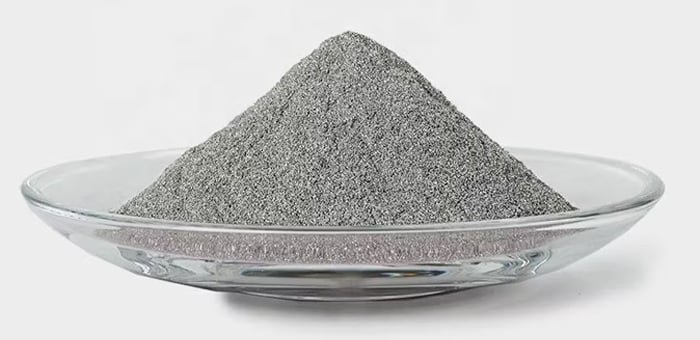
A nickel alloy in powder form. (Credit: Guangzhou Sailong AM Co.)
Some of the most well-known alloys in the industry are named after the companies that patented them. Among the most common are:
More from the desk
Six other notes from the rest of the bench.
 NewsOur Favorite 3D Printing Applications From Formnext 2024!The 2024 edition of Formnext ended a few days ago, and once again this year, after showcasing 3D solutions, innovations from the industry and impressive machines, it was time to leave room for our team’s favorite applications. Amidst hundreds of…
 Applications8 Reasons Why Additive Manufacturing Is Becoming Essential to DefenseDefense organizations are rethinking how they manufacture, maintain and adapt military equipment. Supply chains are under pressure. Operational demands are changing. Additive manufacturing is one of the tools helping them respond. Here are eight reasons why it is becoming essenti
 Applications3D Printable “Skin in a Syringe” for Healing BurnsSkin is the body’s first line of defense against the outside world, and when it suffers severe burns, repairing it can be a matter of life and death. Current treatments often involve transplanting a thin layer of the epidermis, the…
 Materials3D Printing makes Stainless Steel 3X Stronger!When you think of 3D printing, naturally you think of plastics. However, there is a growing trend towards using metals as a 3D printing material. The visibility of 3D printing metal has grown further recently as HP have announced plans…
 PrintersLuyten Plans to Build Structures on the Moon With Its Platypus Galacticus 3D PrinterIt seems lately that the space race has been reignited. In recent years we have seen major moon projects from companies all over the globe — such as the Griffin lunar lander from Agile Space Industries, ICON, which is set…
 ApplicationsSeattle Children’s Hospital Uses Stratasys 3D Printing For Advanced SurgeriesModern medicine regularly relies on the application of the latest technologies. In the past several months alone, 3D printing has helped save lives across the globe via various medical applications. So, it’s not surprising to find that 3D printing is…