Applications
The First Fully 3D Printed Wheelchair for Children
Imagine building a wheelchair using a 3D printer, without needing any tools for assembly. Now, imagine that this wheelchair is not a standard model, but is specially designed for children. MakeGood, a New Orleans-based organization specializing in the design of…
- 3 min read
- Applications
- Six more stories
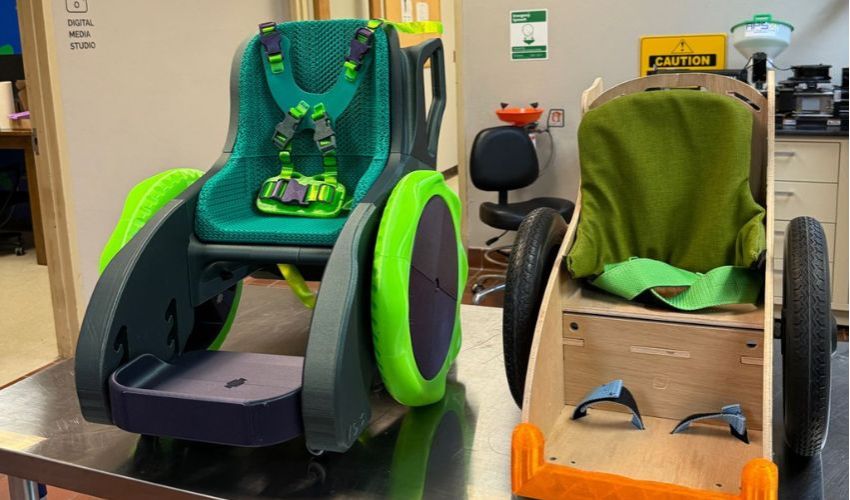
Imagine building a wheelchair using a 3D printer, without needing any tools for assembly. Now, imagine that this wheelchair is not a standard model, but is specially designed for children. MakeGood, a New Orleans-based organization specializing in the design of assistive technologies, has succeeded in creating just that by designing the first-ever fully 3D printed wheelchair for children. The design is a prototype now, but once available, this wheelchair will enable children to move around independently from an early age.
The wheelchair is aimed at children aged 2 to 8, and it was designed with accessibility in mind. Remarkably, anyone with a 3D printer can build one. All the parts were printed with a Bambu Lab A1, and assembly requires no tools, screws or glue. Instead, the pieces fit together like a jigsaw puzzle. The development of the chair has been documented and shared on social networks by the project members, who have just unveiled this first version. It will continue to evolve, with the aim of offering children with motor disabilities an adaptive and effective solution.
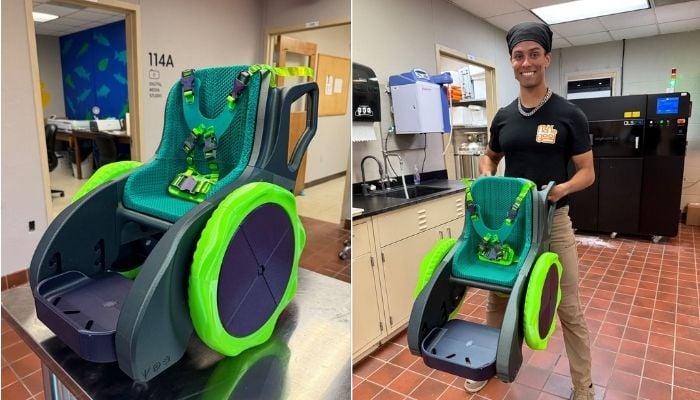
The 3D-printed children’s wheelchair will enable kids to move around independently.
The wheelchair was designed in PETG, a material known for its impact resistance. Every component—from the frame to the wheels, tires, seat and even the safety straps—has been entirely 3D printed. The eye is drawn to the seat, adorned with a lattice pattern that offers both comfort and support, perfectly suited to the needs of children. The footrest, meanwhile, is adjustable to suit the child’s growth. At the rear, a compartment has been integrated to store personal items or medical equipment, such as a portable ventilator. The wheels are oblong (longer than they are wide) and are designed to be easier for young users to handle. Lastly, the chair is a modular system, meaning that in the event of breakage, only the damaged part needs to be reprinted. This feature greatly simplifies maintenance.
More from the desk
Six other notes from the rest of the bench.
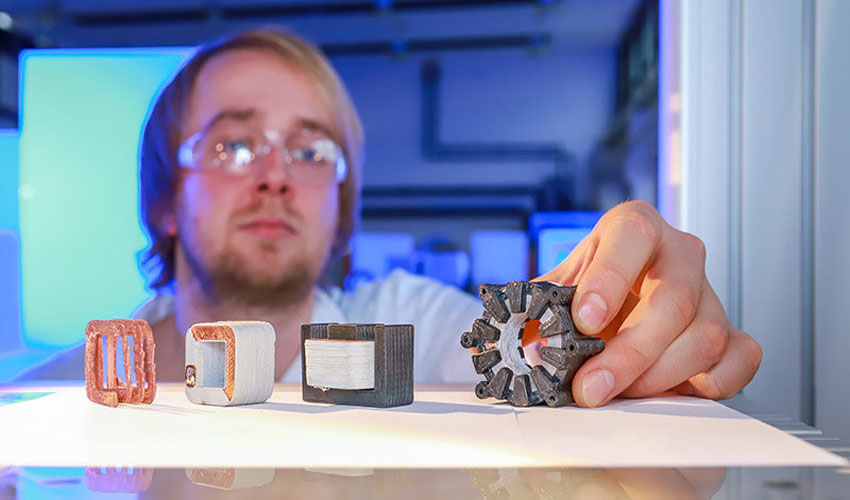 NewsResearchers 3D print multi-material electric motorAfter two years of research, electrical engineers from the Chemnitz University of Technology have succeeded in designing a functional electric motor using additive manufacturing from iron, copper, and ceramics. A multi-material engine that illustrates the full potential of 3D pri
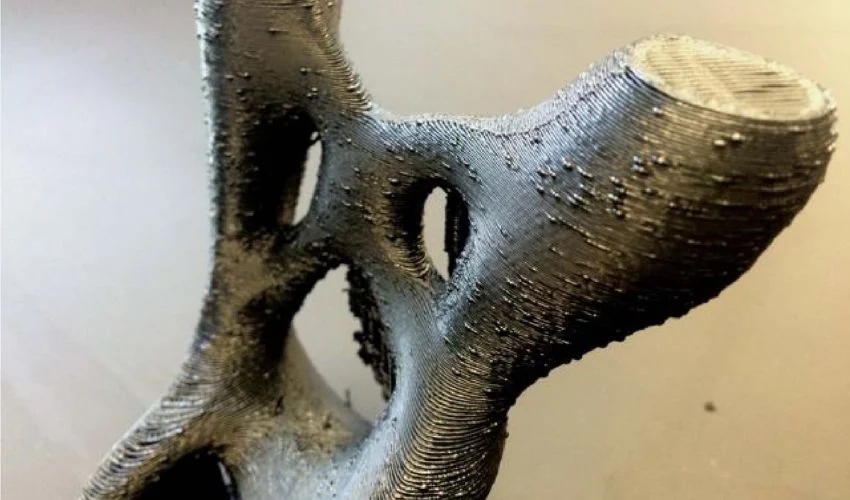 PrintersHow to Avoid Blobs in 3D Printing?3D printing, like any manufacturing process, has its advantages and disadvantages, and comes with its own set of constraints. Indeed, it’s not uncommon to encounter problems and obstacles when creating parts and structures of varying complexity. Examples include over-extrus
 MaterialsScientists Succeed in Making PLA Material More DegradableAccording to a press release, researchers at the University of Bath have succeeded in making PLA even more degradable. Essentially, they have found that by incorporating sugar units into the polymers, they can be degraded more easily when exposed to…
 ApplicationsMcLaren Adopts Divergent’s DAPS for Enhanced Supercar PerformanceFollowing its increased adoption of 3D printing, which has almost entirely replaced the company’s traditional methods for prototype manufacturing since April, McLaren Automotive has announced a multi-year collaboration with Divergent Technologies, a California-based leader in ind
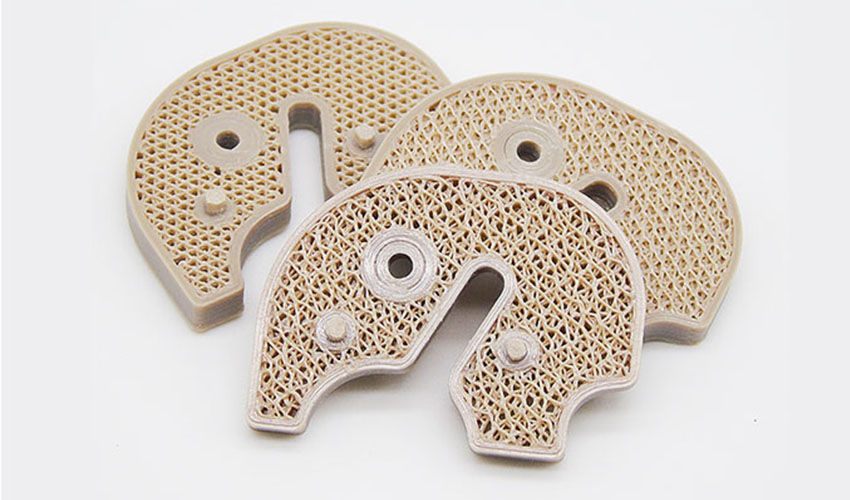 Guides3D printed porous scaffold structures can promote bone growth in patientsThe startup FossiLabs, based in the U.S., develops FDM 3D printers capable of producing medical implants made from PEEK. These high-performance implants resemble bone-like structures and can promote bone growth in patients with musculoskeletal disorders. Combining the properties
 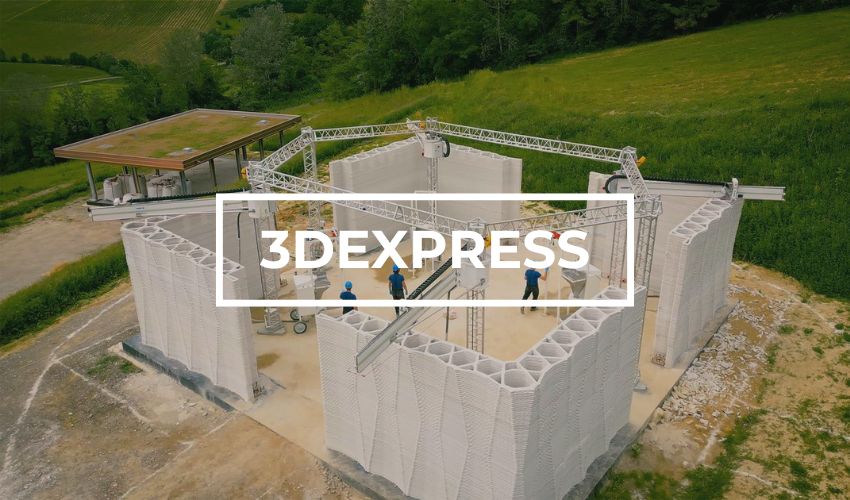 News3DExpress: A Self-Regulating 3D Printed House Is Going Up in ItalyThis week’s 3DExpress kicks off in Italy, where WASP has completed the 3D-printed walls of Itaca: a self-sufficient farm and living model built around a circular micro-economy. We then turn to VulcanForms, which has raised $220 million to scale its…