Printers
How to Avoid Blobs in 3D Printing?
3D printing, like any manufacturing process, has its advantages and disadvantages, and comes with its own set of constraints. Indeed, it’s not uncommon to encounter problems and obstacles when creating parts and structures of varying complexity. Examples include over-extrus
- 3 min read
- Printers
- Six more stories
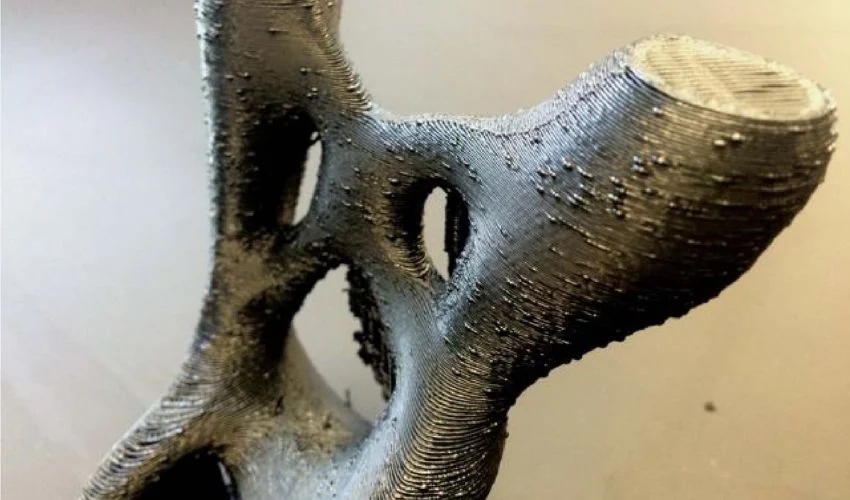
3D printing, like any manufacturing process, has its advantages and disadvantages, and comes with its own set of constraints. Indeed, it’s not uncommon to encounter problems and obstacles when creating parts and structures of varying complexity. Examples include over-extrusion, warping and elephant’s foot. This time, we’d like to talk to you about the phenomenon of blobs and zits (generally smaller), which can appear on parts made using 3D printing. These are small spots or droplets of filament that can be seen on the surface of parts produced with FDM/FFF. They usually appear where the extruder has started to remove material and return after printing. Over time, this becomes visible as a defect on the surface of the part.
There are many reasons why blobs and zits appear during FDM 3D printing, for example shrinkage. During retraction, a small amount of filament is drawn back into the nozzle to avoid any subsequent problems with the filament. However, if too little or too much filament is shrunk, or if shrinking is too slow or too frequent, these defects can occur.
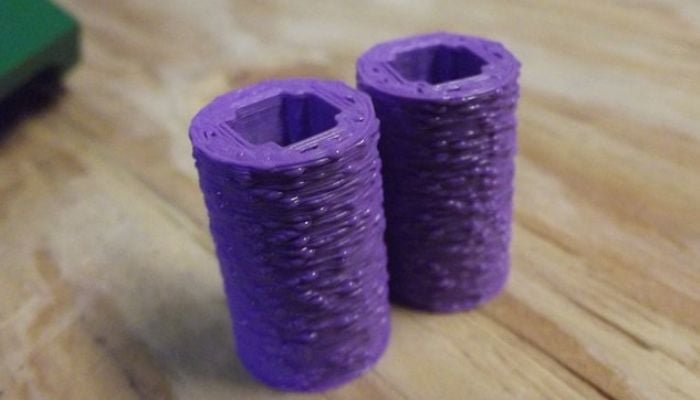
Blobs and zits appear as small droplets of filament on the surface of 3D-printed parts (photo credits: Chris Cecil).
The temperature and speed of the nozzle can also contribute to the formation of blobs. Too high a temperature increases the viscosity of the material and can cause large quantities of filament to exit the nozzle uncontrollably. A print speed that is too high or changes frequently can also lead to a reduction in surface quality. Finally, insufficient cooling of the various layers of material can also be at the root of these imperfections, as the material can slip and cause irregularities. Now that we know the causes, let’s look at possible solutions to this problem.
More from the desk
Six other notes from the rest of the bench.
 NewsBQ and 3D printing bringing blind people closer to cultural heritage3D printing technologies have revolutionised many sectors, and opened many doors to help integrate people with disabilities. A few weeks ago, researcher Néstor F. Marqués, with the help of the company BQ and 3D printing, managed to recreate some historical…
 NewsFormlabs’ Latest Report Shows Increasing Adoption of Additive ManufacturingFormlabs recently released its first-ever study, the aptly-named “2022 3D Printing Application Report.” The market research was conducted by the company in conjunction with Industry Week and Machine Design in November 2021 and received more than 400 responses. The rep
 Materials#3DStartup: Kupros’ Cu29: A Conductive Copper Filament for FDM Electronics an Expert Said Would “Never Be 3D Printed”When Ian Ramsdell, founder of Kupros, started asking electronics specialists about 3D printing copper, he faced plenty of skepticism. One expert, in Ramsdell’s recollection, insisted it could not be done and never would be: “Copper can’t be 3D printed, it’ll…
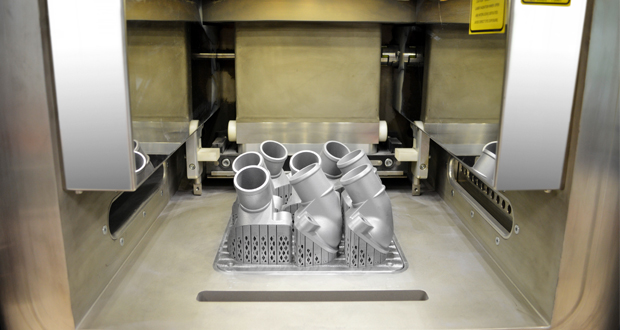 ApplicationsMercedes-Benz 3D prints their first metal part for trucksRecently, another milestone has been achieved in additive manufacturing, as the Stuttgart-based car manufacturer, Mercedes Benz, becomes the first company to rely on 3D printing to create metal spare parts for their trucks. Following a lengthy quality assurance process, the&helli
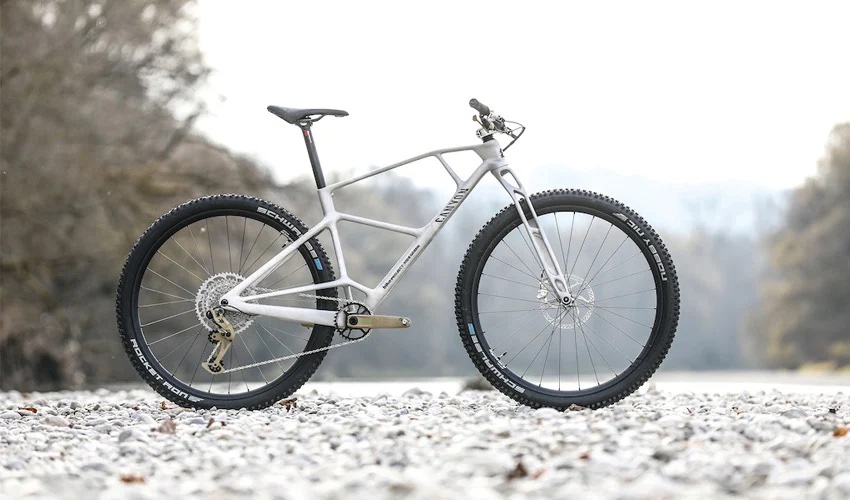 NewsCanyon Has Developed a More Sustainable Bike Using 3D PrintingDuring the London Bike Show, which took place from April 21st to 23rd, the company Canyon presented its 3D printed bicycle prototype for the first time. To be more specific, the frame was created using a laser powder bed fusion…
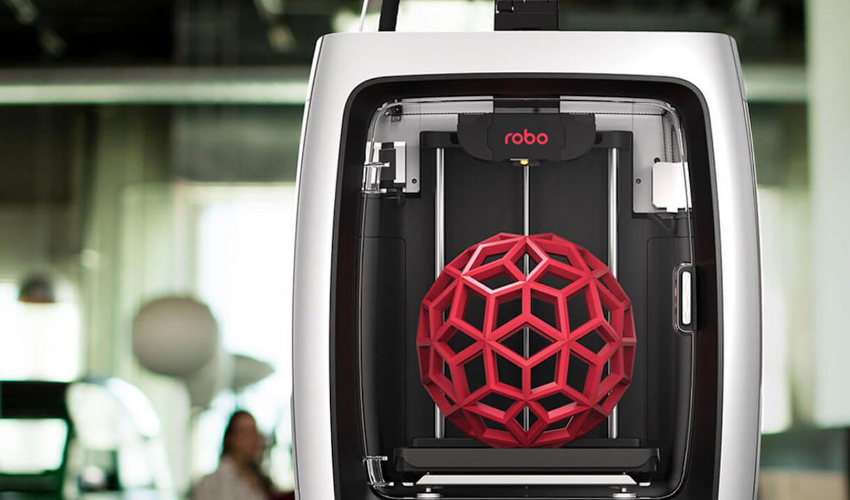 PrintersLab 3Dnatives: Robo R2 3D Printer TestThough not as well known in the European market, American manufacturer Robo 3D have been making much noise as of late. As well as releasing their Robo C2 model, they have also released their higher end FDM 3D printer, the…