Materials
Scientists Succeed in Making PLA Material More Degradable
According to a press release, researchers at the University of Bath have succeeded in making PLA even more degradable. Essentially, they have found that by incorporating sugar units into the polymers, they can be degraded more easily when exposed to…
- 3 min read
- Materials
- Six more stories
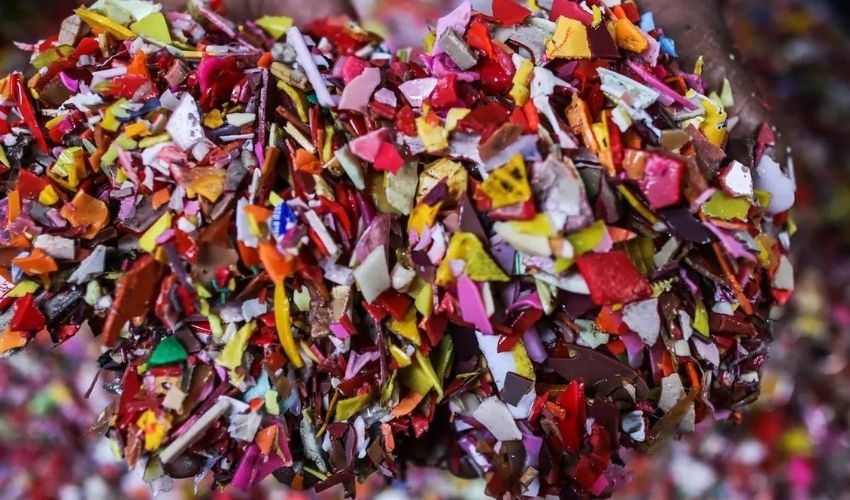
According to a press release, researchers at the University of Bath have succeeded in making PLA even more degradable. Essentially, they have found that by incorporating sugar units into the polymers, they can be degraded more easily when exposed to UV light. The project comes as increasingly companies are working on making plastics more recyclable or degradable to reduce waste globally, a topic which has also been popular within the 3D printing community in recent years.
You have almost certainly have already heard of PLA or polylactic acid. It is a material produced using lactic acid from the fermentation of sugar. Due to its natural roots, it is often touted as the renewable, more sustainable alternative to plastics made from crude oil products, and its range of applications is very diverse, especially when it comes to 3D printing. However, the material is often mislabeled as biodegradable. In fact, this is only partially true. While it can degrade in industrial composting conditions with high temperatures and humidity, it has limited degradation in natural environments, such as soil or seawater. Royal University Society research fellow and polymer chemistry lecturer Dr. Antoine Buchard commented on this noting, “Lots of plastics are labelled as biodegradable, but unfortunately this is only true if you dispose of it in an industrial waste composter – if put into domestic compost heaps, it can last for years.”

The University of Bath hopes the project will make plastics more degradable at the end of their life (photo credits: oilslo)
What is different about the newly developed material?
However, now there seems to be a solution. Scientists at the Center for Sustainable and Circular Technologies (CSCT) at the University of Bath have now found a way to make PLA material degradable even under natural conditions. This is achieved by incorporating different amounts of sugar molecules into the polymer. Commenting on the process, Antoine Buchard noted that the addition of sugar breaks the plastic into smaller polymer chains which are more sensitive to hydrolysis. This in turn will make PLA more biodegradable in nature such as in the ocean or a regular garden compost heap.
More from the desk
Six other notes from the rest of the bench.
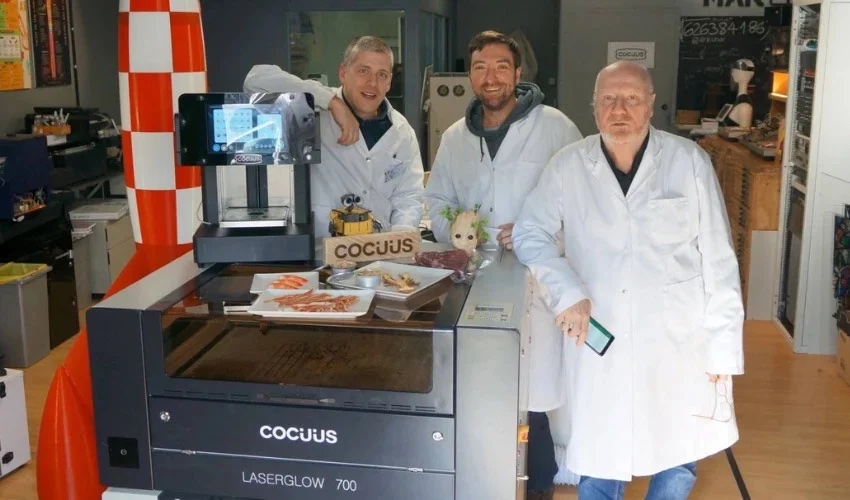 NewsSustainable and Nutritious 3D-Printed Foods Made by Cargill and CocuusHave you ever eaten any kind of 3D printed food or at least thought about trying it? Nowadays, it seems like anything is possible with the help of additive manufacturing, and more and more industries are turning to it. According…
 News10 Reasons to Adopt 3D PrintingToday, many companies in the manufacturing industry still use traditional production methods. That being said, what is known as the fourth industrial revolution is becoming more and more of a reality, leading to the adoption of new methods of creation…
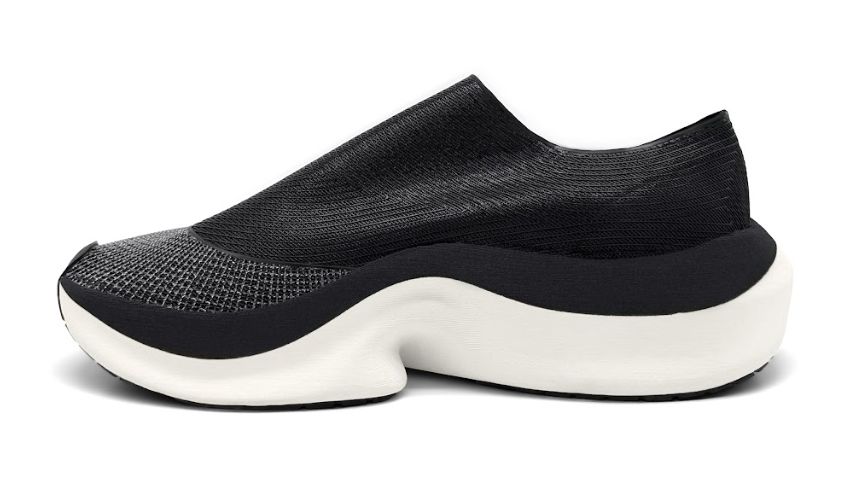 NewsWhale-Inspired 3D Printed Shoe Released by Elastium x LaLaLand3D printed shoes have been circulating in the footwear market for years. From high fashion shoes to running sneakers, we’ve seen many brands, including adidas, Dior, and ASICS, use 3D printing to create innovative products. LaLaLand Production and Design, California’s…
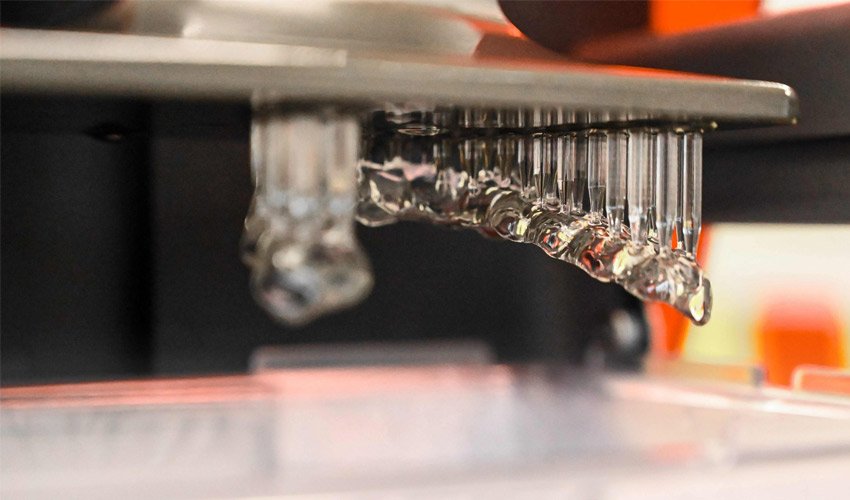 PrintersA New Resin 3D Printer Combines a CT Scanner and Light to Increase its SpeedAt the Technical University of Denmark (DTU), a team of researchers have developed a new kind of 3D printer whose technology combines a CT scanner and light. By reversing the principle of CT scanning, they could create all types of…
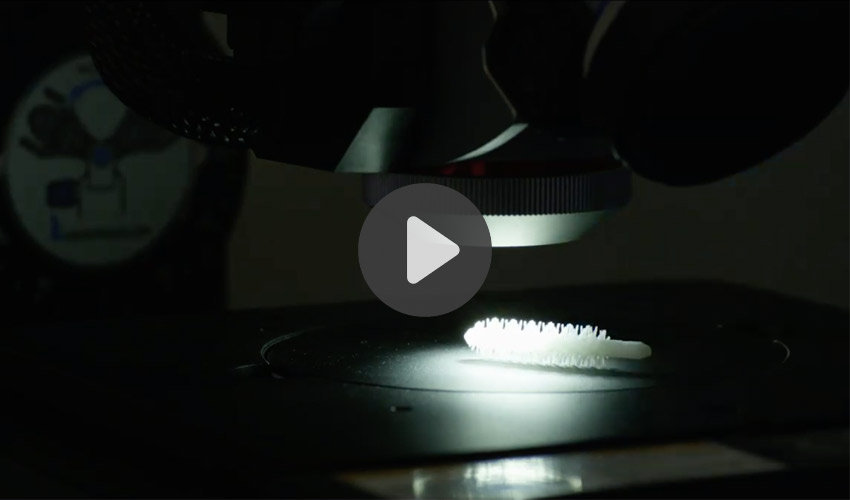 NewsTop 5 Videos of the Week: the 3D printing trends for 2020 and much more!This week we found the top 5 videos about 3D printing and the way additive manufacturing is shaping our society. The technology has infiltrated many sectors, from medical to automotive! Check out our selection of the week to keep up with the innovations! This week we…
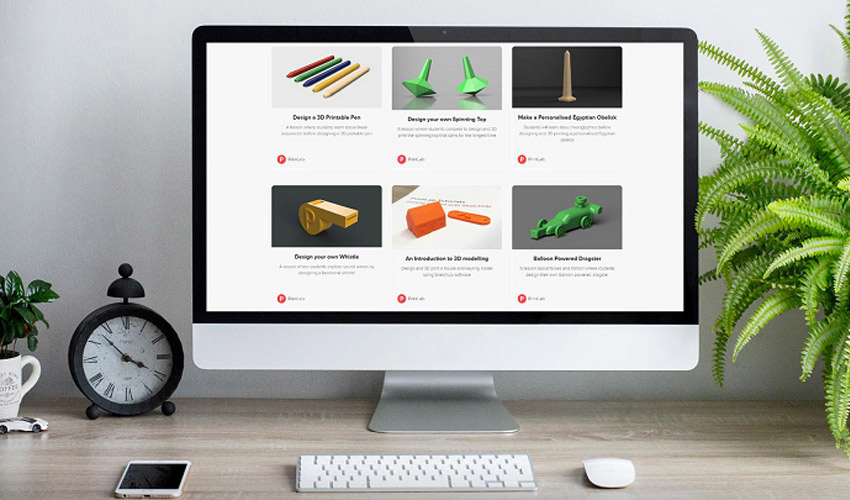 NewsPrintLab, a platform to introduce teachers and students to 3D printingLearning the basics of 3D printing is gradually starting to take place in schools, even more so in universities where students are learning in greater depth how to apply the technology. It must be said that qualified people in additive…