News
3DExpress: A Self-Regulating 3D Printed House Is Going Up in Italy
This week’s 3DExpress kicks off in Italy, where WASP has completed the 3D-printed walls of Itaca: a self-sufficient farm and living model built around a circular micro-economy. We then turn to VulcanForms, which has raised $220 million to scale its…
- 3 min read
- News
- Six more stories
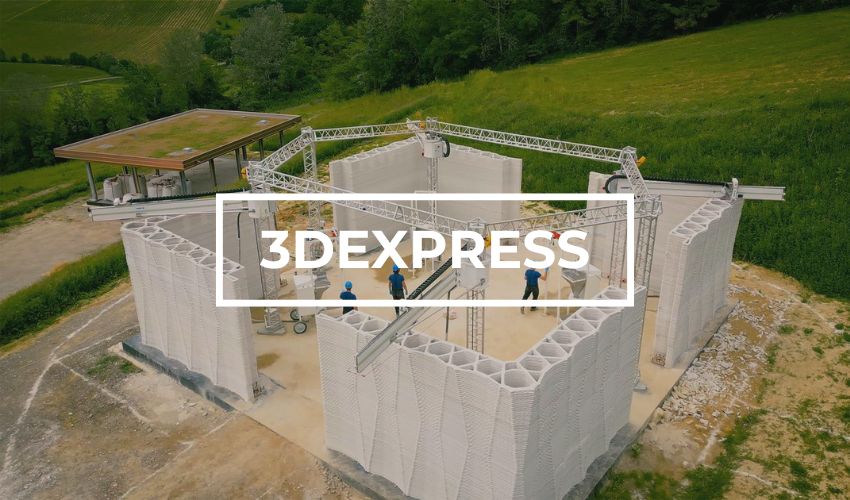
This week’s 3DExpress kicks off in Italy, where WASP has completed the 3D-printed walls of Itaca: a self-sufficient farm and living model built around a circular micro-economy. We then turn to VulcanForms, which has raised $220 million to scale its digital metal manufacturing platform. From there, we spotlight Sabrina Carpenter’s 3D-printed microphone used during her Grammy performance, before wrapping up with Formnext’s announcement of its partner country for 2026. As always, happy reading!
3D Printed Self-Sufficient House in Italy
In 2022, WASP announced the launch of the Itaca project: an open-air laboratory for sustainable living in the hills of Northern Italy. Now, they’ve shared that the walls of Itaca have been successfully 3D printed. The project consists of a self-sufficient farm and living model based on a circular micro-economy, designed to be easily replicated worldwide while meeting the same regulatory standards as traditional buildings. This setup uses four robotic arms anchored to a hexagonal structure to print four wall sections simultaneously, allowing the 164.9 m² structural shell to be completed in as little as a couple of days. Notably, the build process introduces a high level of workflow efficiency by embedding radiant heating, ventilation, and electrical systems directly into the walls during the printing phase, which eliminates complex post-construction retrofitting and enables the building to actively regulate air quality and temperature.
The project is also impressive for achieving a negative CO₂ emissions balance by using a lime-based mixture combined with agricultural waste instead of concrete. To maximize thermal efficiency and carbon sequestration, the walls were packed with rice husks byproduct, mixed with natural lime powder. This filler acts as internal insulation, transforming the structure into a passive energy house that self-regulates temperature.
More from the desk
Six other notes from the rest of the bench.
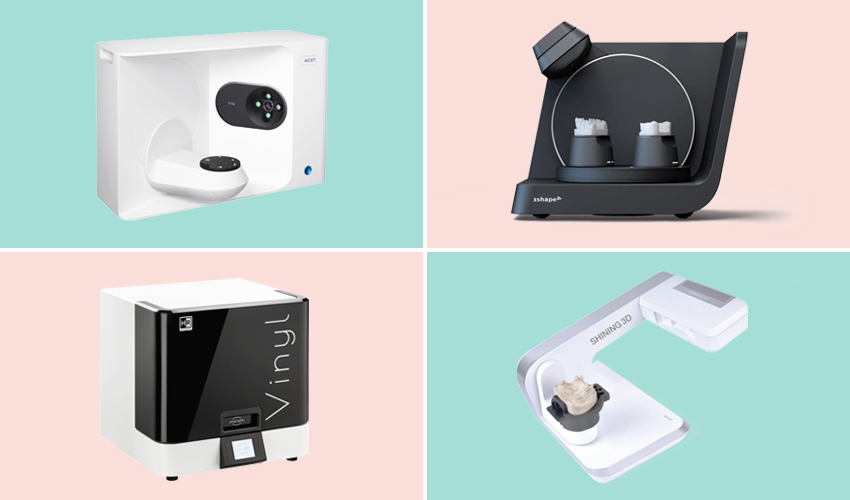 GuidesThe Top Dental Lab 3D Scanners on the MarketThe ability of 3D printing to allow users to create highly accurate, fully customizable appliances is crucial in a sector like dental where perfectly fitted parts are necessary due to the vast differences between individuals. For this reason, 3D scanners…
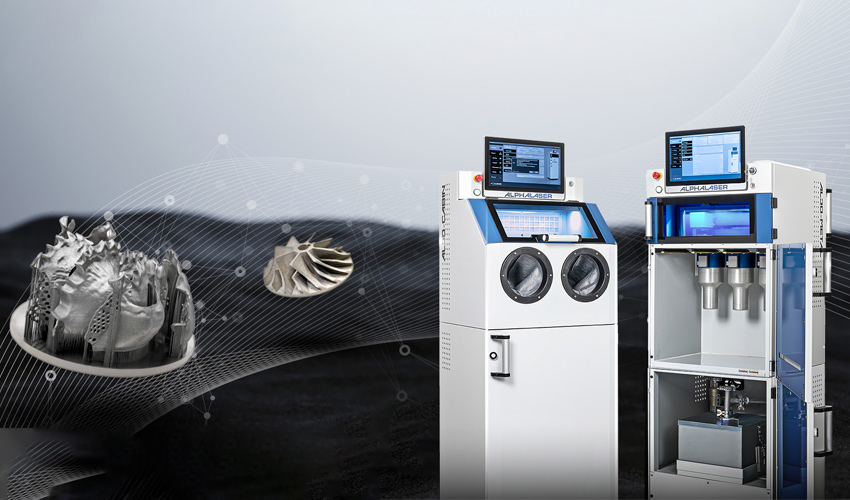 PrintersAL3D-Power Trio: ALPHA LASER Combines Safety, Resource- and Cost-Efficiency in One Metal 3D Printing System“How can we provide our customers with the best possible support for their tasks with a new machine?” – This question is at the beginning of all product development at ALPHA LASER GmbH. The company has set itself forth as…
 ApplicationsBIO INX Is Our Startup of the Year 20232024 is just beginning and already we cannot wait to see what this year has in store in terms of developments and new products in the additive manufacturing market. Startup in particular are working hard to expand the capabilities of…
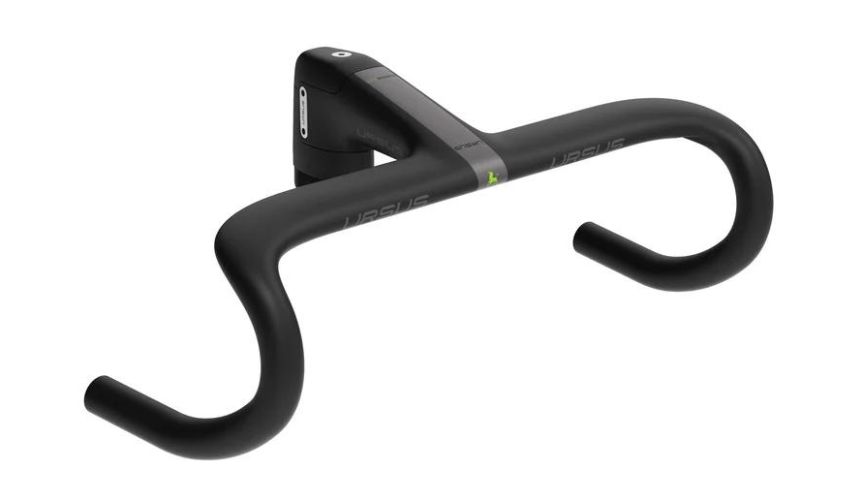 NewsWeerg and Ursus Worked Together to Make a Custom Handlebar With Additive Manufacturing3D printing is becoming increasingly popular in all industries where customization, design and performance meet. The ability to create complex structures as well as to use 3D printing for rapid prototyping and thus to test materials and properties quickly and…
 SoftwareShapeshift 3D on developing AM software for mass customizationShapeshift 3D develops software to streamline and digitize the production process from 3D scanning to 3D printing of customized wearables. One of the main benefits of additive manufacturing is that it enables a great degree of design freedom, meaning that…
 NewsTop 5 Videos of the Week: 3D printing parts for a racecar steering wheelThis week we found the top 5 videos about 3D printing and the way additive manufacturing is shaping our society. The technology has infiltrated many sectors, from medical to automotive! Check out our selection of the week to keep up with the innovations! This week we…