Guides
How 3D-Printed Film Could Push the Limits of FDM
What started as a way to create small rewards for students has evolved into a research project pushing the boundaries of FDM 3D printing. At FILDZ Research, experimentation is at the core of the process. By rethinking design and toolpaths,…
- 3 min read
- Guides
- Six more stories
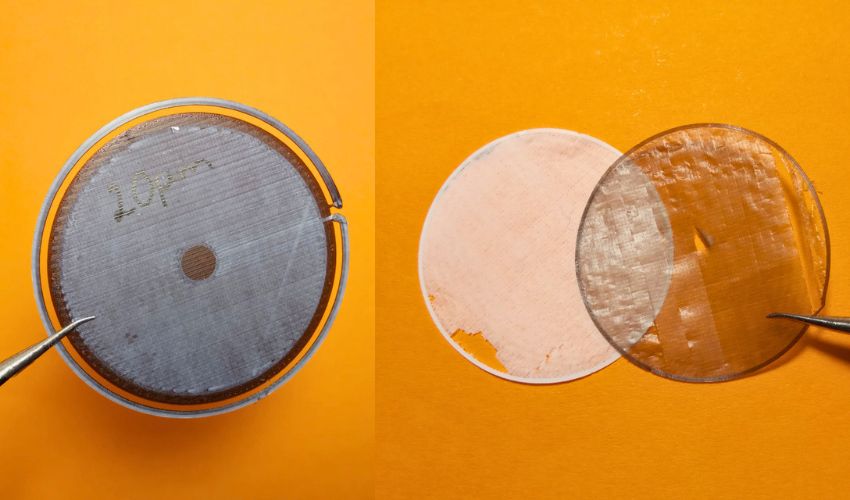
What started as a way to create small rewards for students has evolved into a research project pushing the boundaries of FDM 3D printing. At FILDZ Research, experimentation is at the core of the process. By rethinking design and toolpaths, the team is uncovering new behaviors in filament, from ultra-thin 3D-printed film to flexible, textile-like structures.
To understand how these ideas emerged and where they could lead, we spoke with Edgaras Janušauskas, founder of FILDZ Research, about his journey, his approach to open experimentation and why he believes FDM still holds untapped potential.
3DN: Could you briefly introduce yourself and explain how you got into 3D printing?
I’m Edgaras Janušauskas, and my path into 3D printing began through education. Early in my career, I worked as a teacher, helping students explore programming, electronics and engineering. Technology evolves quickly, and I often found myself learning alongside my students. That experience made me comfortable with experimentation and trial and error.
More from the desk
Six other notes from the rest of the bench.
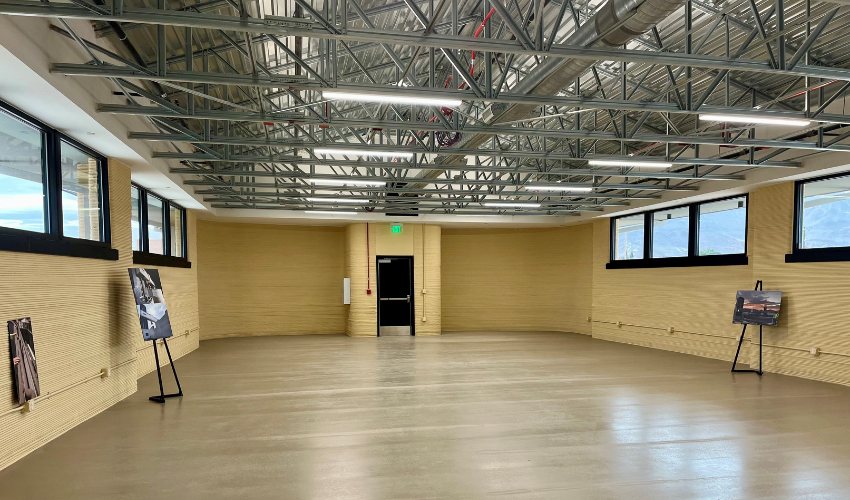 ApplicationsUS Army Revolutionizes Military Infrastructure With 3D Printed BarracksThe Fort Bliss Army base in El Paso, Texas is at the forefront of a pioneering initiative aimed at revolutionizing military infrastructure through innovative 3D printing technology. Led by Army Sgt. Maj. Michael Perry, the installation is set to introduce…
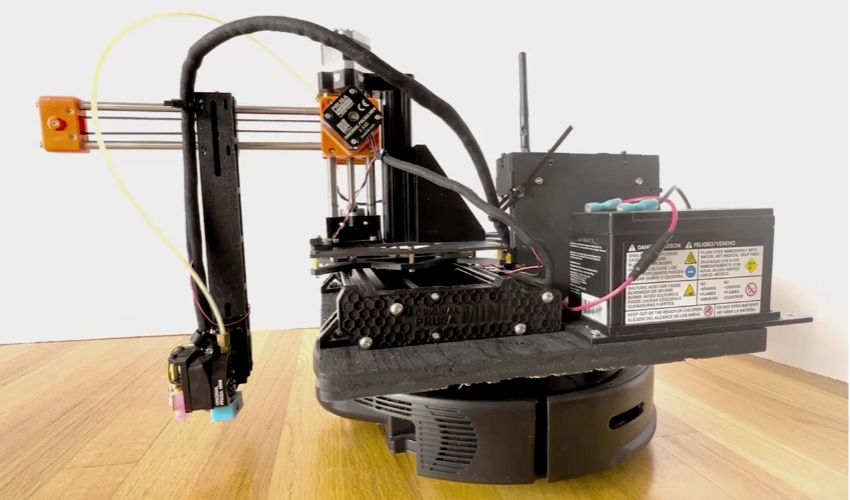 PrintersMobiPrint: The Autonomous 3D Printer That Could Revolutionize AccessibilityAll 3D printers, despite the diversity of technology, must be anchored in one place to print. They can, of course, be transported from place to place, but always by humans: none of them have a mechanism that allows them to…
 NewsScan the World Calls to Immortalize Cultural Heritage After Easter Island FireLast week, a fire on Rapa Nui, colloquially often referred to as Easter Island in English, damaged many of the more than 1000 Moai statues located there. The damage was extensive and cannot be undone, with more than 100 hectares…
 NewsRheology: Why It Matters in 3D Printing with PolymersThe concept of rheology refers to a branch of physics that studies fluids. Specifically, it examines how materials behave when they flow or deform, meaning how they respond to an applied force or stress. Although rheology applies to a wide…
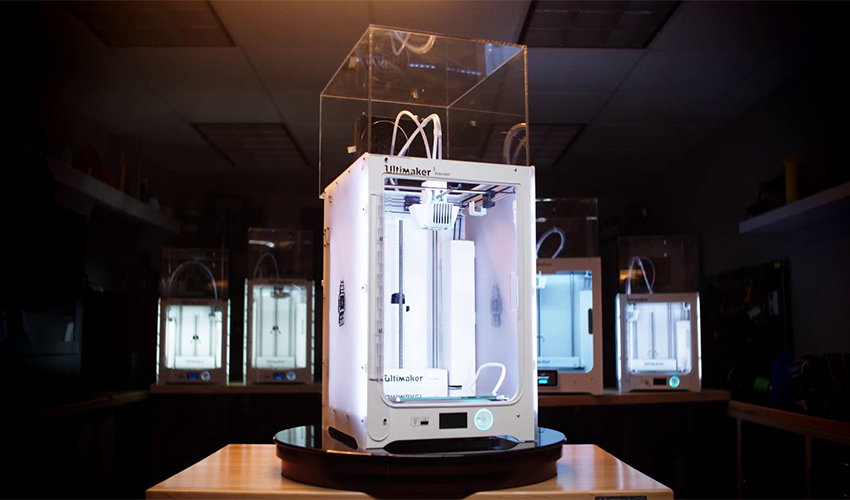 NewsUltimaker safety enclosure and filtration by Ultimate 3D Printing StoreThe Ultimate 3D printing Store, is an E-commerce business located in Tampa Bay. The company is dedicated to 3D printing and bringing it to homes, schools and businesses around North America. They recently unveiled their 3Domus (3DFS): a safety enclosure…
 NewsLiquid Additive Manufacturing: A New Process for 3D Printing Silicone Seals and MoreSeals play a vital role in many fields. Notably, seals are used to prevent or reduce the leakage or ingress of liquids, gases or solid substances such as dust. To be effective, they need to be plastic and elastically malleable,…