Applications
Singaporean Student Gets 3D Printed Finger Following Bike Accident
Russel Ko, an engineering student at the Republic Polytechnic College in Woodlands, Singapore, sustained a severe injury after crashing his friend’s motorcycle in October last year. Upon impact, Mr Ko’s left hand got trapped in the wheel, severing both his…
- 3 min read
- Applications
- Six more stories
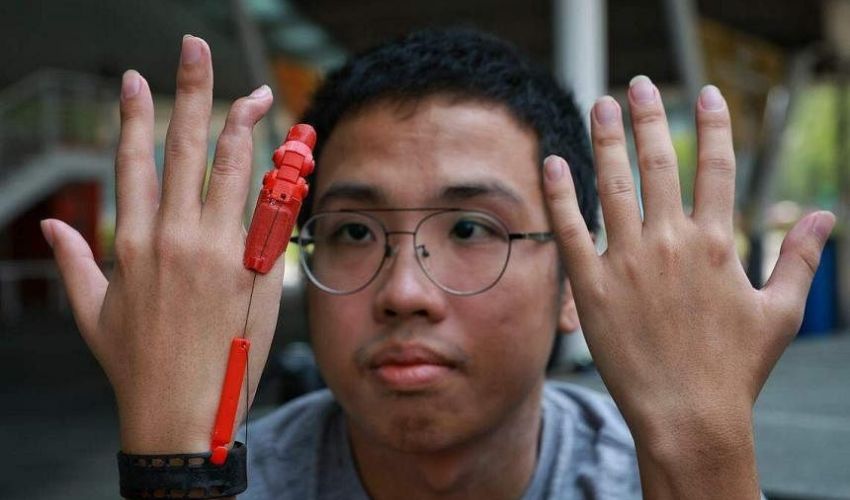
Russel Ko, an engineering student at the Republic Polytechnic College in Woodlands, Singapore, sustained a severe injury after crashing his friend’s motorcycle in October last year. Upon impact, Mr Ko’s left hand got trapped in the wheel, severing both his pinky and ring fingers. Doctors at the Tan Tock Seng Hospital (TTSH), where Mr Ko was treated following the accident, attempted to reattach the fingers retrieved by his friend but could only save the one ring finger. Thankfully, Mr Ko qualified for a pilot study provided by the hospital on functional finger prosthetics made using 3D printing. The project was part of a media display of the hospital’s Medical 3D Printing Center’s capabilities.
In the US alone, roughly 45,000 finger amputations occur yearly from traffic and industrial-related accidents. Dr. Bernice Heng, who works with TTSH’s hand and reconstructive microsurgery department, says their hospital alone receives at least 20-30 patients a year with finger amputations. In the traditional treatment method, patients are typically given the option of a cosmetic finger prosthesis, which imitates a real finger but is not functional. However, the Medical 3D printing Center’s 3D printed version has movable joints, allowing the patient to perform with near normal function. In addition to customization and flexibility, 3D printed prosthetics are a cost-effective option.
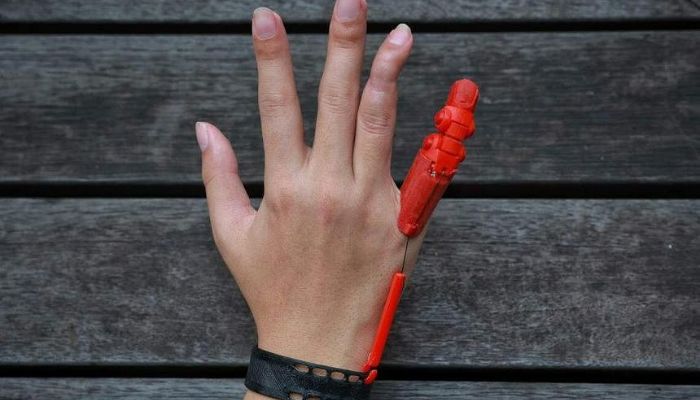
A cheaper 3D printed finger prosthesis alternative (Photo credits: Kevin Lim)
In this case, a cosmetic prosthesis costs several thousand more than its 3D printed counterpart, which can be made for only a few hundred dollars. Dr. Heng describes the 3D printed finger prosthesis as “lightweight and functional“, with patients taking to them better than larger, myoelectric prostheses, which use muscle activity to power movement and are generally not well-liked by patients. Mr. Ko looks forward to his custom-tailored prosthetic, which the center is currently developing. “I am definitely looking forward to receiving my pinky. There are some difficulties in daily activities like opening a bottle… or carrying heavy stuff. As an engineering student, I also have to use some tools to do work. Without the pinky, my hand is less stable,” he said.
More from the desk
Six other notes from the rest of the bench.
 NewsTCT 3sixty 2021: A Round-Up of the News from the EventSlowly but surely, additive manufacturing events are starting to start back up after more than a year of inactivity due to the health crisis. Last week yet another popular event took place in person, on the heels of its sibling…
 MaterialsNASA’s 3D Printed GRX-810 Superalloy Could Make Stronger Parts for Airplanes and SpacecraftA year ago, NASA unveiled a new alloy that it claimed was more resistant and durable, potentially making it perfect for demanding aerospace applications. Called GRX-810, it was created through 3D printing and oxide dispersion, which would significantly improve its…
 NewsReviving Heritage: Blending Tradition and 3D Printing for Adaptive ArchitectureIn a fascinating and seamless blend of tradition, modernity, and innovation, professors John Lin and Lidia Ratoi from the University of Hong Kong have breathed new life into an abandoned wooden house in China. Through the integration of 3D printed…
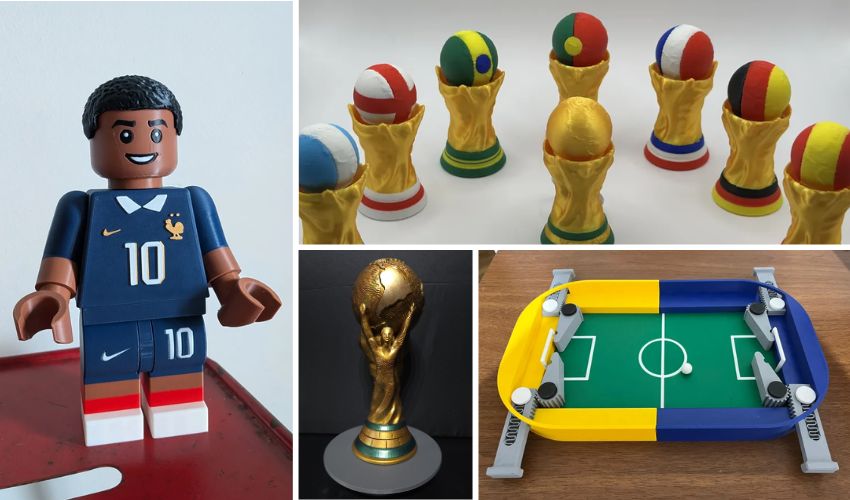 NewsThe Best 3D Prints to Celebrate the 2026 World CupThe wait is officially over: the World Cup kicks off today! As the world’s biggest football tournament gets underway, it’s time to bring that electric stadium energy into your home and show off your team pride like a true maker. We’ve…
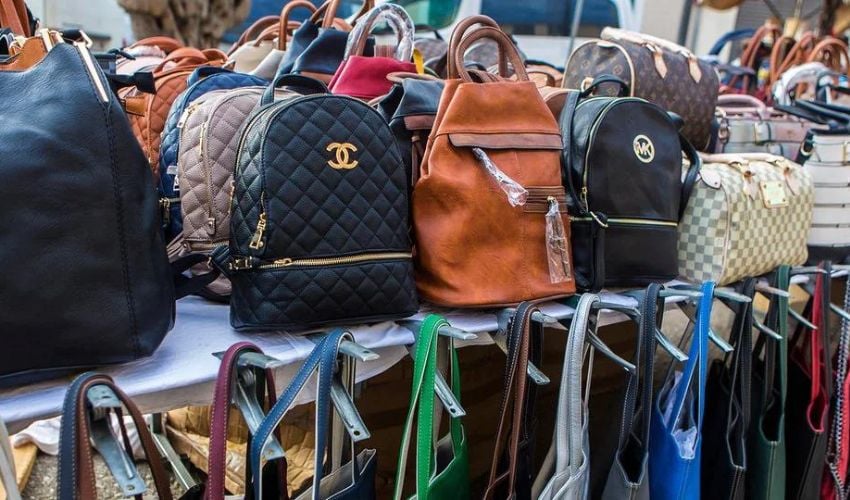 NewsHow Can 3D Printing Help in the Fight Against Counterfeit Goods?Over the years, the trade in counterfeit goods, mostly of luxury brands, has spread rapidly all over the world. Data from the OECD in 2019 already showed that the trade in fake goods amounted to about 3.3% of all world…
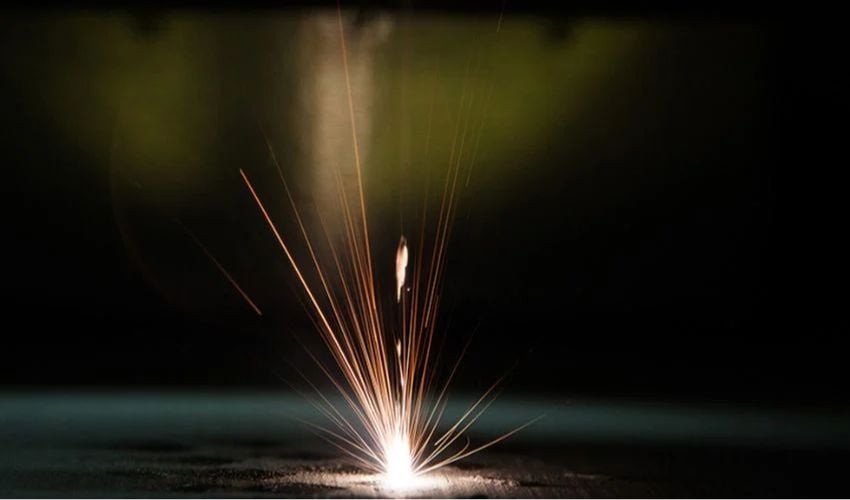 NewsHow Can We Make Metal 3D Printing More Reliable and Encourage Its Adoption?One of the most persistent challenges in additive manufacturing is undoubtedly process reliability. How can we guarantee that 3D-printed parts will meet the desired requirements? Will they withstand the effects of time? Can we successfully reproduce the same conditions for&hellip