News
Reviving Heritage: Blending Tradition and 3D Printing for Adaptive Architecture
In a fascinating and seamless blend of tradition, modernity, and innovation, professors John Lin and Lidia Ratoi from the University of Hong Kong have breathed new life into an abandoned wooden house in China. Through the integration of 3D printed…
- 3 min read
- News
- Six more stories

In a fascinating and seamless blend of tradition, modernity, and innovation, professors John Lin and Lidia Ratoi from the University of Hong Kong have breathed new life into an abandoned wooden house in China. Through the integration of 3D printed walls, this groundbreaking project, aptly named the Traditional House of the Future, showcases the potential of combining ancient architectural heritage with modern technology. By repurposing dilapidated wooden houses, the team aims to revitalize the rural landscape and address the changing lifestyle needs of local communities.
As part of a government initiative to renovate old wooden houses in Nanlong Village, southwest China, Lin and Ratoi embarked on a transformative journey. The process began with scanning the original house, meticulously documenting its structure, and then dismantling it. With the support of 3D printed walls, the house was expanded and reimagined, preserving its historic essence while incorporating contemporary functionality.
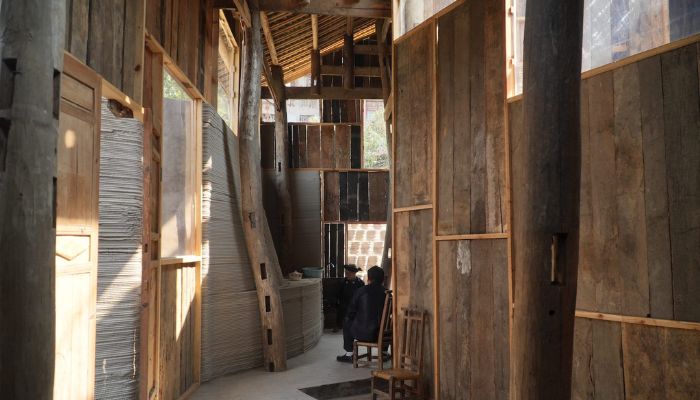
The 3D-printed walls of the house can be reconfigured to accommodate additional functions
The integration of 3D printed walls allowed for the expansion of the original house, creating additional living spaces that addressed the lack of flexibility found in traditional rural Chinese homes. Dividing walls were strategically added to create an entrance courtyard, kitchen, and bathrooms, enhancing the overall functionality and adaptability of the space. This reconfiguration demonstrates how innovative design and technology can revitalize traditional architecture to meet modern needs.
More from the desk
Six other notes from the rest of the bench.
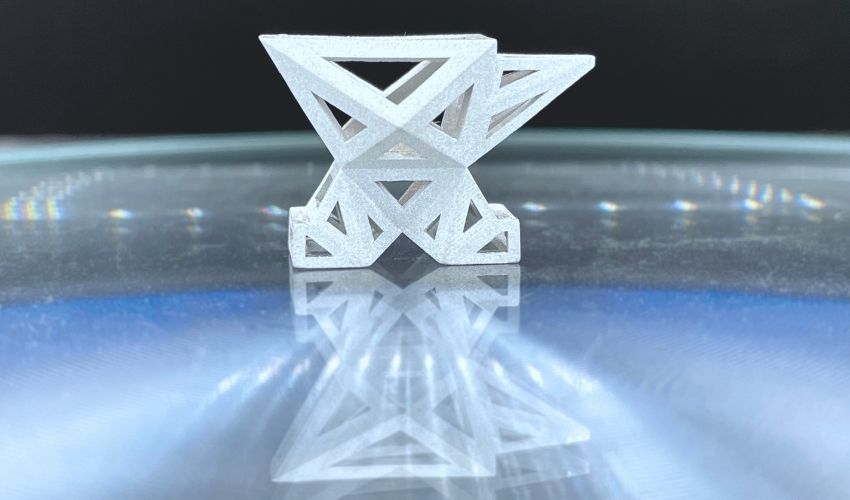 ApplicationsIncus Partners with the European Space Agency to Test 3D Printing in Micro-GravityIncus, an Austrian provider for lithography-based AM solutions has announced a partnership with the European Space Agency (ESA), OHB System AG and Lithoz GmbH in a joint project using Incus’ Lithography-based Metal Manufacturing (LMM) process. The project will test 3D&helli
 NewsTop 5 Videos: 3D Printed Telescopes Transform Stargazing ExperiencesWelcome to our compilation of this week’s top 3D printing videos. This week, we commence with an inventive project by Ten Telescopes, aiming to make stargazing in Ontario more accessible through intricately crafted 3D printed telescopes. Moving forward, we explore…
 News3D Printed Beets: A New Tool for Plant PhenotypingTechnology in the agricultural industry is continually advancing. In recent years, the adoption of tools such as drones, agrarian robots, scanners, precision planters, and artificial intelligence has significantly increased. These innovations have primarily enhanced crop yields a
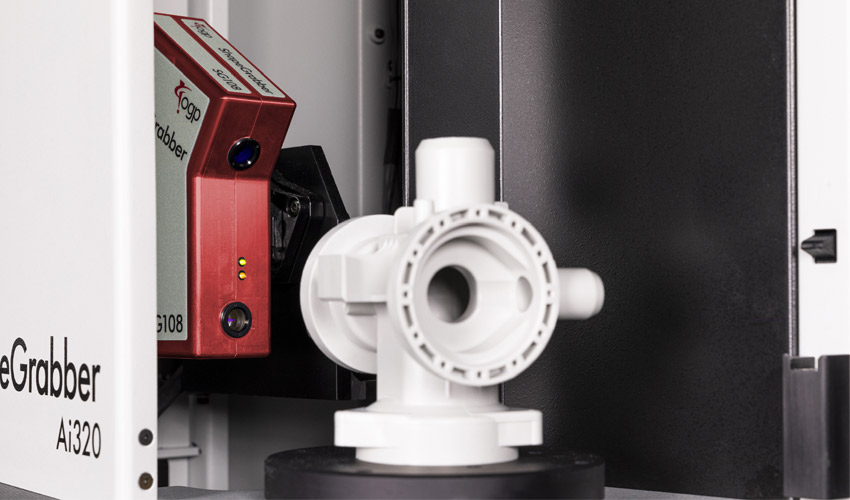 PrintersHow Do Metrology-Grade 3D Scanners Contribute to a Controlled Manufacturing and Inspection Process?When it comes to adopting additive manufacturing in their company, manufacturers often focus on the machine itself, without necessarily taking into account the entire 3D printing workflow. However, the choice of CAD software, post-processing solution or inspection tool for the&he
 News#3DStartup: Addiguru and its real-time monitoring software for 3D printingIn the additive manufacturing market, the user is not immune to potential manufacturing defects, not only wasting time and money, but also sacrificing quality. In order to limit these defects as much as possible as well as automate the production…
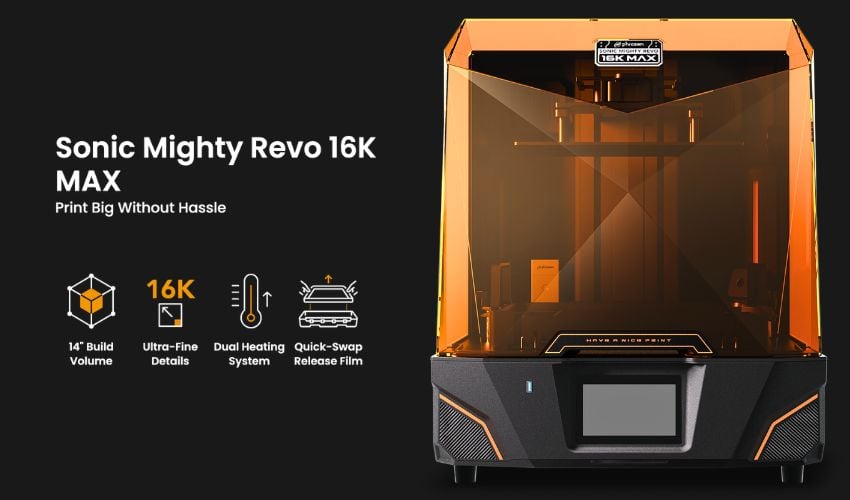 PrintersPhrozen Launches the Sonic Mighty Revo 16K MAX for Large-Format Resin 3D PrintingPhrozen has filled a gap in its own catalog. Until now, creators who wanted the Taiwanese manufacturer’s sharpest resolution reached for the Sonic Mighty Revo 16K, a precision tool bound by a modest 211.68 × 118.37 × 235 mm build…