News
How Can We Make Metal 3D Printing More Reliable and Encourage Its Adoption?
One of the most persistent challenges in additive manufacturing is undoubtedly process reliability. How can we guarantee that 3D-printed parts will meet the desired requirements? Will they withstand the effects of time? Can we successfully reproduce the same conditions for&hellip
- 3 min read
- News
- Six more stories
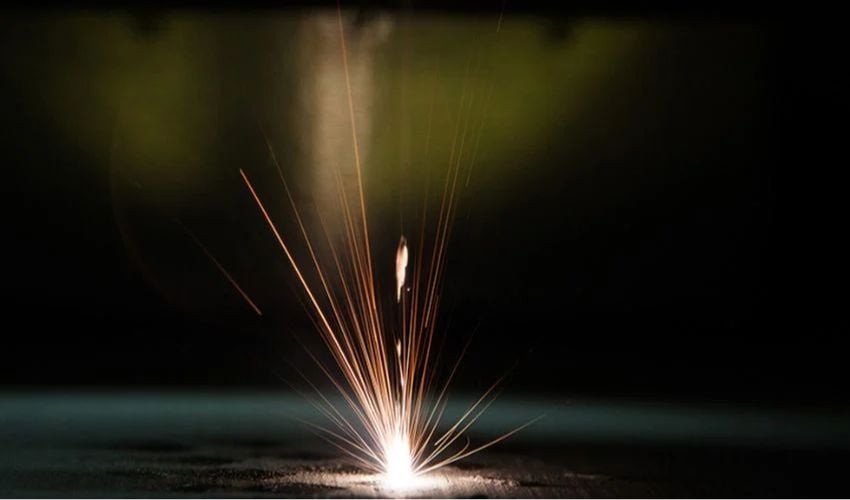
One of the most persistent challenges in additive manufacturing is undoubtedly process reliability. How can we guarantee that 3D-printed parts will meet the desired requirements? Will they withstand the effects of time? Can we successfully reproduce the same conditions for all our parts? These issues are particularly relevant in metal 3D printing, where many professionals are still reluctant to use the technology precisely because of this lack of reliability and repeatability. What if we could develop better control over the process? Achieve more precise control and better simulation? This is the focus of research conducted at Lawrence Livermore National Laboratory (LLNL) by the Non-Destructive Evaluation (NDE) group. Their goal is to observe and analyze the evolution of materials and structures within a part during printing, and to propose techniques to ensure better quality and greater consistency of parts.
It is still very difficult to know how a 3D-printed metal part will react, as most technologies use a heat source to fuse metal particles. However, metals are particularly sensitive to heat, and these thermal changes have an impact on the structures being manufactured. The diffusion of heat in the 3D printer can affect how the particles bond together, leading to failures, defects, and therefore non-conformities.
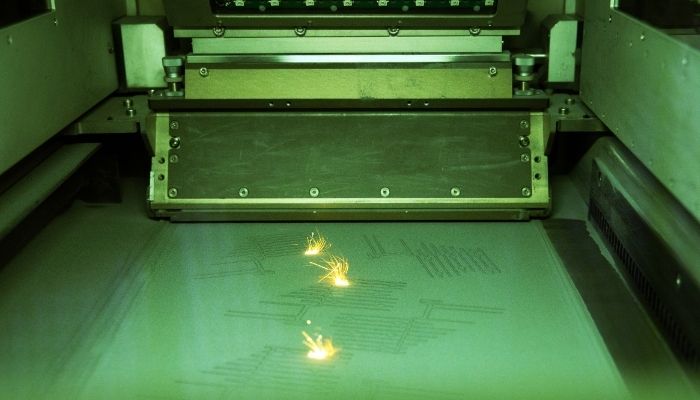
LLNL wants to promote the adoption of metal 3D printing.
David Stobbe is the group leader for NDE ultrasonics and sensors in the Materials Engineering Division (MED). He explains: “If you want people to use metal AM components out in the world, you need NDE. If we can prove that AM-produced parts behave as designed, it will allow them to proliferate, be used in safety-critical components in aerospace, energy and other sectors and hopefully open a new paradigm in manufacturing.”
More from the desk
Six other notes from the rest of the bench.
 News3D printing, the future El Dorado of the job market?In 2014, 3Dnatives France published a study on recruitment in the 3D printing industry with the goal of showing how technology has led to an increased demand for diverse profiles to join the industry. Recently the Orientation Council, (a body that is…
 ApplicationsMarines made 3D printed part for F-35 Stealth FighterEarlier this year a team of marines managed to save $ 70.000 through 3D printing. By using additive manufacturing to 3D print a small component for an F-35 Stealth Fighter, they saved the money, as they avoided having to purchase…
 PrintersContinuous Fiber 3D Printing Comes to the Desktop: FibreSeek Opens Global Pre-Sale of the FibreSeeker 3Continuous fiber 3D printing is not new to manufacturing. Industrial systems have used it for years to produce parts strong enough to substitute for machined metal. However, the equipment, materials, and expertise required for carbon fiber printing have kept it…
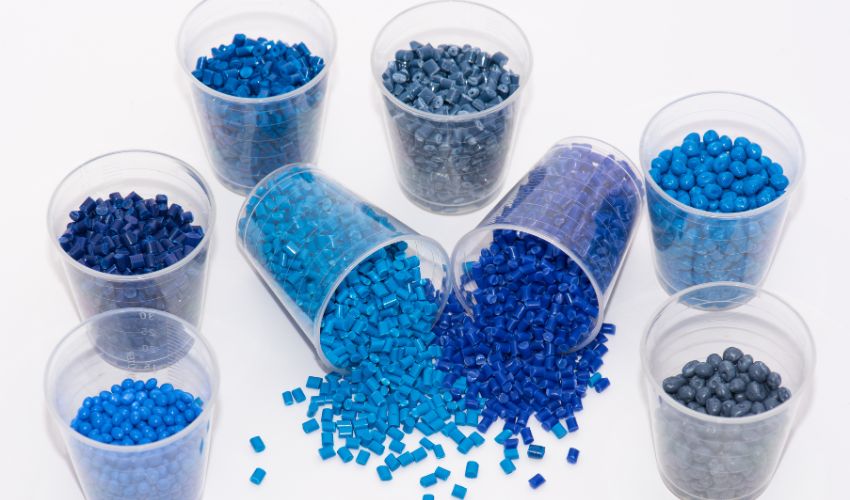 MaterialsDeveloping 3D printing filament from recycled plasticsIn Denmark, a professor at the University of Aarhus, Mogens Hinge, is conducting a research project to recycle plastic waste into a standardised 3D printing filament for the entire market. Called “Development of filament for 3D printing based on recycled…
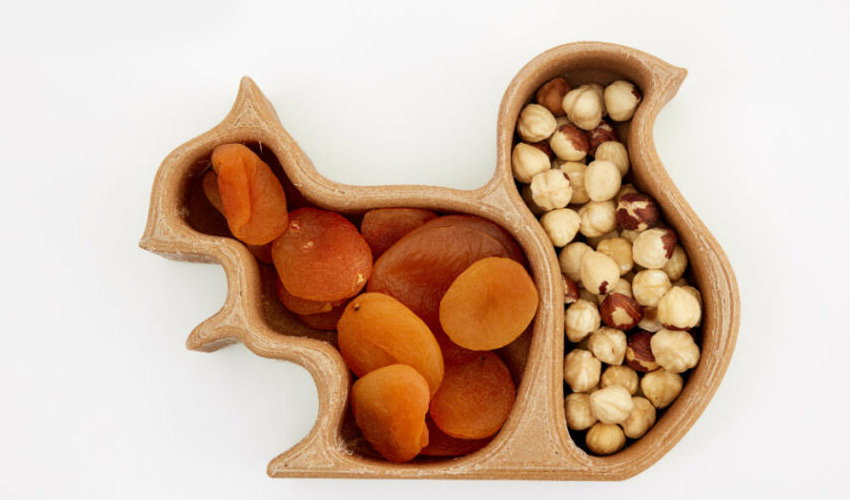 MaterialsGREENFILL3D on Transforming Production Waste into 3D Printing MaterialsWe have previously told you about GREENFILL3D, a Polish startup that develops ecological and biodegradable materials for 3D printing. Notably, it developed a wheat bran-based filament, GF3D Branfill3D. This material was created in accordance with modern concepts of zero waste&hel
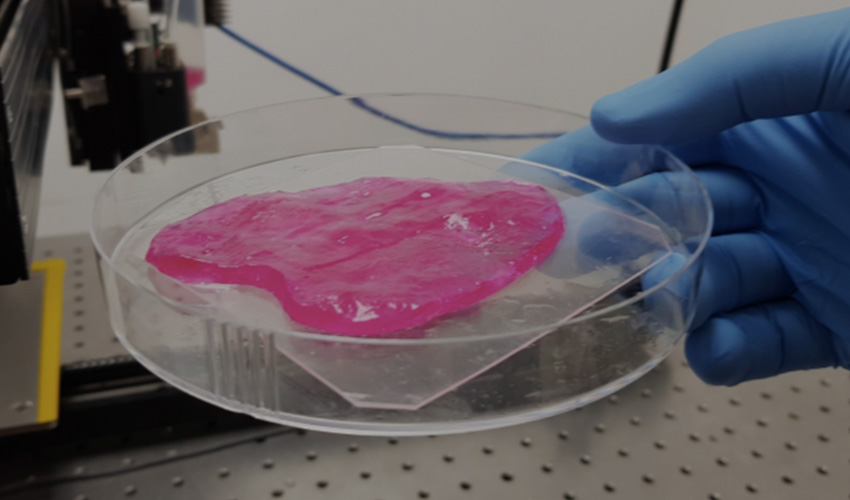 NewsMeaTech: this startup is 3D printing real and clean meatOver a month ago, we told you about the latest developments in alternative meat products made possible by 3D printing technologies. A growing number of companies have started to invest in the development of 3D printed meat alternatives, some rely…