News
PYLO: The Smart Bike Helmet That Integrates 3D Printing
Recently, additive manufacturing has introduced us to many projects that have centered on improving bicycles including bicycle saddles, frames or even stems. Now the 3D printed bicycle helmet also joins the list of these projects. The special thing about this…
- 3 min read
- News
- Six more stories
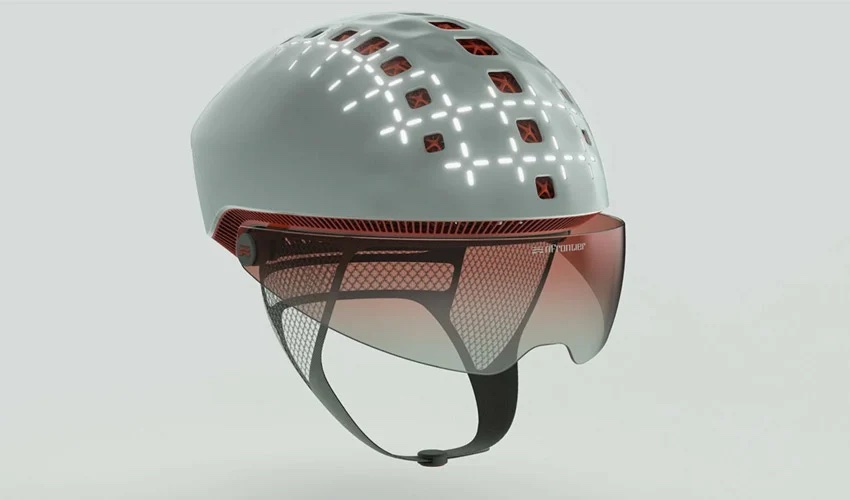
Recently, additive manufacturing has introduced us to many projects that have centered on improving bicycles including bicycle saddles, frames or even stems. Now the 3D printed bicycle helmet also joins the list of these projects. The special thing about this bicycle helmet, named PYLO, is on the one hand of course the fact that it was 3D-printed, but also thanks to its smart features. The manufacturer, nFrontier, which is based in the German capital Berlin, hopes that the helmet will be the first step towards their goal of a “better tomorrow enabled by impact driven products, business models and ventures”.
Although the PYLO bicycle helmet is the first product that nFrontier has introduced to the market since its founding in 2020, it integrates a number of different technologies. For example, we can see design, additive manufacturing and digital high-tech combining together to make one innovative product. This is because it was particularly important for the company that a bicycle helmet should meet the needs of athletes and recreational riders. In concrete terms, this meant that the helmet should be made of lightweight material that does not put too much strain on the head, combined with a modern and elegant design.
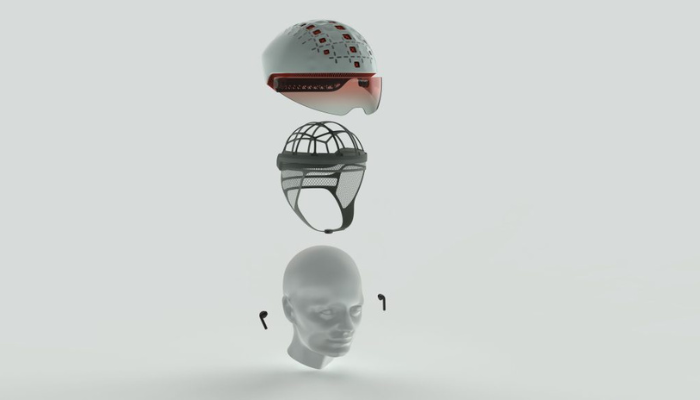
Photo Credits: nFrontier
Improving a Bicycle Helmet With 3D Printing
After spending the years since its inception mainly searching for suitable technology partners to realize its PYLO bike helmet, the company turned to 3D printing and design. Notably, nFrontier used Autodesk 3DSMax for the software part, and as for the final printing, they used the F370 and J55 3D printers – both from 3D printing manufacturer Stratasys. What has been 3D printed specifically is the inner lining of the helmet. This not only reinforces the bike helmet itself in terms of its mobility, but it also has the effect of being comfortable for the helmet wearer.
More from the desk
Six other notes from the rest of the bench.
 GuidesAtome3D on desktop 3D printing’s key role to accelerate productionThe company Atome3D is one of the main players in additive manufacturing in France. Today, it distributes a wide range of desktop 3D printing solutions, from printers, materials, to 3D scanners, and supports professionals and industrialists in the integration of…
 PrintersMimaki reveals a 10 million-color 3D printerJapanese company, Mimaki, have revealed their first color 3D printer. The printer, called the 3DUJ-553, is a 3D printing solution that is capable of manufacturing parts with more than 10 million colors for all professionals. Like the American giant HP,…
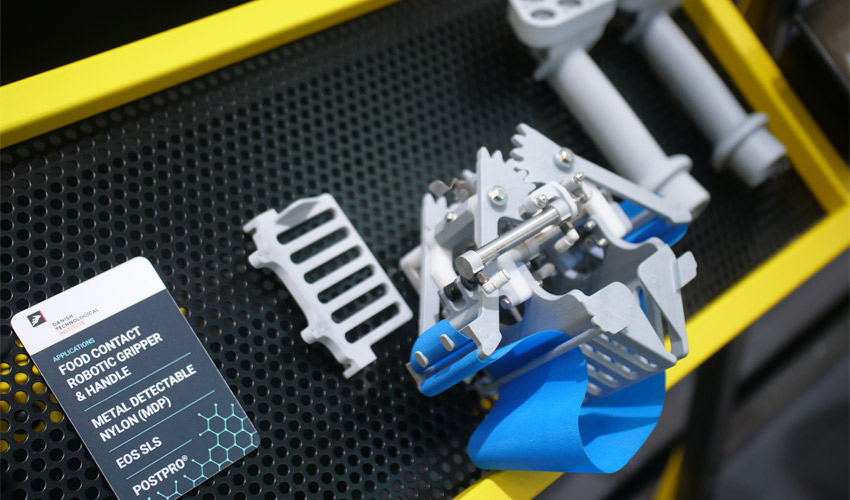 NewsHow to Unlock Additive for Industrial Applications with Vapor SmoothingIn any industry or sector, there are a number of necessary standards that must be met to ensure the proper functioning of certain parts, systems or services. The rise of additive manufacturing (AM) in many fields has led to the…
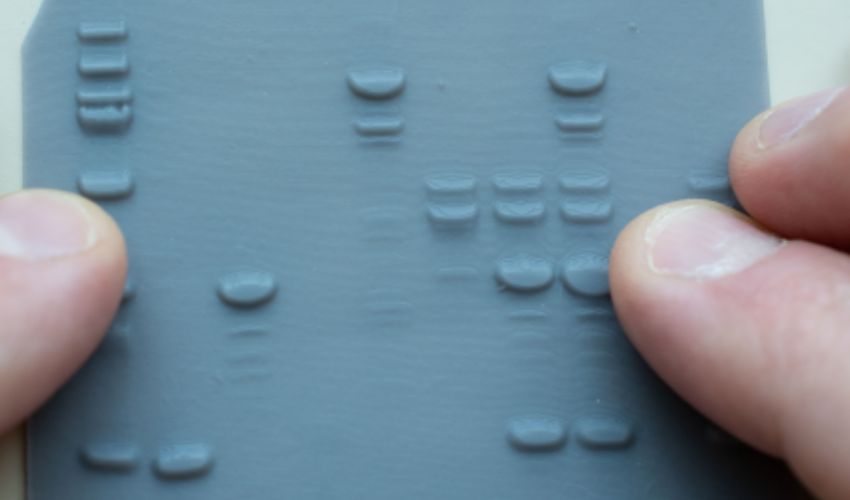 Applications3D Printing Could Improve Accessibility By Helping Blind Scientists to Read DataAccessibility, especially in academia, has been a topic of conversation for quite some time. People with a wide range of disabilities have the right to certain accommodations in order to allow them to work or study at the same level,…
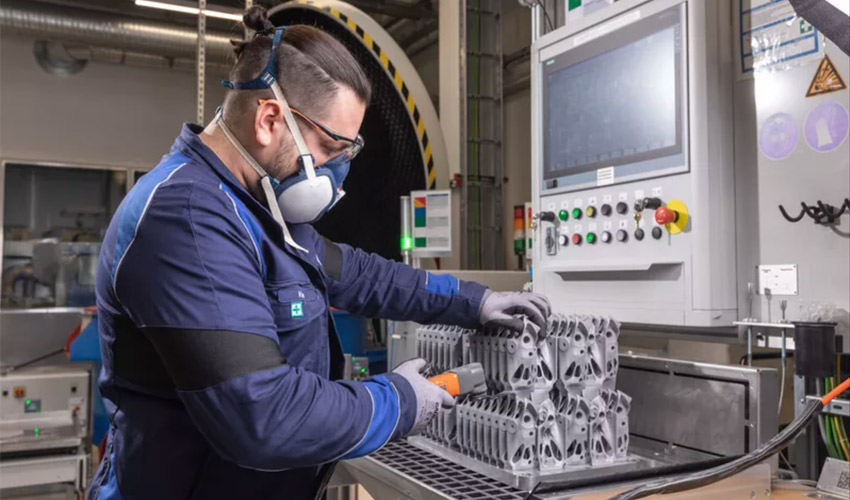 ApplicationsRolls-Royce is accelerating the integration of 3D printing into its production processSince the start of the year, the British manufacturer Rolls-Royce, a subsidiary of the BMW Group, has been 3D printing plastic and metal parts for its Rolls-Royce Ghost model. The parts are manufactured along the production line at various locations…
 NewsWEBINAR: Printing with Polypropylene Pellets – Benefits and ApplicationsMore and more companies are considering taking advantage of the benefits of pellet 3D printing. As some of the greatest challenges facing companies are the material limitations associated with filament production, the interest in using pellets instead has been increasing over&hel