Applications
Rolls-Royce is accelerating the integration of 3D printing into its production process
Since the start of the year, the British manufacturer Rolls-Royce, a subsidiary of the BMW Group, has been 3D printing plastic and metal parts for its Rolls-Royce Ghost model. The parts are manufactured along the production line at various locations…
- 3 min read
- Applications
- Six more stories
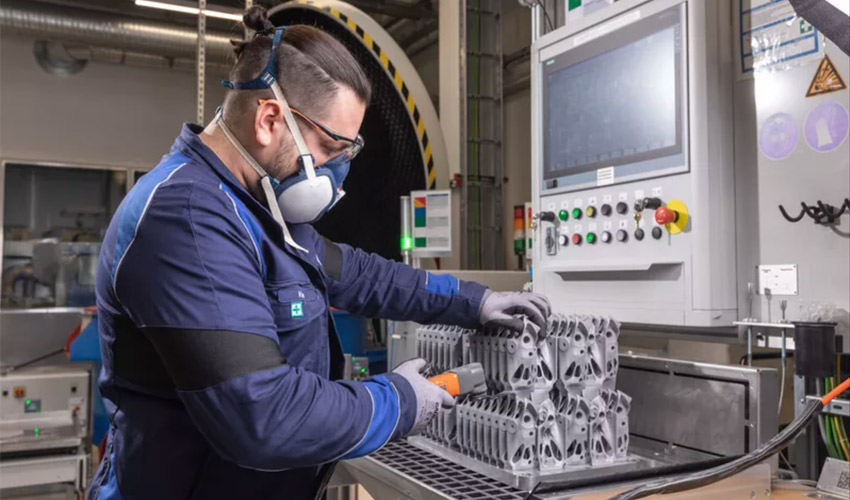
Since the start of the year, the British manufacturer Rolls-Royce, a subsidiary of the BMW Group, has been 3D printing plastic and metal parts for its Rolls-Royce Ghost model. The parts are manufactured along the production line at various locations in the global production network and are assembled in Goodwood, England. The manufacturer says it will install several hundred thousand 3D printed parts in the Rolls-Royce Ghost over the life cycle of the car model, drawing on BMW’s experience with its new additive manufacturing center. The group wishes to rely on 3D printing technologies to produce vehicles in series, Rolls-Royce being only the beginning of this great adventure.
Last June, the BMW Group opened its Additive Manufacturing Campus in Oberschleissheim, north of Munich, to bring together some 50 solutions for plastic and metal 3D printing. The group’s ambition is to industrialize these manufacturing processes, automate them and constantly innovate in terms of design. Daniel Schäfer, Head of Production Integration and Pilot Plant Integration at the BMW Group, adds: “Processes such as additive manufacturing help us to shorten development cycles and thus get our vehicles into production faster. 3D printing also helps us to reduce component production times while maintaining high quality standards“. These advantages were quickly incorporated by the group’s English subsidiary, Rolls-Royce, which has been able to adopt 3D printing and now designs end-use parts in higher volumes. We are still a long way from mass production, but these development are nevertheless encouraging.
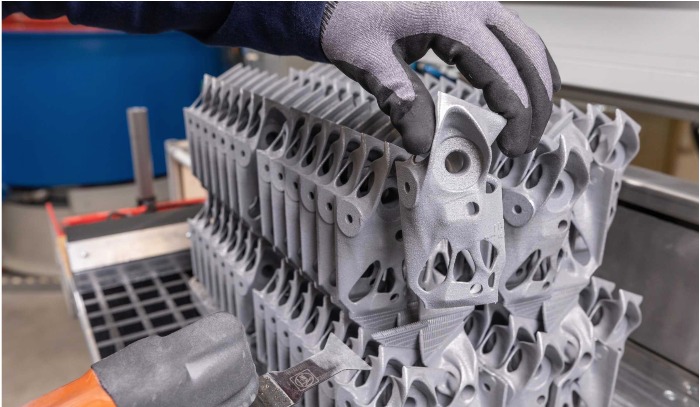
Rolls-Royce has produced metal 3D printed parts | Photo Credits: BMW
Rolls-Royce relies on plastic and metal technologies
Last October, Rolls-Royce introduced 3D printed components in its Extended Ghost model. The parts printed by the manufacturer are for the passenger cell and under the body, and are highly functional and rigid. For the interior, the group designed plastic components using selective laser sintering (SLS) and Multi Jet Fusion technologies, while for the metal parts, Powder Bed Fusion (PBF) was preferred. The latter are manufactured at the BMW Group’s plant in Landshut, Germany, and then integrated almost fully automatically into the production process.
More from the desk
Six other notes from the rest of the bench.
 PrintersTumaker Explains the Benefits of 3D Printing with PelletsOne of the main technologies that we highlighted during the latest edition of the Formnext expo in Frankfurt, is additive manufacturing with granules, also called pellets. In this exclusive interview onsite at Formenxt, we meet with Joao Haudenschild and Zoltan…
 NewsNew Technology From Carbon Co-Founder Promises Faster Multi-Material Resin Printing3D printing just keeps on evolving. Most recently, Stanford engineers, including Joseph DeSimone, have designed a new 3D printing method that they claim is 5 to 10 times faster than the quickest high-resolution printer currently available. Not only that, but…
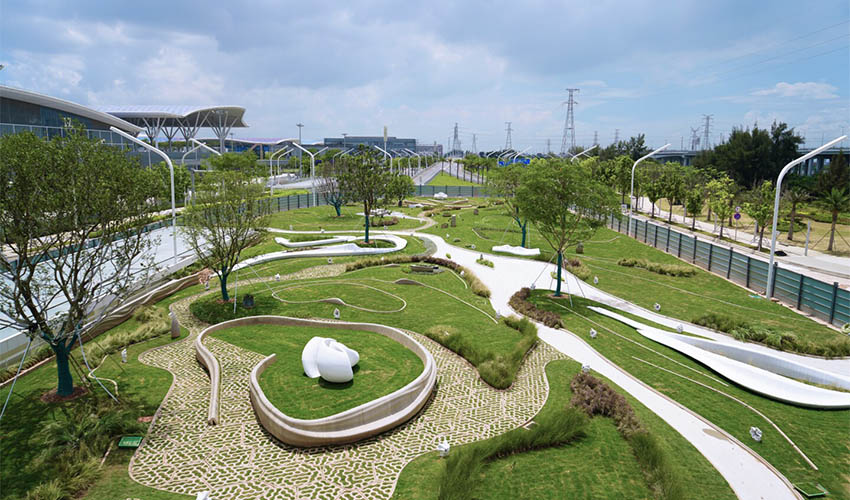 NewsThe First Park to be Built Using 3D Printing is in ChinaUsually when we talk about 3D printing and construction, it’s in relation to the now numerous buildings made with 3D printed walls. Between houses, stores, offices and even schools, there are countless initiatives mixing 3D printing and the building sector.…
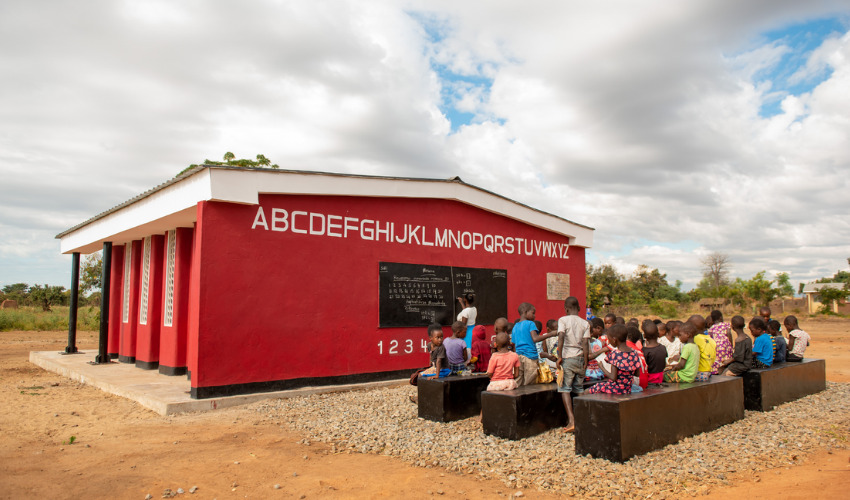 MaterialsThe First 3D-Printed School Has Opened its Doors in MalawiClass is in session at the world’s first 3D-printed school. Located in Malawi, the school was built by 14Trees, a joint venture between Holcim and the UK’s CDC Group, using a BOD2 printer from Danish 3D construction robot printer company…
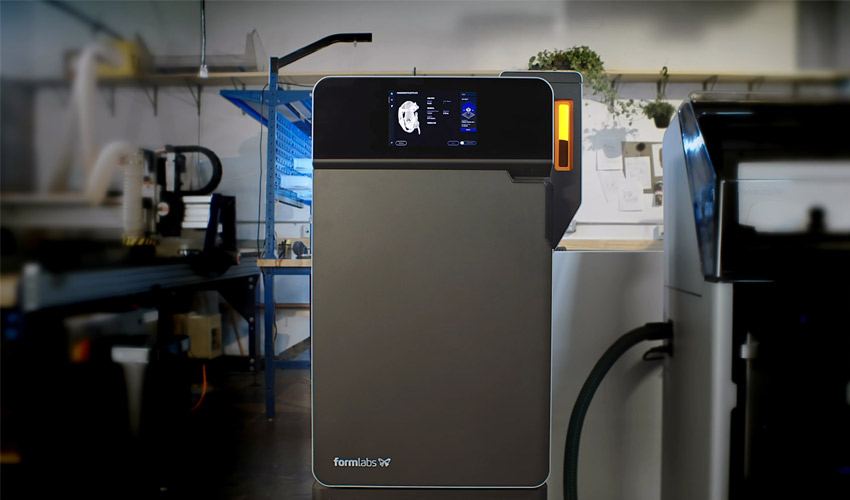 PrintersFormlabs reveals the Fuse 1 at our ADDITIV virtual eventDo you remember Formlabs’ announcement in June 2017? The 3D printing manufacturer, best known for its resin solutions, announced their intention to tackle the selective laser sintering (SLS) market with a desktop machine, the Fuse 1. After developing several prototypes,…
 NewsTop 5 Videos: 3D printing prosthetic arms, and moreThis week we found the top 5 videos about 3D printing and the way additive manufacturing is changing production. The technology has infiltrated many sectors, from medical to automotive – check our selection of the week to keep up with the innovations! If you enjoy these, you&hell