News
WEBINAR: Printing with Polypropylene Pellets – Benefits and Applications
More and more companies are considering taking advantage of the benefits of pellet 3D printing. As some of the greatest challenges facing companies are the material limitations associated with filament production, the interest in using pellets instead has been increasing over&hel
- 3 min read
- News
- Six more stories
More and more companies are considering taking advantage of the benefits of pellet 3D printing. As some of the greatest challenges facing companies are the material limitations associated with filament production, the interest in using pellets instead has been increasing over the past few years. Due to this, new materials specially designed for pellet 3D printing have been designed, such as polypropylene.
Polypropylene is the most used polymer in industry; yet it is rarely used in additive manufacturing. This is because it is a challenging material when to work with in FFF (Fused Filament Fabrication) or FGF (Fused Granular Fabrication). This is notably due to poor adhesion between layers and the tendency for the material to warp. However, these can be overcome with the development of an ecosystem formed by products specially designed to be used in 3D printing together with printing parameter optimization and technical support service to help printers to achieve the best printing results while minimizing time and effort.
In the webinar, “Printing with Polypropylene Pellets: Benefits and Applications,” attendees were able to learn about this ecosystem and new trends related to PP in 3D printing. Experts from Repsol, IT3D and Lowpoly discussed the development of polypropylene materials for granule printing. Watch the replay below!
More from the desk
Six other notes from the rest of the bench.
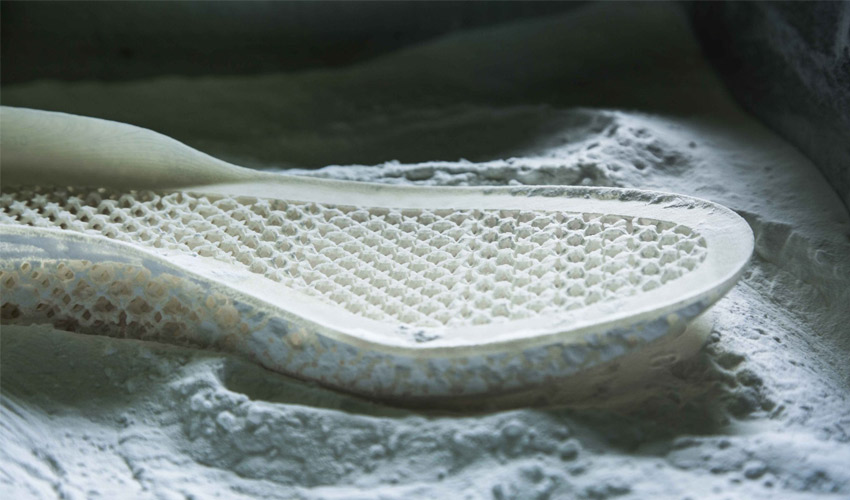 News3D printed footwear, a market in full growth?The research firm SmarTech Analysis, specialised in additive manufacturing, recently published its latest report on the role of 3D technologies in the footwear sector. The use of additive manufacturing in this industry is expected to generate more than $6.5 billion…
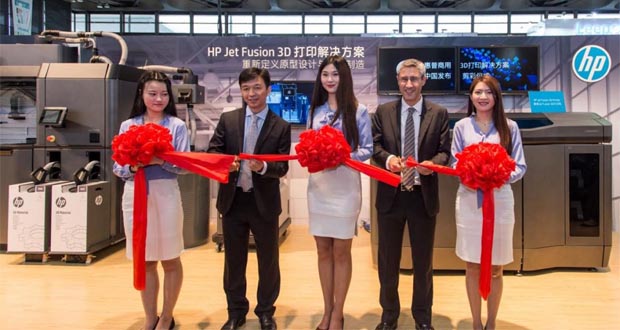 NewsHP makes big announcements at Die & Mould China 2017Coming on the cusp of recent announcements by HP at the RAPID + TCT fair in the US earlier this month, HP is now back with new surprises at the Die & Mould China 2017 Expo in Shanghai that just…
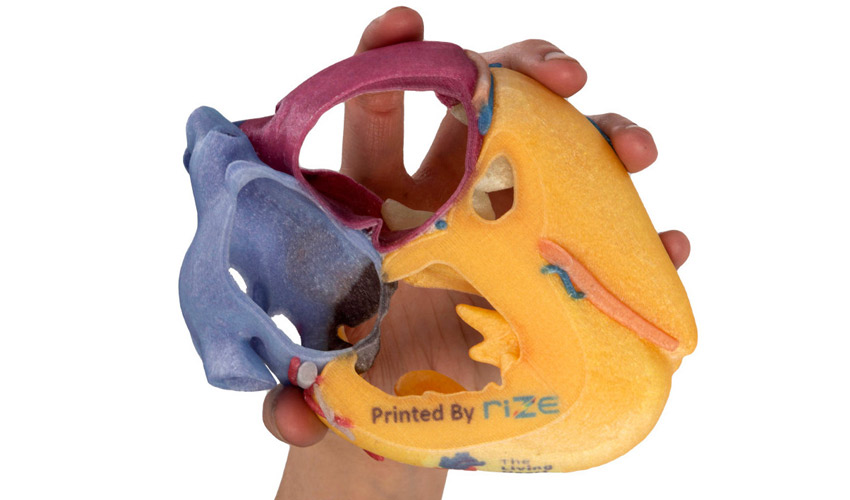 MaterialsRIZIUM GF, new composite material for color 3D printingA few days ago, the American manufacturer RIZE unveiled a new glass fiber reinforced filament compatible with its full-color printing solutions. This is a first for the company, which aims to offer its customers more applications, relying on the rigidity…
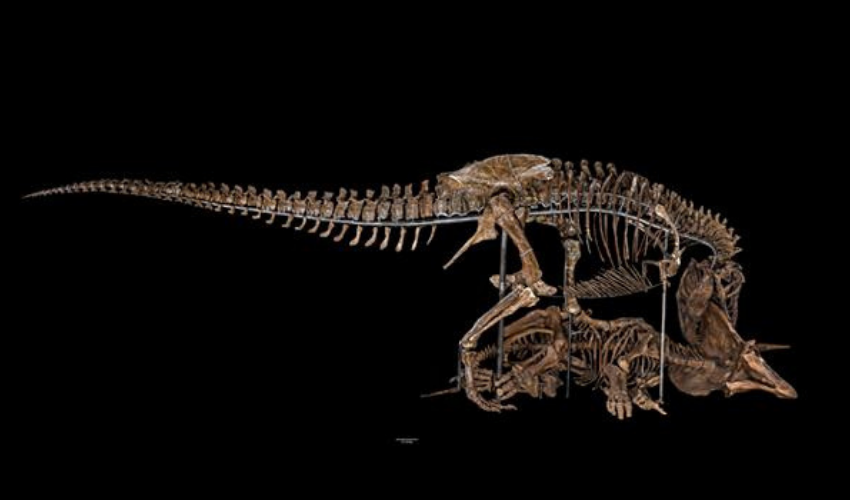 NewsSmithsonian’s 3D program allows users to 3D print thousands of artifactsHave you been missing museum visits and other cultural activities due to the COVID-19 pandemic? The Smithsonian Institution in Washington D.C. might have a solution for you. One of the many applications of 3D printing is its possibility to be…
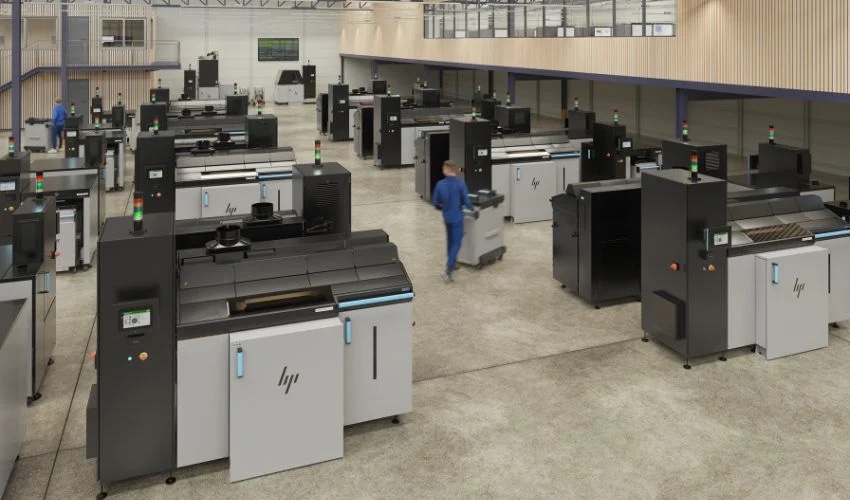 NewsHP Is Showcasing New HP Metal Jet S100 Solution and HP Jet Fusion 5400 Series at FormnextAt Formnext, both users and exhibitors are able to enjoy a place where all innovations in the field of additive manufacturing can be found: from materials to 3D printers and 3D scanners to post-processing and software solutions, everything is present!…
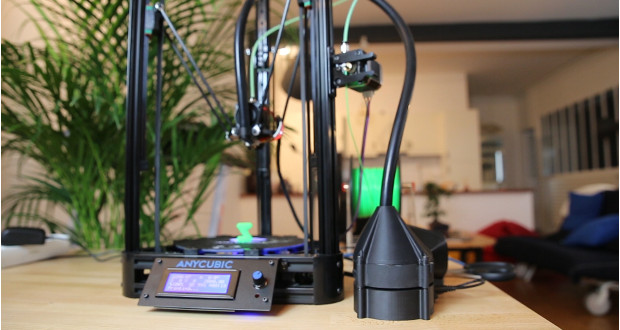 PrintersZimple: 3D Printing without Toxic EmissionsNicolas and Antoine of “Zimple” launched their Kickstarter campaign earlier this year for a 3D printer filtration system that helps to significantly reduce the toxic emissions that are produced during printing. Their filtration system called the “Zimpure”