Applications
3D Printing Could Improve Accessibility By Helping Blind Scientists to Read Data
Accessibility, especially in academia, has been a topic of conversation for quite some time. People with a wide range of disabilities have the right to certain accommodations in order to allow them to work or study at the same level,…
- 3 min read
- Applications
- Six more stories
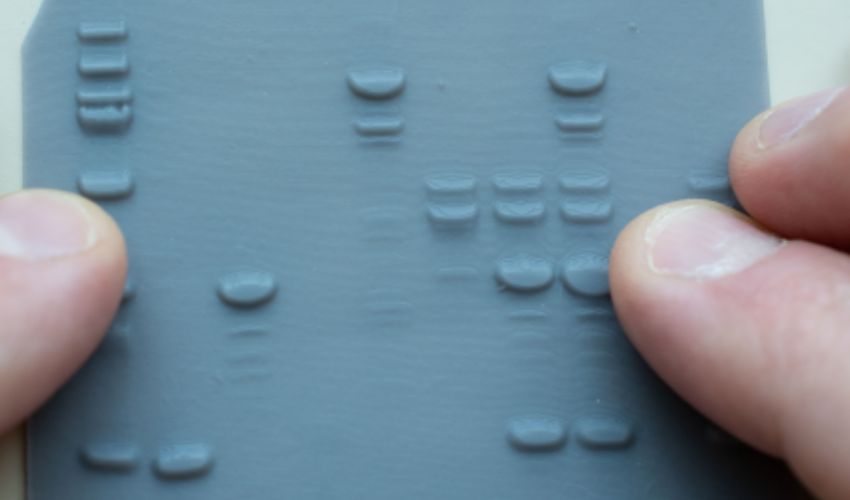
Accessibility, especially in academia, has been a topic of conversation for quite some time. People with a wide range of disabilities have the right to certain accommodations in order to allow them to work or study at the same level, however, often places do not even do the bare minimum. Thankfully, one Baylor Study has now shown how that does not need to be the case for blind scientists thanks to 3D printing. They hope that by turning scientific data into tactile graphics, they will be able to eliminate barriers that have caused the exclusion of individuals with blindness from pursuing chemistry education.
The Baylor study is named “Data for all: Tactile graphics that light up with picture-perfect resolution.” It was published in Science Advances and shows the Baylor researchers were able to use 3D printing to turn a two-dimensional image (from data) into a 3D printed lithophanes, allowing it to become tactile and thus accessible to all. Lithographs are an ancient artistic medium that was created in China as early as the sixth century and popularized in Europe in the 19th. Essentially, they are thin engravings made from translucent materials that initially appear opaque but glow when lit by a light source. The scattering of light causes thinner regions to appear brighter and thicker regions to appear darker. This study marks the first time it was used in science and when combined with 3D printing, has resulted in these graphics which could allow individuals to universally visualize the same piece of data.
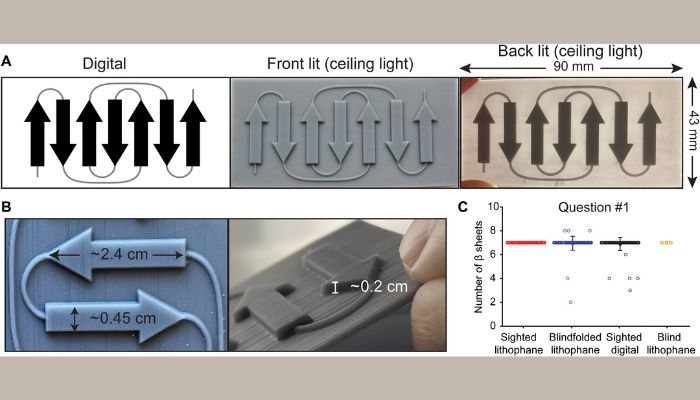
A representation of the steps going from the digital representation of the data all through to the printed lithograph and then the results from all participants (photo credits: Baylor University)
Bryan Shaw, Ph.D., professor of chemistry and biochemistry and a corresponding author on the study explains, “This research is an example of art making science more accessible and inclusive. Art is rescuing science from itself. The data and imagery of science – for example, the stunning images coming out from the new Webb telescope – are inaccessible to people who are blind. We show, however, that thin translucent tactile graphics, called lithophanes, can make all of this imagery accessible to everyone regardless of eyesight. As we like to say, ‘data for all'”
More from the desk
Six other notes from the rest of the bench.
 PrintersEpson Officially Enters the 3D Printing MarketIt’s hard not to have heard of the Japanese group Epson, especially when it comes to 2D printers. And today, it particularly interested us because the electronics giant is taking an unexpected turn in the additive manufacturing market. The company…
 NewsA new 3D printed antiviral material to fight against Covid-19Though Covid-19 has plunged the world into an unprecedented health crisis, it has at least allowed additive manufacturing to show the general public what benefits it can bring to society. Since the beginning of the pandemic, innovations to fight against…
 PrintersUniFormation S10 Combines Resin Printing, Washing and Drying in One Desktop MachineAnyone who has used a desktop resin printer knows the print itself is only half the job. What follows is a messy routine: lifting a part still coated in uncured resin off the build plate, moving it to a separate…
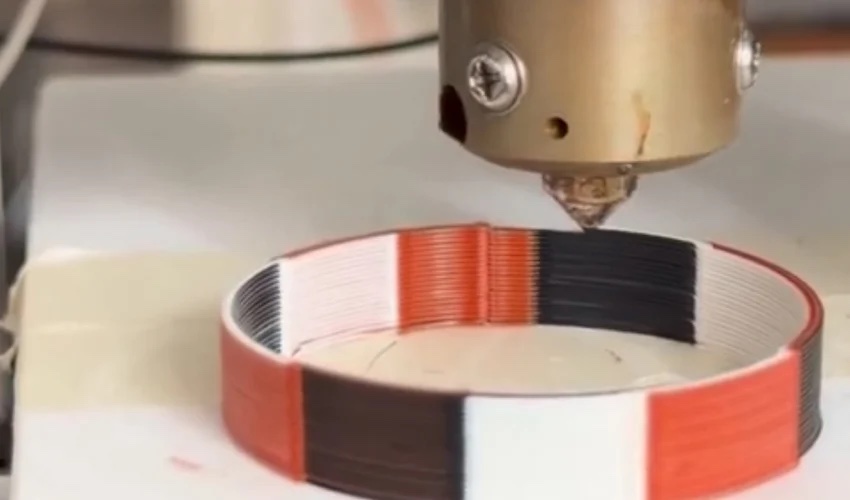 PrintersRotating Nozzle Reduces Filament Waste in Color 3D PrintingMulticolor FDM 3D printing has gained in popularity thanks to innovative systems such as Bambu Lab’s AMS, which paved the way for a new generation of machines capable of handling multiple filaments simultaneously. This system, which quickly inspired other manufacturers&hell
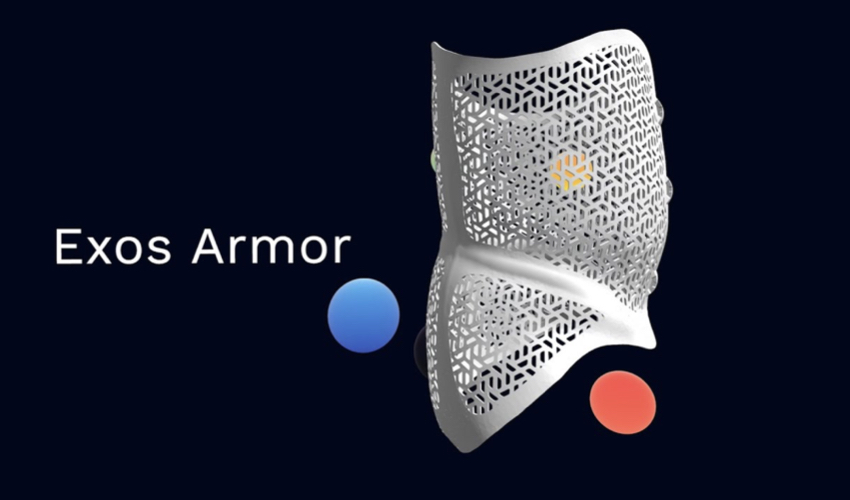 NewsExos Armor: The Entirely 3D Printed Back BraceAt CES 2021 Exos unveiled their 3D printed back brace, entitled Armor, intended to better posture and treat scoliosis. The Exos Armor is fully eco-sustainable and entirely 3D printed from eco-friendly materials making it both light and strong at the…
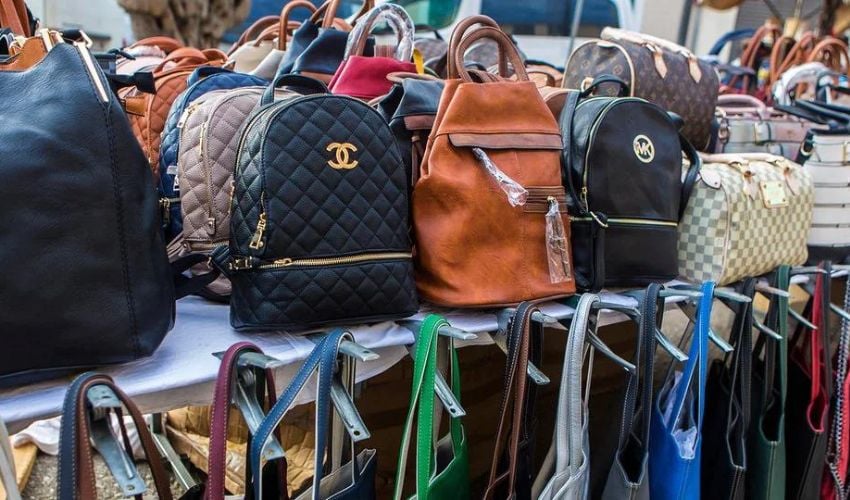 NewsHow Can 3D Printing Help in the Fight Against Counterfeit Goods?Over the years, the trade in counterfeit goods, mostly of luxury brands, has spread rapidly all over the world. Data from the OECD in 2019 already showed that the trade in fake goods amounted to about 3.3% of all world…