Guides
What Are the Available Post-processing Solutions for 3D Printing?
The additive manufacturing process rarely stops once your 3D printer has completed the part. Often, it takes varying amounts of time to complete post-processing steps, depending on the printing technology used. In fact, a recent study showed that the biggest…
- 3 min read
- Guides
- Six more stories
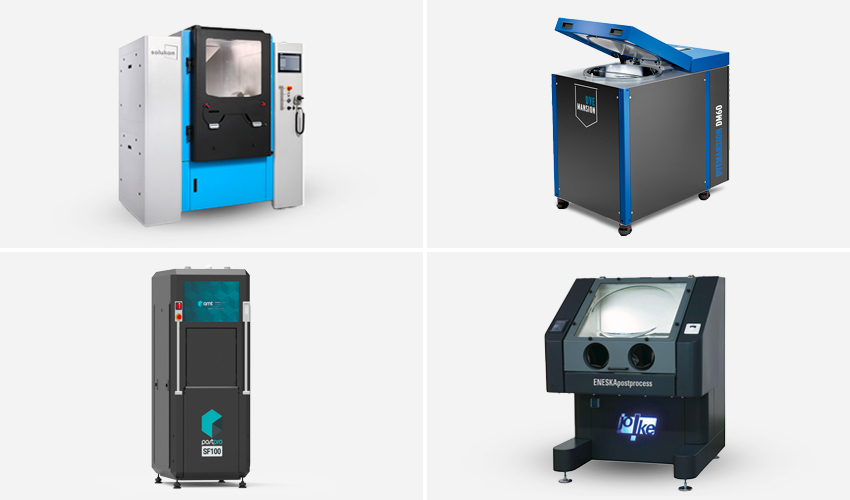
The additive manufacturing process rarely stops once your 3D printer has completed the part. Often, it takes varying amounts of time to complete post-processing steps, depending on the printing technology used. In fact, a recent study showed that the biggest challenge in post-processing in 2022 was the time required to complete it – 55% of respondents still feel it is too time consuming. This is surely one of the reasons why some manufacturers are coming up with faster, more accessible and automated solutions, regardless of the method used. We have therefore decided to present the post-processing solutions available on the market by classifying them by process: cleaning of the part, whether to remove excess material and/or supports; surface treatment and finally coloring. Each post-processing solution is listed by the name of its manufacturer, in alphabetical order.
But before we begin to introduce you to these solutions, please note that we will only focus on the manufacturers of the actual post-processing machines. As you know, many 3D printer manufacturers have also developed an offer dedicated to post-processing – Formlabs, for example, with its cleaning and heat treatment solutions, or SLS specialists who offer de-powdering machines. We decided not to include them in this article.
Cleaning of the part
Once the 3D printer has finished the part, the piece is rarely usable as is, and often a step is required to remove excess material: this is called de-powdering in the case of powder bed technologies – metal or plastic – or cleaning in the case of resin technologies. In some cases, you will also need to remove the print supports: some are easily removed by hand, but when it comes to metal processes, a machine is required.
More from the desk
Six other notes from the rest of the bench.
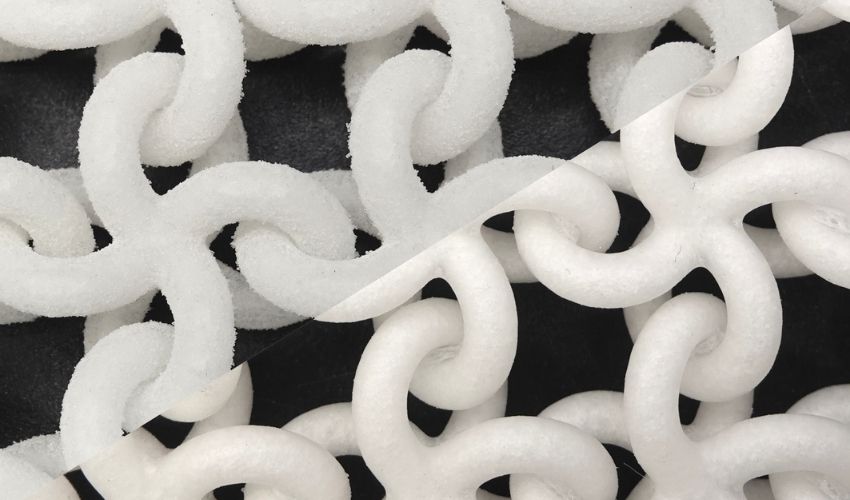 MaterialsAM Polymers on Developing Innovative Plastic Powders for Additive Manufacturing3D printing has evolved as a technology from a tool for prototyping to a popular manufacturing process. Increasingly, technical components are also being created using additive manufacturing (AM) for industrial purposes. As a result, a wide variety of industries, from…
 NewsMadagascar’s First 3D Printed School CompletedEarly last year, we introduced Thinking Huts, an American nonprofit organization that’s main goal is to help children gain access to education in underprivileged areas in the world. To make that possible, the organization, which was founded in 2015, relies…
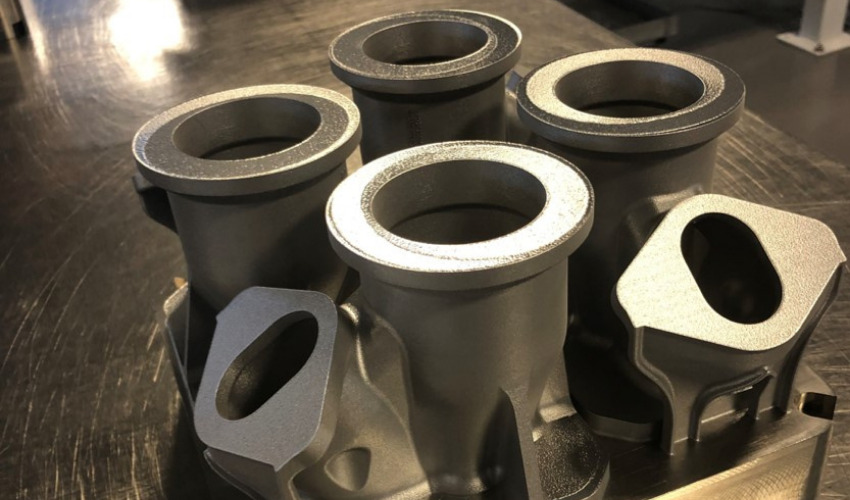 NewsGE Aviation Switches to Metal AM for Four Parts, Cutting Costs by 35%Can metal additive manufacturing replace traditional casting in aviation sector? GE certainly seems to think so. A collaboration between GE Aviation and GE Additive has prompted the manufacturer to switch from investment casting to metal additive manufacturing (AM) for four&helli
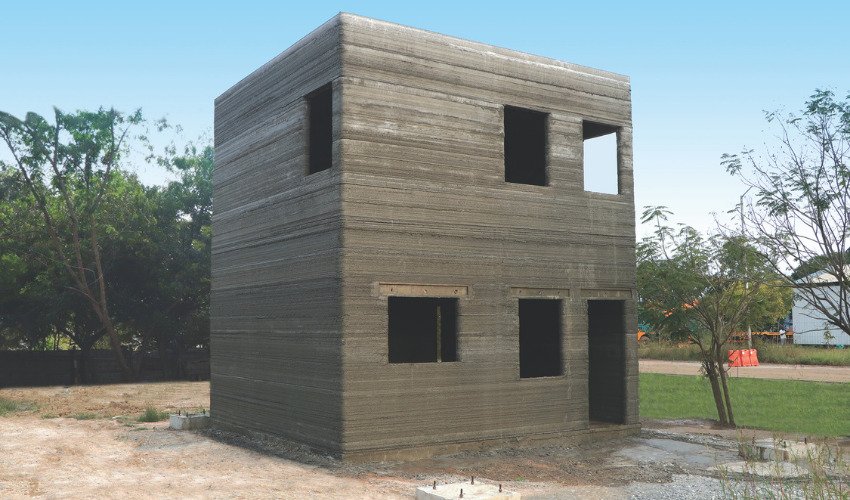 NewsCOBOD printer used for India’s first 2-Story 3D printed buildingL&T Construction has announced that it has developed India’s first 3D printed two-story building. The building was created using a COBOD printer and is the second Indian 3D printed house, the first was a single storey house also built by…
 NewsSiemens manufactures the first 3D printed part for a nuclear power plant For the first time ever, the German specialists in high technology, Siemens, has manufactured a 3D printed part for a nuclear power plant. A major challenge and accomplishment when taking into account the stringent safety and security requirements that…
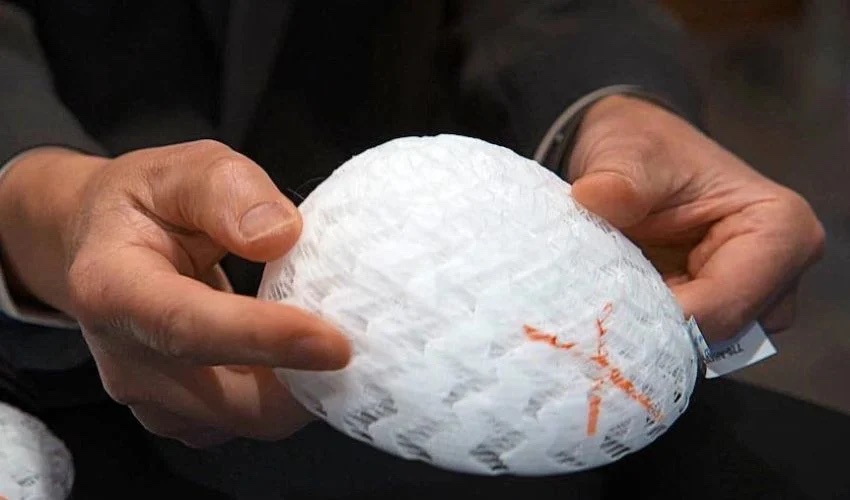 Applications3D Printed Scaffold Might Soon Replace Conventional Breast ImplantsAustralian scientists have succeeded in using additive manufacturing to produce scaffolds that could replace conventional silicone breast implants in the future. The scaffold is designed to look like a conventional breast implant and is made of the same material used…