News
GE Aviation Switches to Metal AM for Four Parts, Cutting Costs by 35%
Can metal additive manufacturing replace traditional casting in aviation sector? GE certainly seems to think so. A collaboration between GE Aviation and GE Additive has prompted the manufacturer to switch from investment casting to metal additive manufacturing (AM) for four&helli
- 3 min read
- News
- Six more stories
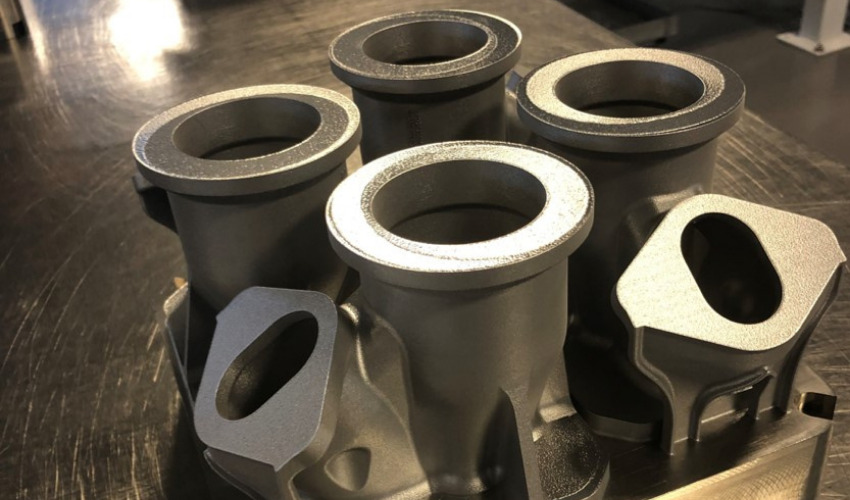
Can metal additive manufacturing replace traditional casting in aviation sector? GE certainly seems to think so. A collaboration between GE Aviation and GE Additive has prompted the manufacturer to switch from investment casting to metal additive manufacturing (AM) for four bleed air parts for a land/marine turbine. The team mentions the costs savings (with the four 3D printed parts expected to slice 35% of GE’s costs) and the faster time to market as the drivers behind the switch.
Casting, a manufacturing process where liquid material (often metal) is poured into a mold containing the desired shape is widely used especially in the aerospace sector where parts with a certain design are necessary. However, it can be costly and ineffective as manufacturers must invest in the cast itself which can then only make that single shape. Additionally, when that cast/material is no longer produced, then the parts cannot be either, resulting in older aircraft becoming obsolete as broken parts can no longer be replaced. As GE has found, metal additive manufacturing can directly address many of these issues.
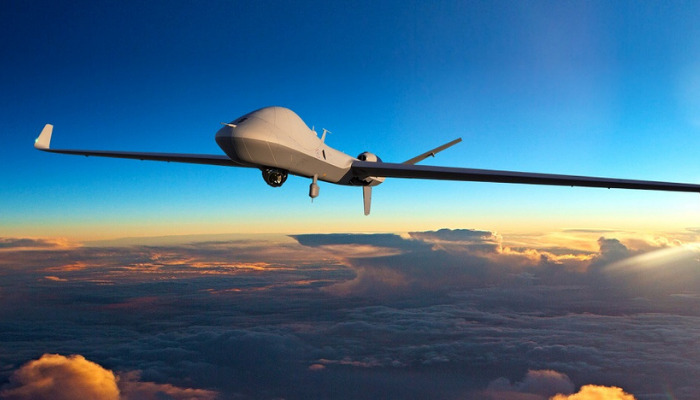
GE Aviation often uses AM, for example the SkyGuardian Remotely Piloted Aircraft (RPA) has a 3D printed part. (Photo Credits: GE Aviation)
Why did GE switch to AM for these parts?
AM has been gaining in importance in a number of sectors and especially in aviation for a number of years now. For example, a 3D printed fuel nozzle tip for GE Aviation’s LEAP engine was able to consolidate 20 different parts into one single structure. Similarly, the new turboprop engine combined 855 parts into just 10 3D-printed components, saving both time and money. For this particular project, the company decided to use 3D printing for four parts destined for the LM90000, a land/marine turbine to see if metal additive manufacturing truly could go toe-to-toe with industrial casting. In this case, the answer was a resounding yes, as 3D printing was found to be more efficient, cost-effective and faster than the traditional casting process.
More from the desk
Six other notes from the rest of the bench.
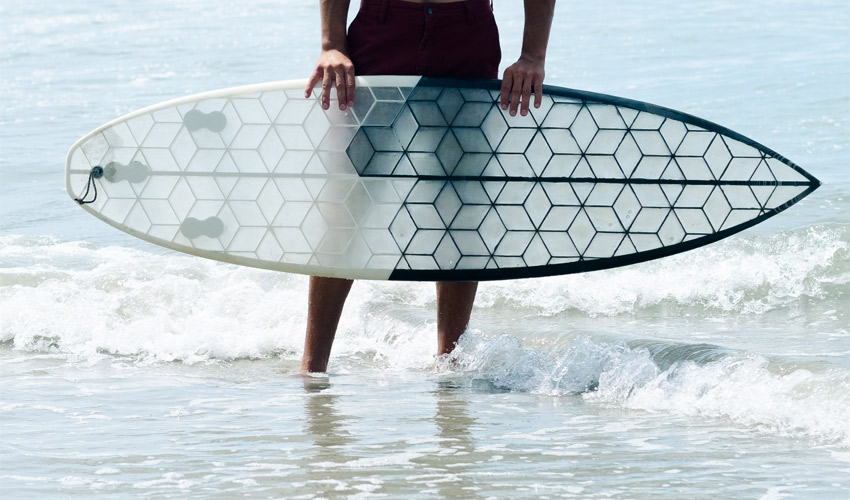 GuidesWYVE and its 3D printed eco-surfboardsWYVE, previously known as HEXA Surfboard, is a young French company that has relied on 3D printing to design surfboards that are more environmentally friendly, customizable and with a transparent design. Aware of today’s ecological problems, the brand is totally…
 NewsTop 5 Videos: 3D Printing and RacecarsThis week, find out how 3D printing can be used for racecars. Students have set out to develop electric and autonomous racecars using additive manufacturing. Whether used to make prototypes or finished parts, AM allows the cars to be more…
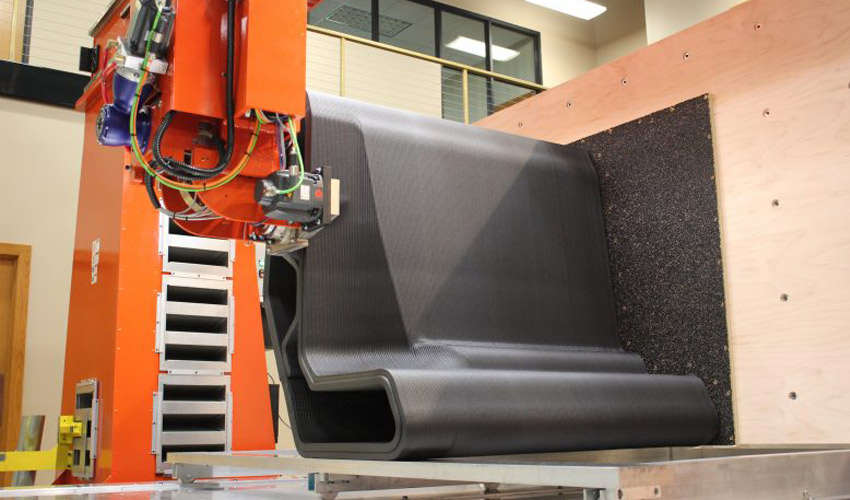 NewsThermwood develops a process for large format vertical 3D printingLarge-format 3D printer manufacturer Thermwood Corporation has unveiled a new approach to XXL 3D printing: the creation of parts vertically, rather than horizontally like all machines on the market. This development will allow the company to further increase its printing…
 NewsTop 5 Videos: A 3D Printed Vegan Steak, ADDITIV Aerospace & MoreIn this week’s selection of top 5 videos about 3D printing, we’re giving you a sneak peak of our next ADDITIV event – ADDITIV Aerospace. Next up is Marketforged’s new investor video, released after the company announced a merger with…
 MaterialsSugar Lab Digital Bakery Produces 3D Printed Wedding TreatsWhile the pandemic has shaken up many wedding plans, couples across the globe are rushing forward with previously postponed nuptials. To sweeten their experience, Los Angeles-based “digital bakery” the Sugar Lab is tapping into the wedding market using a patented&hell
 NewsSolidworks World 2019, Where Possibility Takes FormAfter four intense and very interesting days in Dallas, Solidworks World 2019 has come to an end. Dassault Systèmes continues to host this annual event attended by designers, engineers and users of Solidworks from all around the world. More than…