Materials
AM Polymers on Developing Innovative Plastic Powders for Additive Manufacturing
3D printing has evolved as a technology from a tool for prototyping to a popular manufacturing process. Increasingly, technical components are also being created using additive manufacturing (AM) for industrial purposes. As a result, a wide variety of industries, from…
- 3 min read
- Materials
- Six more stories
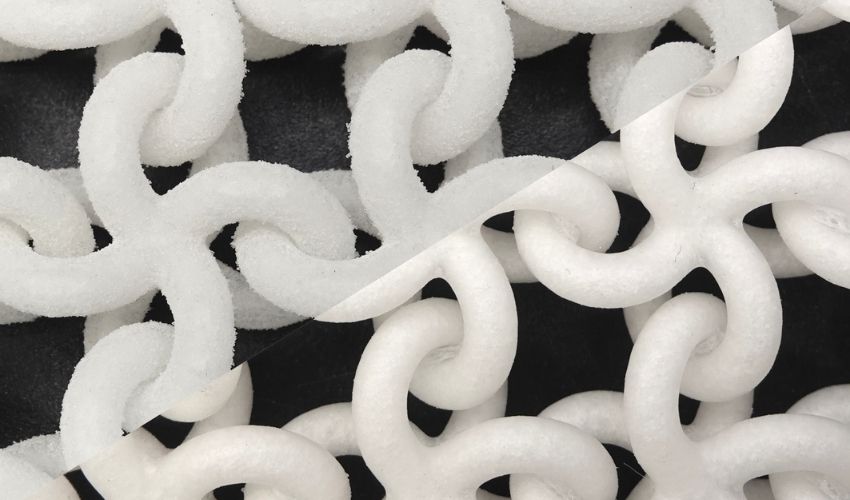
3D printing has evolved as a technology from a tool for prototyping to a popular manufacturing process. Increasingly, technical components are also being created using additive manufacturing (AM) for industrial purposes. As a result, a wide variety of industries, from automotive to aerospace, are now benefiting from the many applications of AM. However, in order for companies to really exploit the advantages of 3D printing over traditional processes, it is by no means only the choice of process that is important. Only with a suitable selection of materials can new technologies truly become a part of industrial applications and mature.
AM Polymers, an expert in the production of qualified plastic powders for Selective Laser Sintering (SLS) and high speed sintering (HSS), is one of the pioneers on the market when it comes to the development of qualified powder materials with properties close to those of injection molding. We spoke with the two company founders, Andreas Wegner and Timur Ünlü, to find out more about the variety of materials on the market for additive manufacturing. In the interview, the two experts explain how they have succeeded in expanding this range.
3DN: Can you briefly introduce yourself and your connection to 3D printing?

Andreas Wegner: The entire AMP team came into contact with the technology during their studies or through the use of their own 3D printers. I have been involved with 3D printing since 2007. During my doctorate at the University of Duisburg, I focused my attention in particular on SLS and plastics – with a focus on a deep understanding of the technology as well as of robust processes. In doing so, I recognized early on the need to expand the range of materials for laser sintering in order to make 3D printing usable for applications that had been closed to date. For this reason, I started developing new powder materials in 2012.
More from the desk
Six other notes from the rest of the bench.
 NewsWEBINAR: How Can You Use FDM to Print Ceramics and Metals?When most people think of 3D printing, the process that comes to mind is FDM, or Fused Deposition Modeling. An extrusion-based method, FDM requires just a build plate, an extruder (or multiple) and a filament for users to print their…
 NewsHP BioPrinter; the dispenser that will bioimpress antibioticsWe have seen the US giant go way opening multiple sectors within the additive manufacturing from 3D color printing to 3D metal printing. Just recently they announced their new HP Metal Jet plans coming up. But it is not their only announcement this year. They…
 MaterialsPEEK vs PEKK: Which High Performance Material Should You Choose?PEEK and PEKK are high performance polymers, known for their strength and thermal properties, that are increasingly used in additive manufacturing industry. PEEK and PEKK demonstrate sufficient mechanical strength at temperatures over 250°C, and can resist deformation well above
 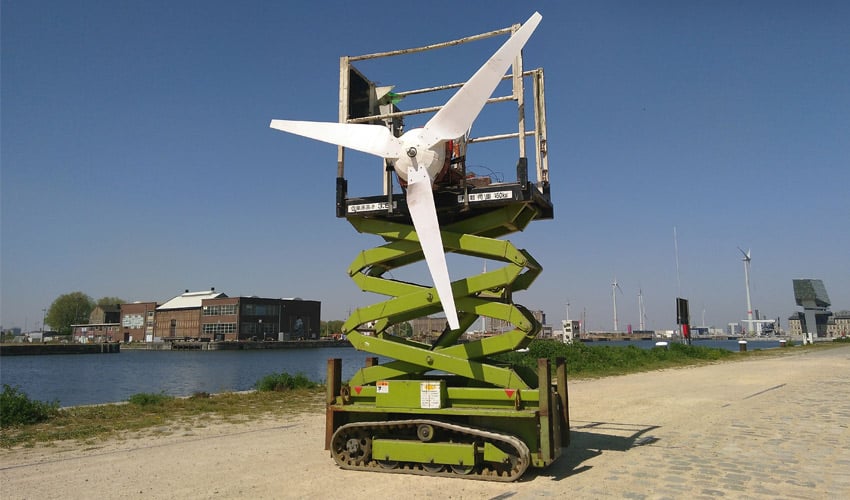 GuidesFrom Waste to Wind on 3D Printing Wind Turbines Using Plastic WasteIn recent years, wind power has been developing around the world in order to provide a more sustainable alternative for electricity production. In the US for example, total annual electricity generation from wind energy increased from 6 billion kilowatthours (kWh)…
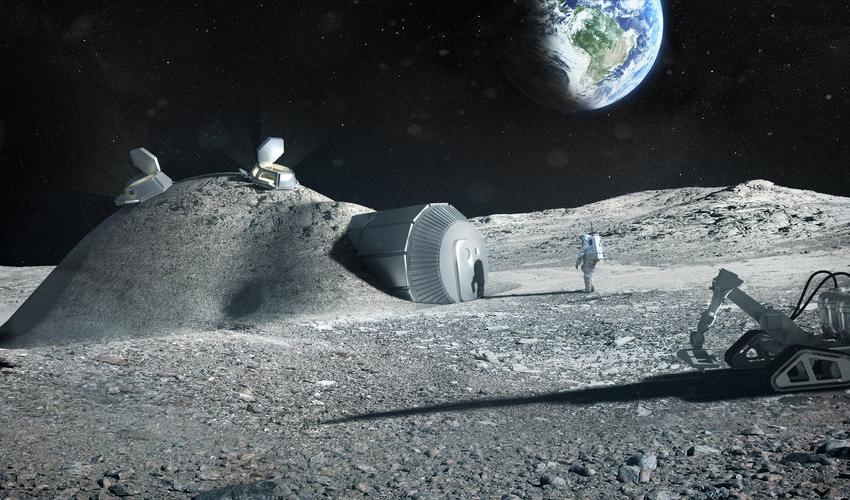 NewsSpaceIL using 3D printing to win $30M prize by landing on MoonIn what promises to be a momentous achievement, an Israeli startup is attempting to use 3D printing to land on the Moon. The startup, SpaceIL, plan to land a vehicle on the moon, including many 3D printing parts. Why? Google…
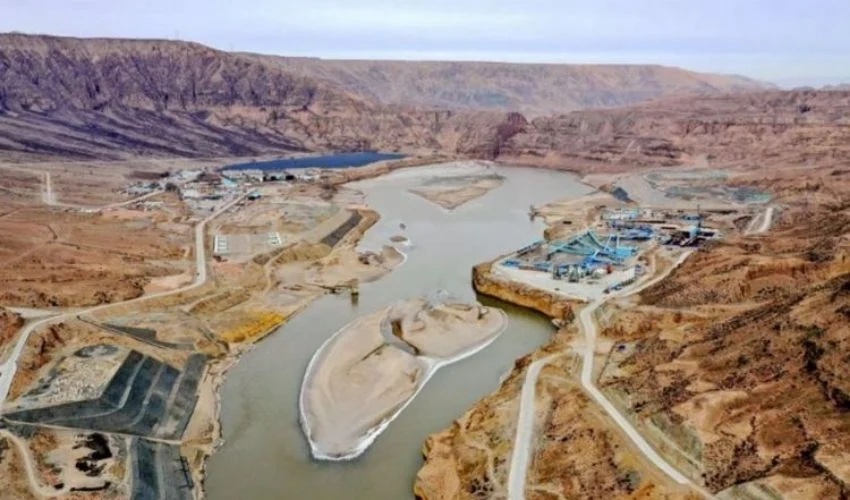 NewsDam Project in China to Be Worlds Largest Robotic 3D PrintChina is already widely known for its focus on innovation and new technologies. Recently, the East Asian country announced, that it will be relying on additive manufacturing in addition to artificial intelligence to build a dam on the Tibetan Plateau.…