Materials
PLA vs PETG: Which Material Should You Choose?
When most people think about 3D printing, the material that comes to mind is usually plastics. Though there are, of course, other materials, including metal and ceramic, polymers still make up the majority of the market for 3D printing materials.…
- 3 min read
- Materials
- Six more stories
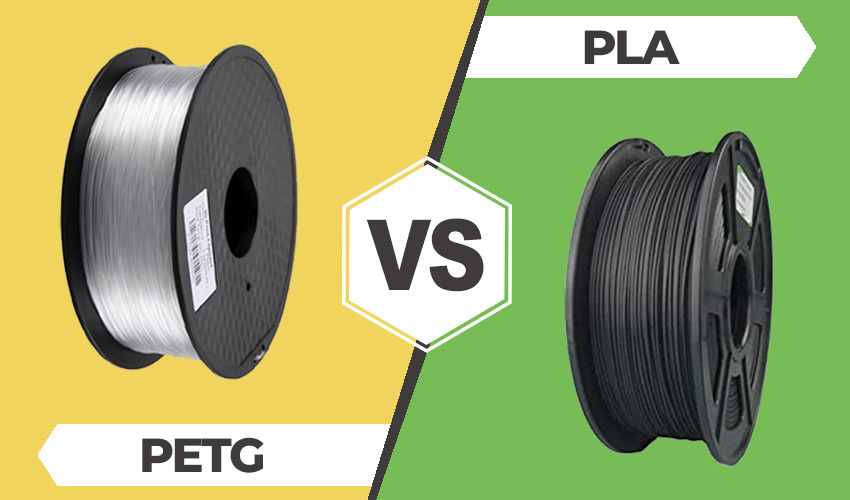
When most people think about 3D printing, the material that comes to mind is usually plastics. Though there are, of course, other materials, including metal and ceramic, polymers still make up the majority of the market for 3D printing materials. This is because they can be used not just for industrial applications, like prototyping, but they are also often the material of choice for desktop printers, especially those using fused deposition modeling (FDM) processes. Out of various materials, one of the biggest popularity competitions is undoutedly PLA vs PETG.
Known for ease of printing, these two materials are made into filaments that can be used by both beginners and experts with FDM printers. Though they are similar in several key ways, there are still significant differences between the two filaments. So what are the characteristics of the materials? How do they differ? When would you use one over the other? We took a closer look at both PLA vs PETG, comparing them to help you find the answers to these important questions and more!
Characteristics of PLA vs PETG
One of the major differences between PLA and PETG is of course how the two materials are made. PLA is known for being made out of renewable and natural raw materials like corn. It is also biodegradable under the correct conditions, making it a popular choice for those who are looking for sustainable, environmentally-friendly materials.
More from the desk
Six other notes from the rest of the bench.
 News3D Printed Bombs Are Helping With the Weapon Shortage in UkraineThe conflict in Ukraine continues to escalate with no end in sight. Arguably ongoing since 2014 when Russia annexed Crimea, the full-scale invasion of the country actually started in February 2022. Although the Ukrainians have fought valiantly, the death and…
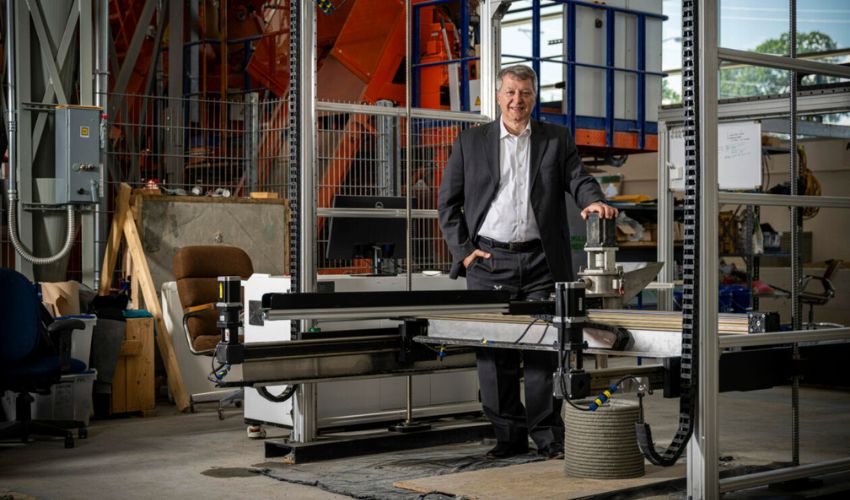 NewsUSACE Funds Research Into AI-Assisted, 3D Printed ConcreteAs much as additive manufacturing has benefitted the general public, the defense sector has also made great gains with 3D printing. So much so that additive manufacturing in the military is expected to be worth $1.7 billion in just a…
 Printersdp polar presents its AMpolar i2 solution for industrial scale productionAt Formnext, 3Dnatives saw for the first time in person the AMpolar i2 from German manufacturer, dp polar. This machine seeks to be an additive manufacturing solution for industrial scale production, it employs the manufacturer’s proprietary technology, called High-Speed Rotative
 News$1.25 Million Grant to Protect Hawaiʻi Using 3D Printed Environmental Hazard SensorsHawaiʻi faces a wide range of environmental hazards, including wildfires, drought, flooding, hurricanes, tsunamis, and water contamination. These risks are becoming more severe as the climate continues to change, raising urgent questions about how to protect both the islands and&
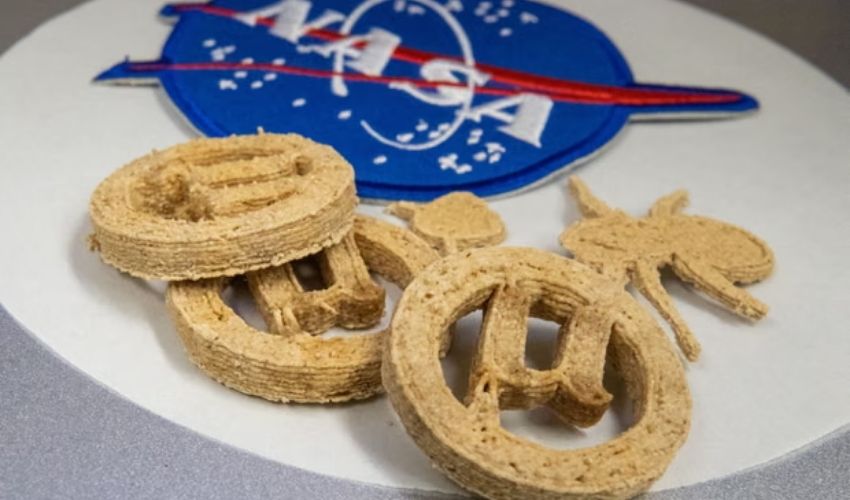 NewsHow the NASA-Backed Project µBites is 3D Printing Plastic-Derived Cookies for Space MissionsResearchers at Southern Illinois University (SIU) Carbondale are using biotechnology and 3D printing to explore whether plastic and agricultural waste can be turned into food for the µBites project. The team presented the project on August 24th at ACS Fall…
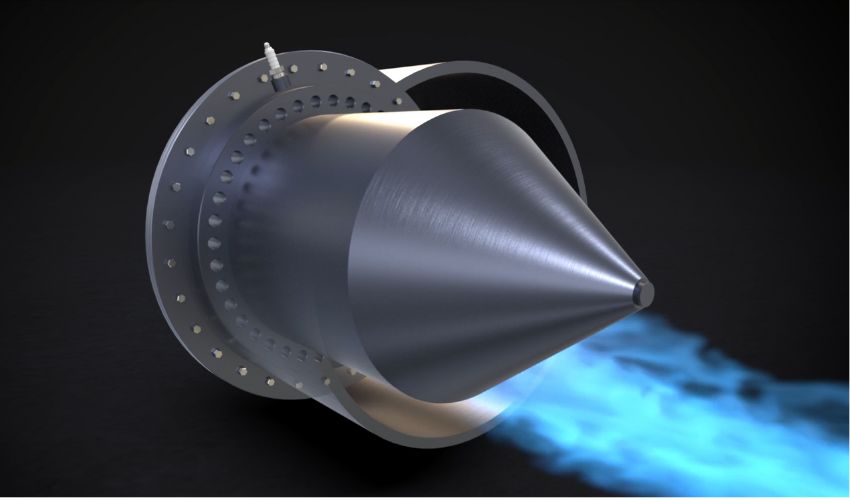 ApplicationsAfter Decades of Research, Additive Manufacturing Helps Unlock Rotating Detonation EnginesA rotating detonation engine is a kind of propulsion system that has been theorized about and researched for years, but this design only existed on paper and in prototypes. This year, a team of engineers at RTX built and tested…