Applications
After Decades of Research, Additive Manufacturing Helps Unlock Rotating Detonation Engines
A rotating detonation engine is a kind of propulsion system that has been theorized about and researched for years, but this design only existed on paper and in prototypes. This year, a team of engineers at RTX built and tested…
- 3 min read
- Applications
- Six more stories
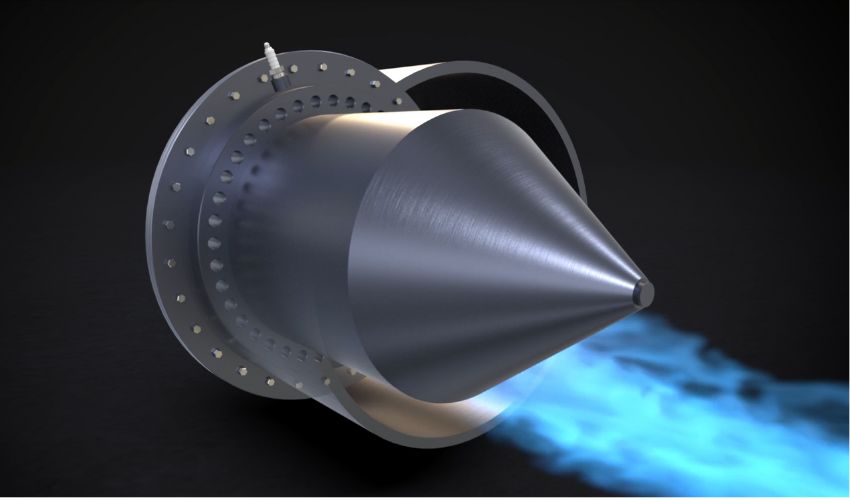
A rotating detonation engine is a kind of propulsion system that has been theorized about and researched for years, but this design only existed on paper and in prototypes. This year, a team of engineers at RTX built and tested one at scale. This propulsion system is unique because it requires no moving parts, and is lighter and more powerful than traditional engines. This test was a major victory for the RTX team, and they achieved it, in part, thanks to the use of additive manufacturing and other advanced technologies.
Rotating detonation engines have an enclosed, ring-shaped chamber where combustion occurs. When in flight, fast-moving air is drawn into the chamber, and a precise mixture of fuel is injected. This injection ignites a flame-like detonation wave that moves around the ring for as long as fuel is injected. This energy is then converted into thrust, which propels the vehicle forward.
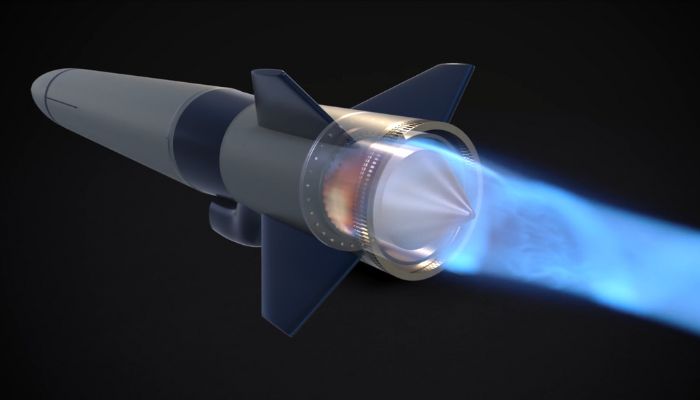
Rotating detonation engines are lighter and more powerful than traditional engines.
RTX tested its rotating detonation engine at the RTX Technology Research Center (RTRC) in Connecticut, where the engineers had access to specialized facilities for testing. This includes the Center’s Jet Burner Test Stand, one of a few in the United States, that is capable of reaching the airflow rates, temperatures, and pressures to emulate high-speed flight.
More from the desk
Six other notes from the rest of the bench.
 NewsStratasys – Desktop Metal Merger Falls ThroughIndustry giants Stratasys and Desktop Metal have frequently been in the news in the past few years, initially as both companies have undertaken their own mergers and acquisitions. in 2021, DM acquired companies EnvisionTEC and ExOne, specialists in DLP and…
 GuidesQuantica on NovoJet, its Truly Multi-Material 3D Printing TechnologyQuantica is a 3D printing startup hopes to reimagine material jetting, focusing especially on of high-performance and versatile materials. Earlier this year, news of the company’s successful Series-A funding made quite a splash in the 3D printing industry. This has…
 MaterialsExOne and ORNL team up to 3D print ceramic-metallic piecesUsing a powder bonding machine from ExOne, a team of researchers at the Oak Ridge National Laboratory (ORNL), the largest US Department of Energy science and energy laboratory, has developed a method for designing ceramic-metallic parts. The patent-pending process would…
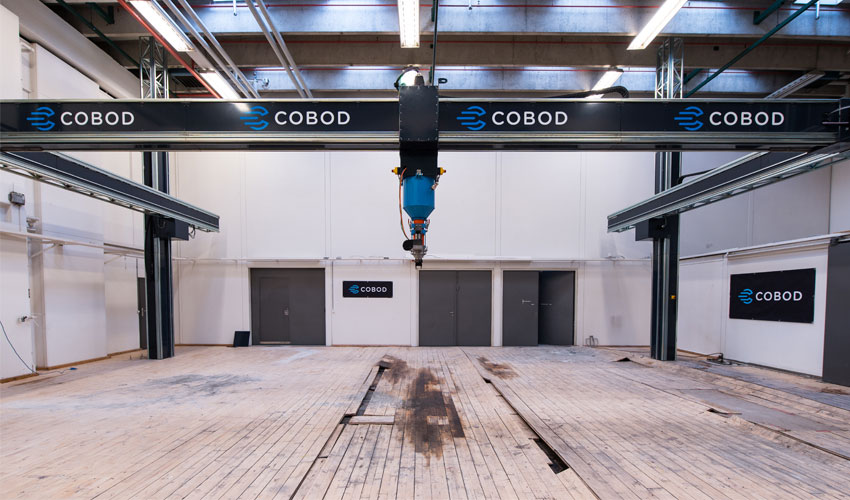 News3D Construction Printer from COBOD is Headed to Saudi ArabiaThe Danish manufacturer, COBOD International has just sold one of its 3D construction printers, the BOD2 to Saudi Arabia. More precisely, to the Saudi Arabian construction company Elite for Construction & Development Co. The BOD2 is an upgraded and improved…
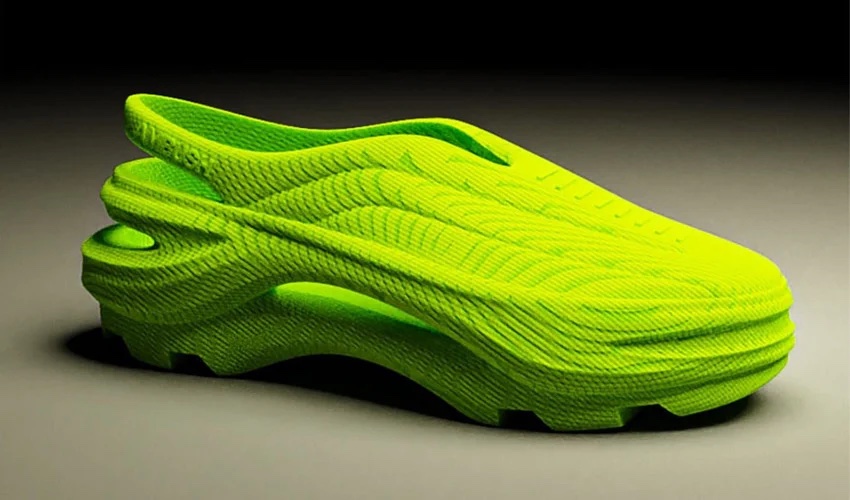 NewsAMBUSH 3D Prints a Shoe That is Wearable in the MetaverseShoe brand AMBUSH is launching a new project that is quite unique in the fashion world: Aapair of 3D printed shoes that can be worn both in the metaverse and in everyday life. The shoes which are called 100S were…
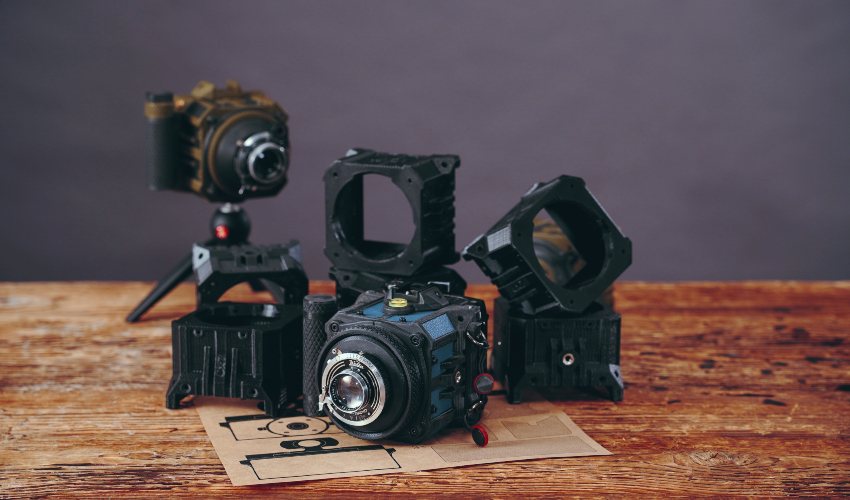 NewsDora Goodman Talks Open-Source 3D Printed CamerasWe spoke to Dora Goodman, founder of the self-titled company, Dora Goodman Cameras. Goodman and her team are passionate analog photography enthusiasts who conceptualize 3D printed medium format and pinhole cameras, as well as build one-of-a-kind custom film cameras based…