News
New Cafe Features 3D Printed Furniture from Coffee Grounds
In recent years, global efforts to implement the circular economy have significantly increased. A key component of this model is circular design, which focuses on developing products that are environmentally friendly and have a sustainable life cycle. A notable example…
- 3 min read
- News
- Six more stories
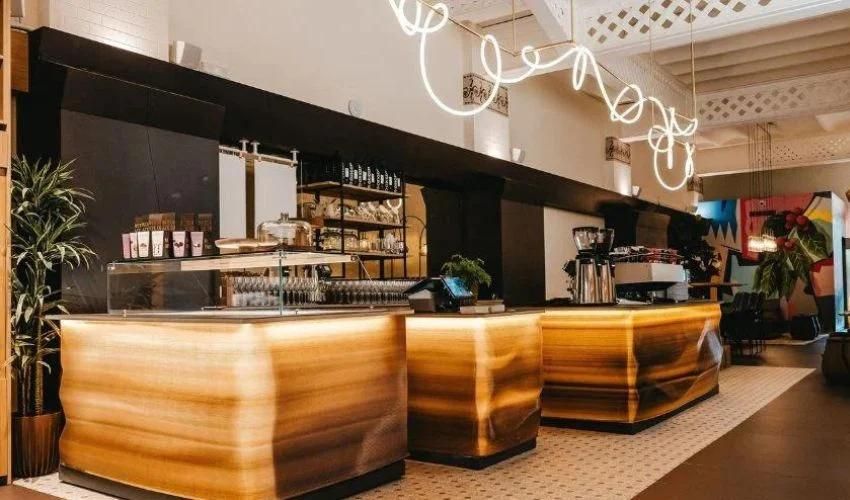
In recent years, global efforts to implement the circular economy have significantly increased. A key component of this model is circular design, which focuses on developing products that are environmentally friendly and have a sustainable life cycle. A notable example of this approach is a project aimed at promoting sustainability by redefining interior design. Spanish company Lowpoly has partnered with coffee roaster D-Origen to create 3D printed furniture for a new cafe in Barcelona. This innovative furniture, made from coffee waste, showcases the potential of 3D printing in sustainable design.
Coffee grounds are commonly used as plant fertilizer, for odor control, and in industrial applications such as biomass production. Despite these uses, a significant amount of coffee waste still ends up in landfills—just consider the number of coffee shops in any city to grasp the scale of this waste. Addressing this issue, Lowpoly and D-Origen have formed a remarkable collaboration that utilizes coffee grounds from the same coffee shop to produce furniture. Lowpoly developed an innovative material combining coffee grounds with recycled PLA, which they used to 3D print bars, counters, stools, and lights. These unique pieces are now featured in D-Origen’s Casa Calvet café, a modernist building designed by Antoni Gaudí.

Behind the design of the furniture are Gianluca Pugliese (founder of Lowpoly), Ilaria Marzano and Arturo Tedeschi, who used artificial intelligence and advanced digital design techniques to develop their idea. The furniture is made to measure and the unique shades are the result of using coffee as the main material. In fact, the material used is 98% organic, with the rest being recycled PLA. By using this type of material, the 3D-printed furniture is petroleum-free and therefore also biodegradable.
More from the desk
Six other notes from the rest of the bench.
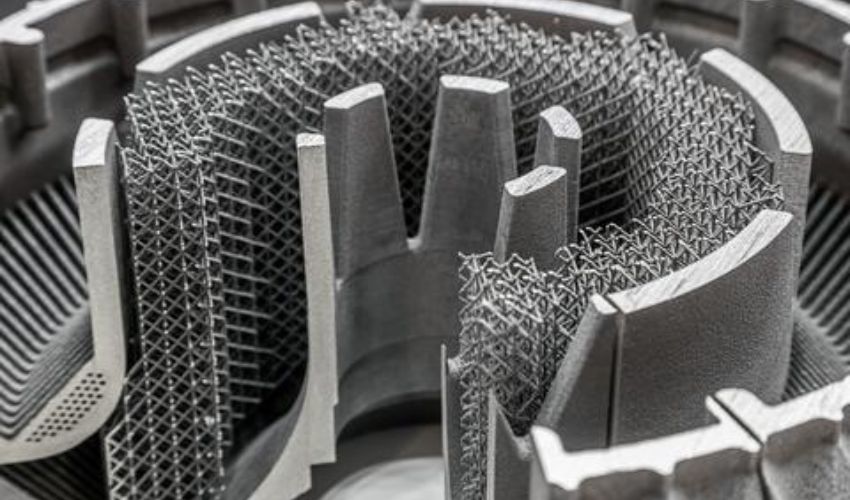 NewsNIST to Promote Metal Additive Manufacturing Through Nearly $4M in GrantsMore than ever, we are seeing that governments are investing in additive manufacturing as a way to promote more sustainable, clean manufacturing. The United States especially has been pushing the technology as a part of its build back better framework.…
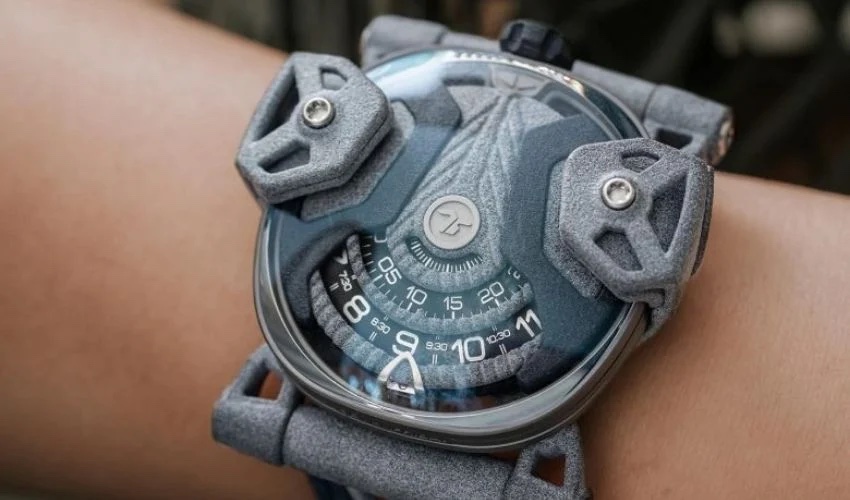 NewsFree-D, a Dynamic 3D Printed Watch Combining Traditional and Innovative TechnologiesSevenFriday, a company based in Zurich, offers lifestyle accessories such as watches and eyewear. From its beginnings, the company’s main objective has been to offer unique designs inspired by the industrial world. For 10th anniversary, SevenFriday certainly did not to&hell
 NewsRepairing Bridges with 3D Printing? UMASS Amherst Looks to Cold Spray AMBridge maintenance is a critical yet labor-intensive task, particularly due to the vulnerability of materials like steel to corrosion. According to the 2025 Report Card for America’s Infrastructure, only 49% of U.S. bridges are rated in “fair” condition, while 6.8%…
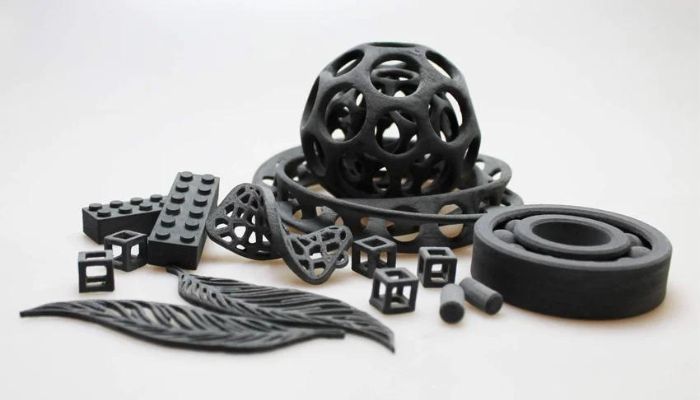 MaterialsPolymer 3D Printing Is Being Driven by Material and Technological InnovationsThe first 3D printing process invented was stereolithography, a method wherein a photosensitive polymer is hardened via a laser, putting plastics at the forefront of the market since the very beginning. Something that has continued to this day. Indeed, according…
 MaterialsAectual 3D Prints Planters From Recycled PlasticIn order to tackle the mounting issues concerning humanity’s ability to recycle plastic, many industries have turned to the additive manufacturing sector for solutions. For instance, a few weeks ago, we were talking to you about 3D printed beams made…
 SoftwareHoudini for 3D Printing: The Best Techniques for Modeling and Error PreventionDeveloped by SideFX, a Toronto-based software company, Houdini is a powerful solution for 3D modeling, animation and special effects. The software is particularly well known for its procedural approach and is mainly used in the film and gaming industry, especially…