Applications
New Alloy Turns Scrap Aluminum into High-Value Auto Parts
Researchers at Oak Ridge National Laboratory (ORNL) have developed a new aluminum alloy, called RidgeAlloy, that could transform how recycled scrap is used in the automotive industry. By turning low-value post-consumer aluminum into structural materials, the innovation could redu
- 3 min read
- Applications
- Six more stories
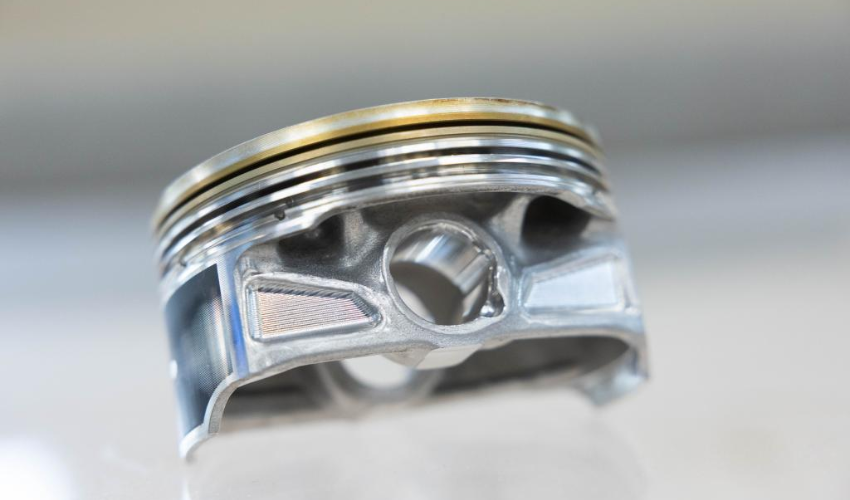
Researchers at Oak Ridge National Laboratory (ORNL) have developed a new aluminum alloy, called RidgeAlloy, that could transform how recycled scrap is used in the automotive industry. By turning low-value post-consumer aluminum into structural materials, the innovation could reduce energy use, strengthen domestic supply chains, and reshape the future of car manufacturing.
The breakthrough comes at a critical time. Aluminum-intensive vehicles, such as Ford’s F-150 trucks, began entering the U.S. market in 2015. By the early 2030s, many of those vehicles will reach the end of their lifespan, producing an estimated 350,000 tons of scrap aluminum sheets each year. Until now, most of this material has been downcycled into low-grade castings or exported overseas, since impurities from shredding made it unsuitable for high-performance parts.
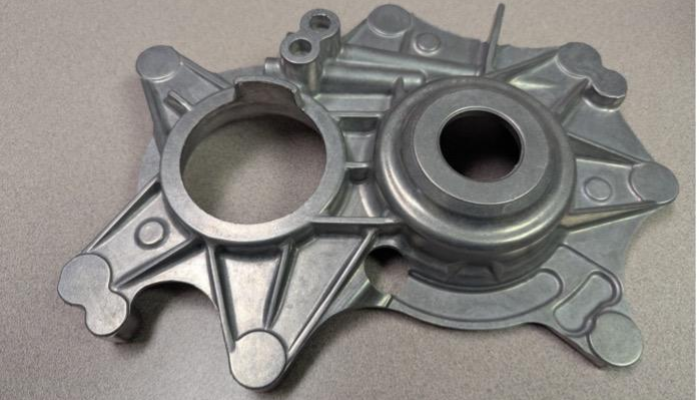
With RidgeAlloy, that barrier may finally be overcome. The new material was created by remelting post-consumer aluminum and recasting it with a blend of magnesium, silicon, iron, and manganese. Advanced tools such as high-throughput computing and neutron diffraction helped the ORNL team predict and fine-tune the alloy’s properties. The result is a recycled material that meets the strength, ductility, and crashworthiness standards needed for structural components like underbodies and frames.
More from the desk
Six other notes from the rest of the bench.
 NewsTop 5 Videos: 3D Printing for Formula SAE Race Cars!We’re back with another Top 5 Videos related to the 3D printing industry, and as always, we have videos you don’t want to miss. First up, watch our exclusive interview with Kilometro Rosso and Polimarche Racing to learn how they’re…
 GuidesANTINSKY’s Approach to Simplifying Desktop 3D Printing for UsersAs desktop 3D printing continues to expand across fields such as design, education, dentistry, and small-scale manufacturing, users are increasingly looking for solutions that go beyond hardware alone, with materials, reliability, and workflow simplicity becoming just as importan
 NewsTOP 5 Videos: Trumpf and metal additive manufacturing …This week, Trumpf talks to us about metal additive manufacturing and more particularly about its TruPrint 5000 solution which incorporates particularly interesting features for the aerospace industry. Thanks to a reduced residual stress, the parts produced benefit from better geo
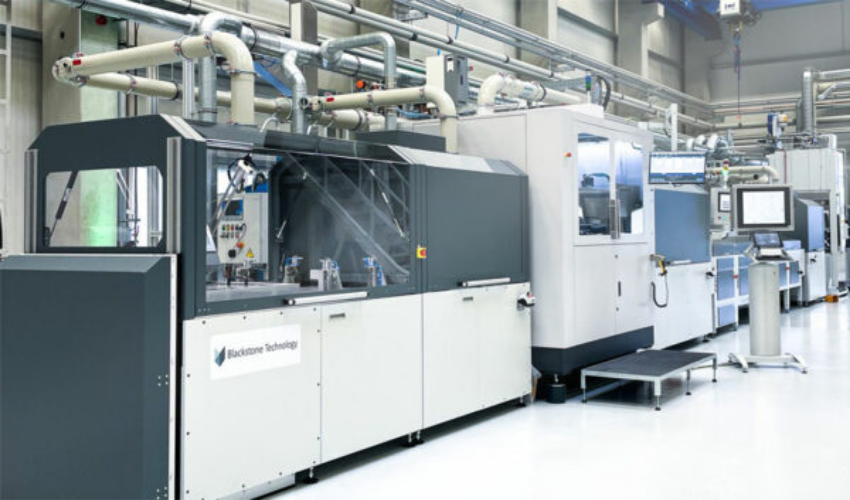 NewsBlackstone Resources 3D-Prints More Efficient Battery CellsFounded in 1995, Swiss company Blackstone Resources specializes in battery production, using additive manufacturing to design lithium-ion battery cells with a 20% higher density. Thanks to its patented Thick Layer Technology process, the company intends to develop batteries that
 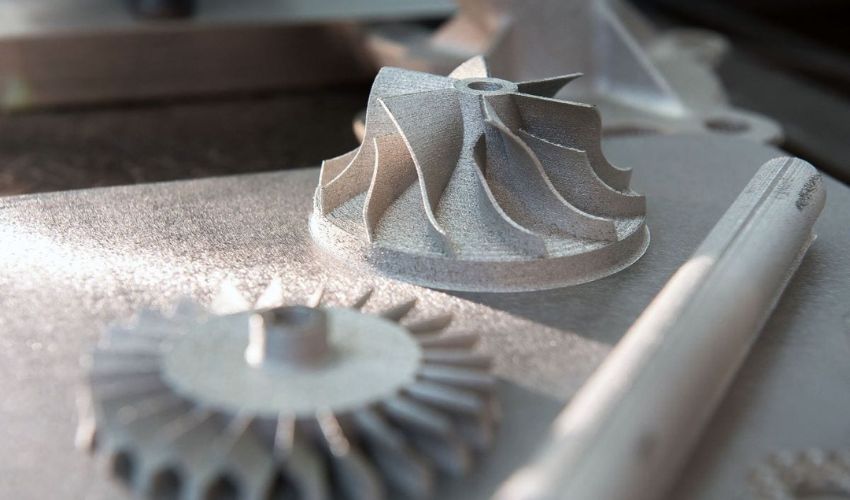 MaterialsNIST Announces Metal 3D Printing Breakthrough Which Could Help Spur Wider AdoptionOne of the biggest obstacles to widespread adoption of metal additive manufacturing is that we still have large gaps of understanding about what happens to the material during the process. More specifically, there are few tools which can show what…
 NewsApple Unveils “Apple You”: A 3D-Printed Personalized Product LineIt has long been Apple’s mission to make technology feel intuitive, seamless and, above all, personal. The name is literally iPhone. Now, the Silicon Valley tech giant is taking that philosophy one step further. On March 31, Apple quietly announced…