Materials
NIST Announces Metal 3D Printing Breakthrough Which Could Help Spur Wider Adoption
One of the biggest obstacles to widespread adoption of metal additive manufacturing is that we still have large gaps of understanding about what happens to the material during the process. More specifically, there are few tools which can show what…
- 3 min read
- Materials
- Six more stories
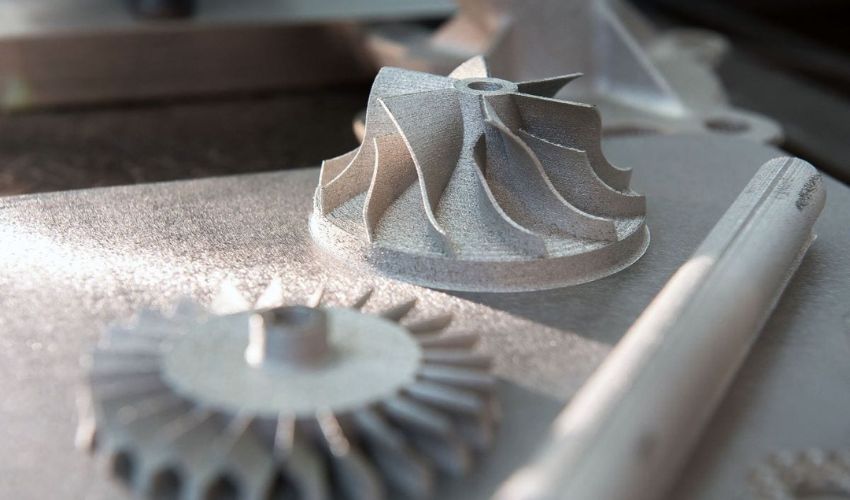
One of the biggest obstacles to widespread adoption of metal additive manufacturing is that we still have large gaps of understanding about what happens to the material during the process. More specifically, there are few tools which can show what happens to the internal structure of different metals as it is melted and then solidified during printing. However, this issue may be a thing of the past. The National Institute of Standards and Technology (NIST), KTH Royal Institute of Technology in Sweden and other institutions have announced a breakthrough in the ability to predict and control the characteristics of metal 3D printed parts. This has the potential to improve the technology’s consistency, making it more feasible to adopt it for large-scale manufacturing.
This is not the first time that NIST has shown interest in metal 3D printing. Just last year, not long after the Biden Administration launched its AM Forward Initiative, the institution awarded about $3.7 million in grants to address current and future barriers to adoption of metal additive manufacturing. These projects centered on addressing topics such as determining key material properties for quality control in AM as well as establishing data-driven frameworks for nondestructive qualification of AM materials and parts. The latter especially is a topic of some consideration as AM is being increasingly adopted for even security-critical applications in various sectors. This latest breakthrough seems to be operating within the same vein.
Turning to the Past to Improve Metal AM in the Future
The news comes on the heels of another announcement from NASA that it would be further investigating ways to improve certification and qualification for metal 3D printed parts. Indeed, this trend is one that has been a long time coming. 3D printing is only gaining in popularity thanks to its benefits in terms of lower costs and lesser waste. But issues surrounding qualification and continued consistency for part properties has made even wider adoption difficult. NIST hopes that this discovery could change that, as it will grant what they consider to be an unprecedented level of mastery over metal 3D printing. And to do this, they actually turned to the past.
More from the desk
Six other notes from the rest of the bench.
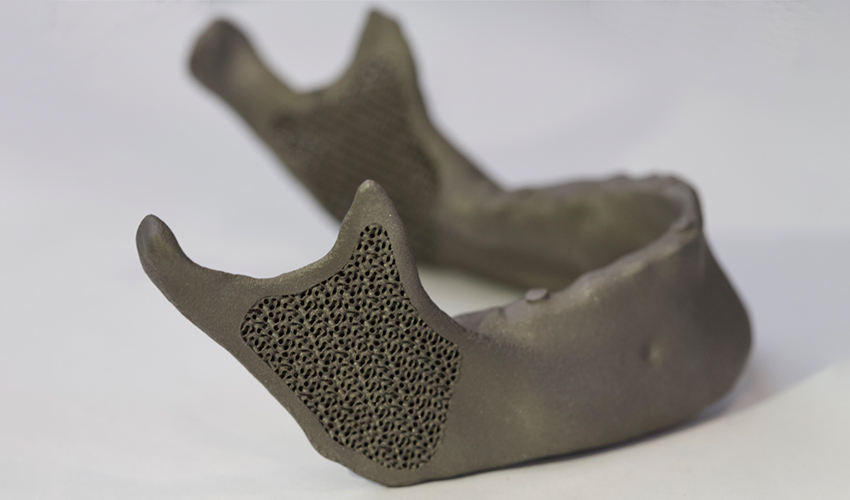 Guides#3DStartup: Pint Develops Advanced Metal Alloys for 3D PrintingAdvances in additive manufacturing technologies are enabling major companies in the industry to develop new and innovative solutions, not only in terms of machinery, but also with materials. In particular, metal 3D printing is gaining popularity in all kinds of…
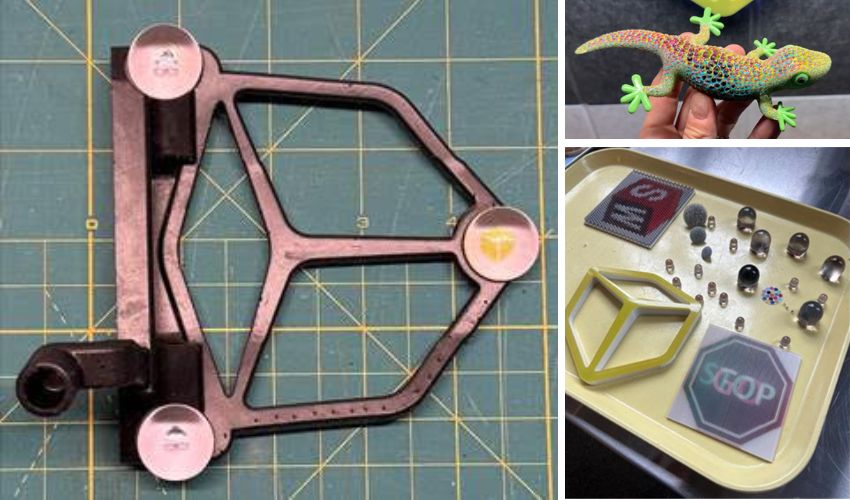 NewsMastering the 3D Printed Lenticular Effect: A New Dimension for MakersWhat if your 3D printed objects could change their appearance based entirely on the angle from which they are viewed? This fascinating optical illusion is known as the lenticular effect. Often compared to a holographic effect, the lenticular effect allows…
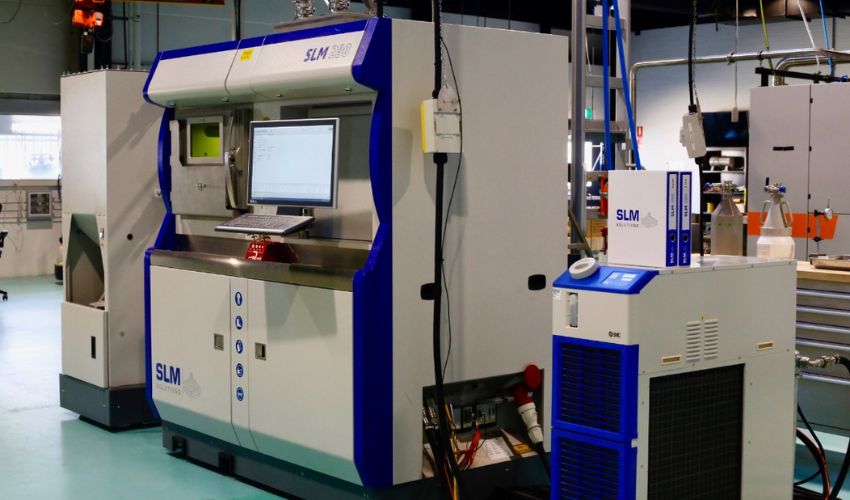 ApplicationsAustralia’s First Ever Multi-Metal 3D Printer Will Be Used to Boost the Aerospace SectorThe aerospace industry is constantly pushing boundaries, demanding ever lighter and stronger materials for its components, crucial for improving fuel efficiency, range, and overall performance of aircraft and spacecraft. Recently, Australia has made significant strides in this pu
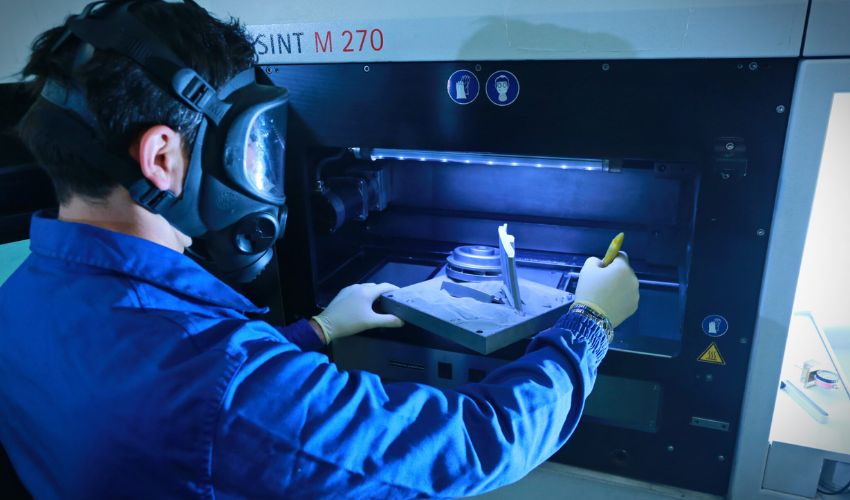 PrintersSafety in 3D Printing: What Protective Measures Need to Be Taken?More and more companies are currently becoming aware of the enormous benefits of additive manufacturing and want to integrate 3D printing into their workflows in the future. Time and cost savings as well as increased design freedom in everything from…
 NewsLa Pâtisserie Numérique develops a slicer for food 3D printing3D printing food presents a number of challenges even though it allows to create more complex shapes and geometries, adding originality to dishes. Marine Coré Baillais has set herself the goal of meeting these challenges by launching La Pâtisserie Numérique.…
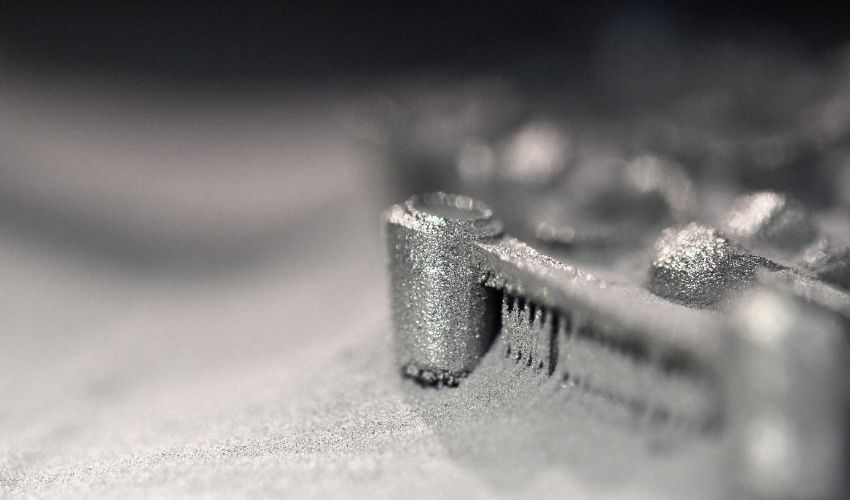 NewsWohlers Report 2024 Highlights the Growth of Metal Additive ManufacturingIt is once again that time of the year. Wohlers Associates, powered by ASTM International, has published their 29th annual report. The Wohlers Report 2024 has been compiled through surveys of the additive manufacturing industry, talking to 245 organizations including…