Guides
ANTINSKY’s Approach to Simplifying Desktop 3D Printing for Users
As desktop 3D printing continues to expand across fields such as design, education, dentistry, and small-scale manufacturing, users are increasingly looking for solutions that go beyond hardware alone, with materials, reliability, and workflow simplicity becoming just as importan
- 3 min read
- Guides
- Six more stories
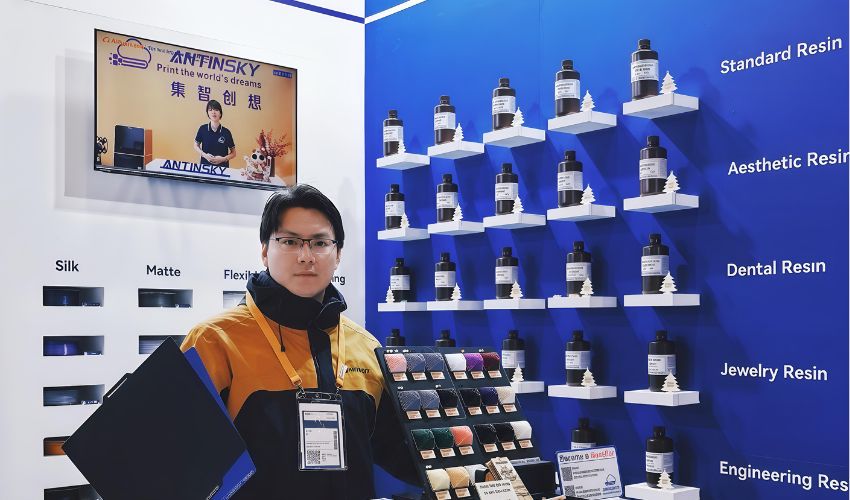
As desktop 3D printing continues to expand across fields such as design, education, dentistry, and small-scale manufacturing, users are increasingly looking for solutions that go beyond hardware alone, with materials, reliability, and workflow simplicity becoming just as important. ANTINSKY operates at this intersection, combining global distribution with the development of its own resins and accessories to support users at different stages of adoption. We spoke with Li Yi, Founder and CEO of ANTINSKY, about his background in additive manufacturing, how the company’s ecosystem model works in practice, and how ANTINSKY aims to make 3D printing easier and more reliable for a growing international user base.
3DN: Can you introduce yourself and explain your connection to additive manufacturing?
My name is Li Yi, and I am the founder and CEO of ANTINSKY. My connection to additive manufacturing goes back more than two decades. In 2004, my graduation project focused on reverse engineering. At the time, I worked with a well-known sanitary ware company to scan faucet models using a 3D scanner, refine the digital files, and produce physical parts using a 3D printer.
At that stage, 3D printing equipment and materials were expensive and largely limited to industrial or research environments. Seventeen years later, when I re-entered the 3D printing field, I was struck by how accessible the technology had become. Desktop printers and materials were now affordable for individuals, makers, and small businesses. That shift strongly influenced my decision to fully commit to the industry. I saw an opportunity to help make 3D printing easier and more practical for a wider range of users, which ultimately led to the creation of ANTINSKY.
More from the desk
Six other notes from the rest of the bench.
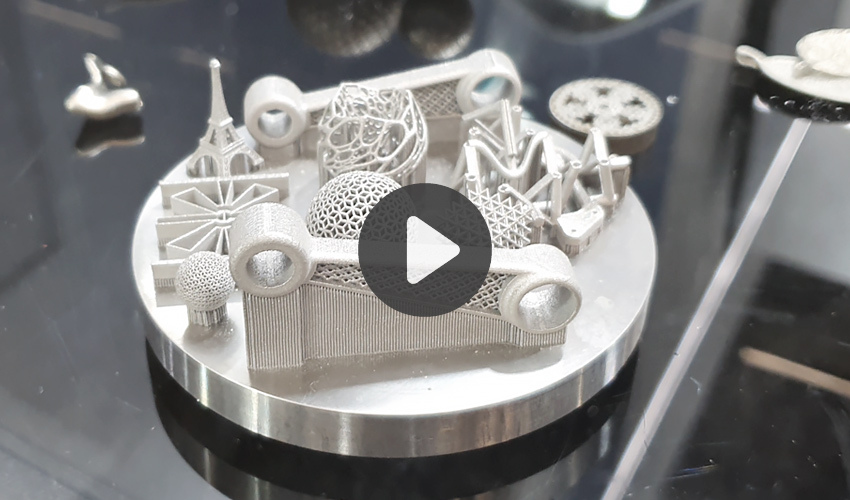 PrintersAlpha Laser Talks Metal 3D Printing Safety With the AL3D-METAL PrinterAs the name suggests, the German company Alpha Laser specializes primarily in lasers, but additive manufacturing has also become increasingly important for the company in recent years. In keeping with the spirit of the times in the industry, Alpha Laser…
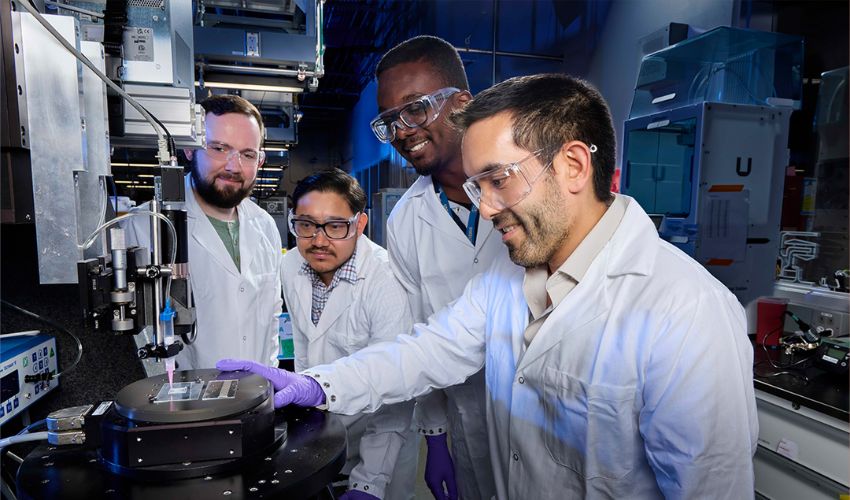 NewsLawrence Livermore’s AI Vision System Catches Direct Ink Writing Defects Mid-PrintDirect ink writing is one of those 3D printing technologies that has a process that can vary significantly. It’s not very commercialized, and mostly reserved for research labs. Now, a team of scientists and engineers at Lawrence Livermore National Laboratory…
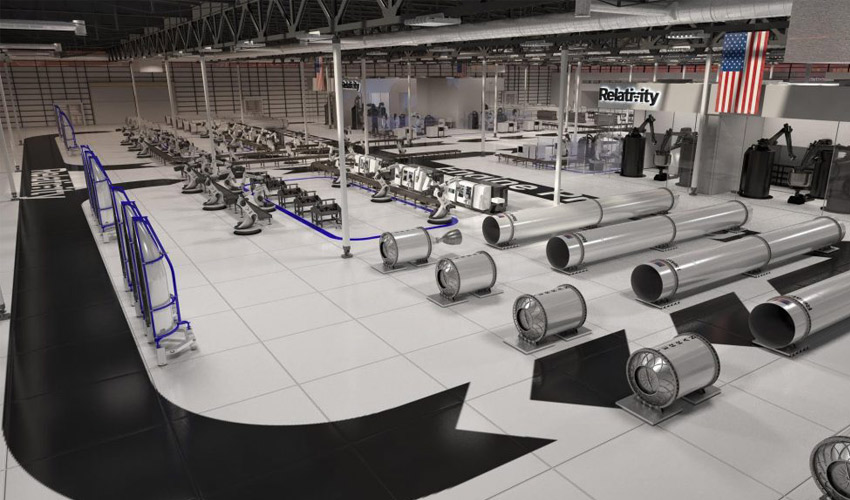 ApplicationsRelativity takes over NASA facility to set up 3D printing rocket factoryRelativity, the world’s first autonomous rocket factory and launch services leader announced at the beginning of June that it secured an agreement with the National Aeronautics and Space Administration (NASA). The company will install part of its production at one…
 ApplicationsFord Turns to SLA and SLS 3D Printing for the Electric ExplorerFord, one of the largest car manufacturers in the world, has set itself an ambitious goal: The company is aiming to have an all-electric passenger vehicle lineup in the EU by 2030. Leading the way in this initiative is the…
 ApplicationsWill 3D Printing Be Used for the First Commercial Mission to Mars?If you have been following along for a while, you certainly know that additive manufacturing is playing an important role in the aerospace sector and especially in space travel. Already it is being used for applications in missions to both…
 SoftwareZ-Suite, The Free Slicer from ZortraxIn the world of 3D printing, the quality of the final product depends not only on the hardware used but also on the software that prepares the files. That’s why we invite you to discover Z-Suite, a slicer developed by…