Applications
NASA Is Looking to Advance the Use of Metal 3D Printing for Spaceflight
It is common knowledge that additive manufacturing is extremely useful right here on Earth, but what about in outer space? For some time now, 3D printing has been considered to be one of the leading technologies for applications related to…
- 3 min read
- Applications
- Six more stories
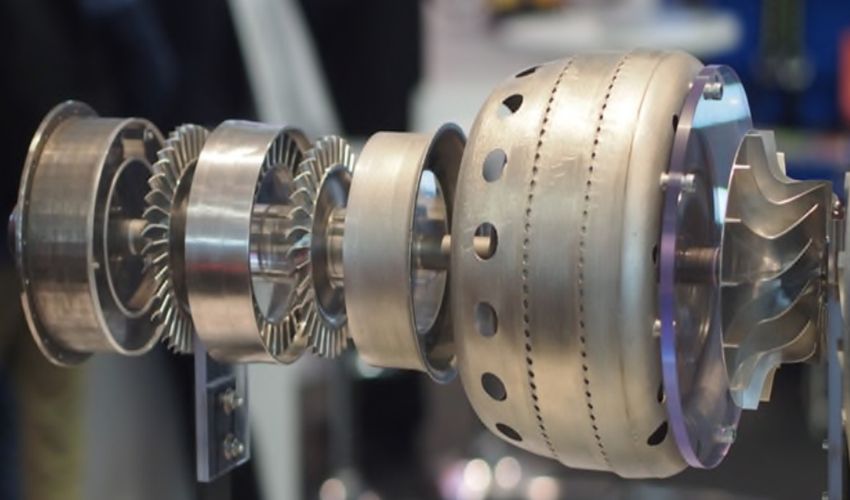
It is common knowledge that additive manufacturing is extremely useful right here on Earth, but what about in outer space? For some time now, 3D printing has been considered to be one of the leading technologies for applications related to space exploration. And that has been reconfirmed recently. NASA has announced that out of its two new Space Technology Research Institutes (STRIs), one will be dedicated entirely to the understanding and rapid certification of metal parts made using additive manufacturing technologies.
NASA is certainly no stranger to the use of 3D printing technologies. The agency has been a long-time adopter of AM, testing its capabilities for a variety of applications including the creation of rocket parts, 3D printed foods on the ISS and even the possibility of construction on extraterrestrial bodies. But this announcement shows even more clearly its commitment to the integration of new and innovative technologies like 3D printing as a way to advance its long-term exploration goals. Each institute will be led by teams at U.S. universities to create “multidisciplinary research and technology development programs critical to NASA’s future.” For this work, they will each receive up to $15 million over five years.
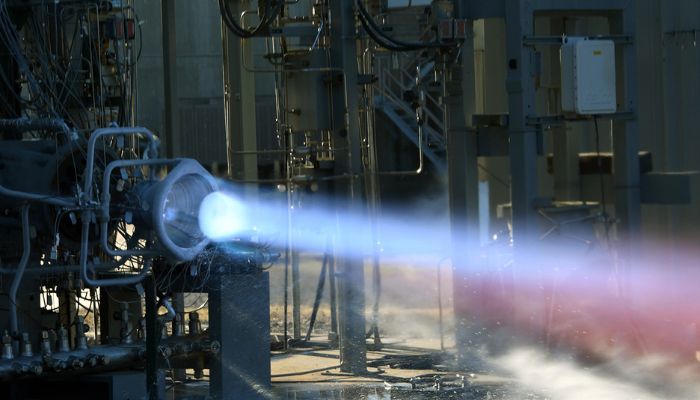
One of the STRIs will be dedicated to understanding and certifying metal 3D printed parts for spaceflight (photo credits: NASA)
Jim Reuter, associate administrator for the agency’s Space Technology Mission Directorate at NASA Headquarters in Washington, further explained, “We’re thrilled to draw on the expertise of these multi-university teams to create technology for some of our most pressing needs. Their work will enable next-generation science for studying our home planet and broaden the use of 3D-printed metal parts for spaceflight with state-of-the-art modeling.”
More from the desk
Six other notes from the rest of the bench.
 NewsDesktop Metal’s new strategic partnership with Indo-MIMDesktop Metal announced at RAPID + TCT 2019 that they have made a strategic partnership with Indo-MIM, the global leader and world’s largest supplier of Metal Injection Molding (MIM) precision-engineered products. Desktop Metal, founded in 2015 has made it its…
 NewsSAHIF Leads the Charge for Earthquake-Proof 3D Printed Housing in South AfricaEarthquakes are one of the scarier natural phenomena in the world. Though most are mild, those that are particular shallow or strong can cause unbelievable devastation such as the one that hit Turkey and Syria earlier this year which, according…
 ApplicationsU.S. Army Retrofits Detroit Arsenal Building with 3D Printed PanelsA new collaborative pilot project at the U.S Army’s Detroit Arsenal, located in Warren, Michigan, is set to showcase how large-scale 3D printing can be utilized to upgrade aging infrastructure with minimal disruptions. The project will bring together the National…
 Materials3D printing is a necessity for a colony on MarsMars is a long way away. At its closest, it’s 54.6 million kilometres away (9 months travel). At it’s furthest? 401 million km. This creates some problems for a manned landing, problems we are currently trying to solve. One of…
 NewsTop 5: Choosing A 3D Printing Material With Dassault SystemesHello everyone, and welcome back to our Top 5 of the week! We have an exciting selection of 3D printing video content for you as always, from Dassault Systemes and material choices to the use of additive manufacturing for consumer…
 NewsHow Can NFTs Be Used in 3D Printing?NFT, blockchain, Ethereum, Ether, cryptocurrency, eWallet, Metaverse…You’ve probably come across these terms often in recent months. After all, they can be found in numerous headlines and fuel the debate on whether digital asset trading is just another investment bubb