Materials
3D printing is a necessity for a colony on Mars
Mars is a long way away. At its closest, it’s 54.6 million kilometres away (9 months travel). At it’s furthest? 401 million km. This creates some problems for a manned landing, problems we are currently trying to solve. One of…
- 3 min read
- Materials
- Six more stories
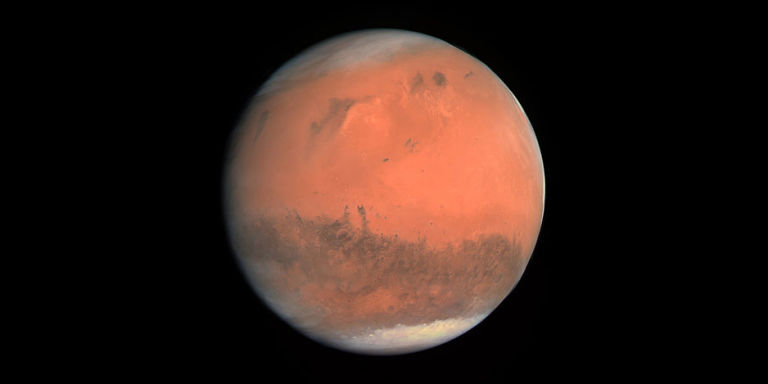
Mars is a long way away. At its closest, it’s 54.6 million kilometres away (9 months travel). At it’s furthest? 401 million km. This creates some problems for a manned landing, problems we are currently trying to solve.
One of these problems is sheltering our brave astronauts who land, which 3D printing can help with.
The supply problem: martian dust filaments?
The first breakthrough relevant to housing our astronauts is this year’s development in martian dust printing, by Ramille Shah and her team. This research used NASA-approved martian dust simulants, and managed to 3D-print structures from it. This dust has a similar shape and size to real dust, as well as a similar composition. Shah’s team used the dusts, some simple solvents, and biopolymer, to 3D print using an extrusion process. Over 90% of the structure was composed of dust after completion by weight.
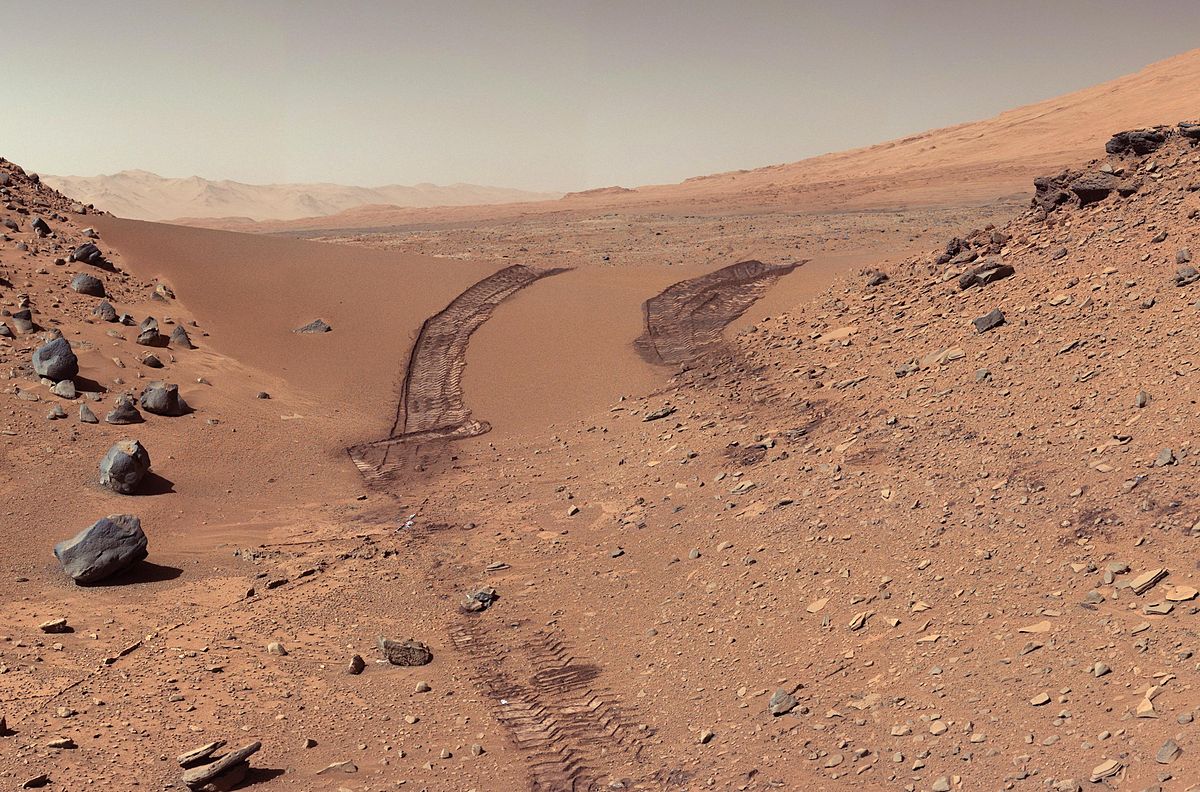
“For places like other planets and moons, where resources are limited, people would need to use what is available on that planet in order to live,” said Shah. “Our 3D paints really open up the ability to print different functional or structural objects to make habitats beyond Earth.”
More from the desk
Six other notes from the rest of the bench.
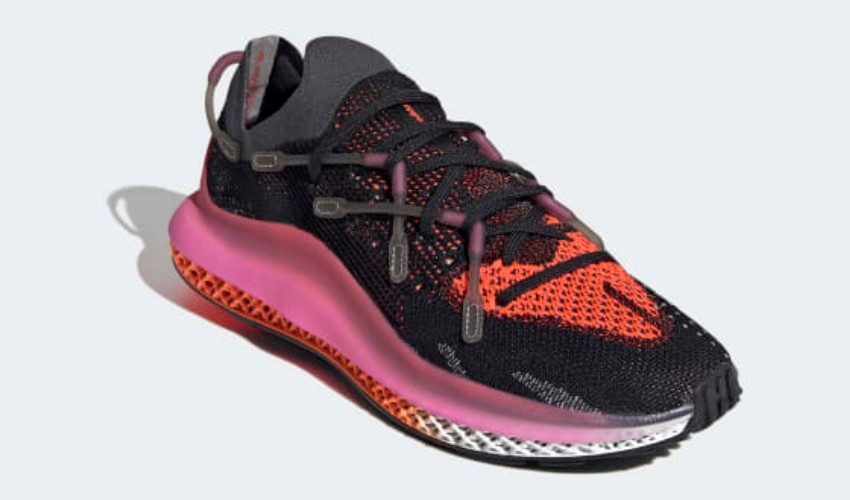 News4D Fusio, the new 3D printed sneaker from Adidas3D printed shoes are not so rare on the market anymore. Adidas alone has already released several models including the Futurecraft 4D, the ALPHAEDGE 4D and the FUTURECRAFT.STRUNG, which integrated a 3D printed midsole. Adidas will release a new model…
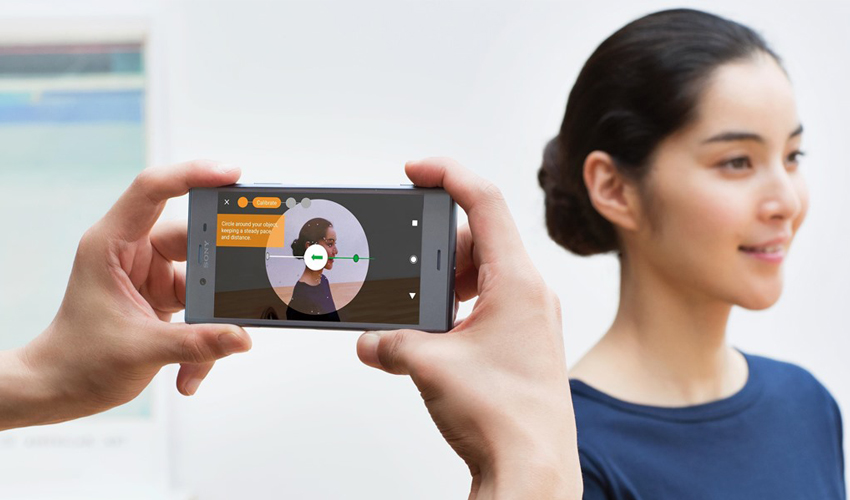 Printers3D scan directly into your Sony with the Xperia XZ1 and XZ1 CompactWhat if your phone could become your new 3D scanner? This is what the Japanese manufacturer Sony wants to offer with their new phones, the Xperia XZ1 and the XZ1 Compact. These two new phones will have the ability to…
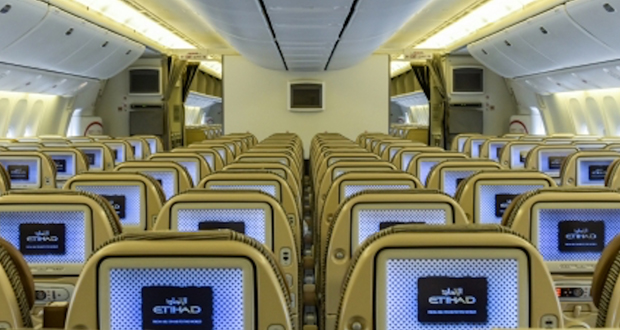 Applications3D printing technology is now taking on airplane interiorsWe may not even be half way through this year yet, but the innovations being made in the 3D printing world obviously haven’t needed that long to bring fourth new developments. This can be seen recently in new 3D printed jewelry collections,…
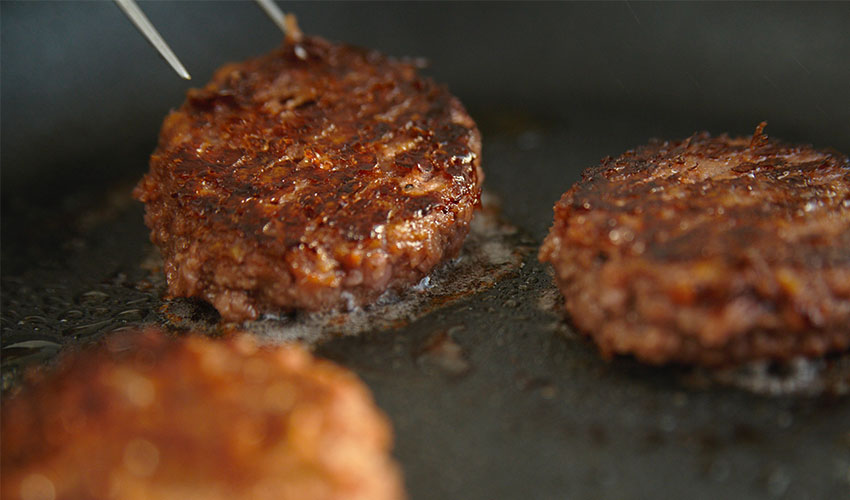 PrintersRedefine Meat raises $6M to bring its alternative meat 3D printer to marketBack in June, we shared with you the latest advancements in 3D printed meat. We had spoken to Redefine Meat, one of the key players in this market to learn more about the startup’s activities in the sector. The company…
 NewsTOP 5 videos of the week bioprinting, robots, space and more!A new selection of the best 3D printing videos of the week, just for you! Find our TOP 5 videos of the week below and tell us what your favorite video is in a comment or on our Facebook and Twitter page.…
 NewsIntroducing the Forward AM Innovation Award’s 4 Finalist Start-UpsAt the end of January, Forward AM, the brand of BASF 3D Printing Solutions, launched an international contest for start-ups using 3D printing for innovative concepts A total of 145 applications were submitted from 36 different countries. A few months…