News
Forma Foods Uses 3D Printing to Create Plant-Based Alternatives to Meat
We’ve already touched on the concept of 3D-printed meat through various pioneering companies in the sector, such as Redefine Meat and Steakholder Foods. Today, we turn our attention to start-up Forma Foods, which uses 3D printing to create plant-based alternatives…
- 3 min read
- News
- Six more stories
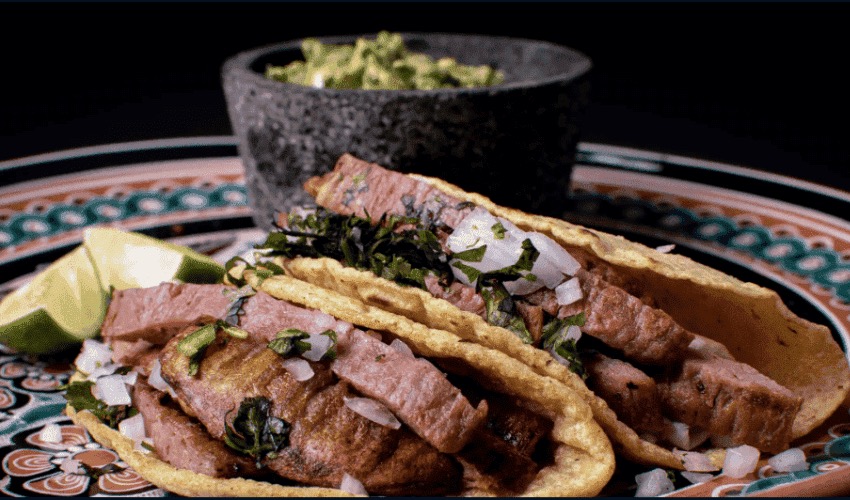
We’ve already touched on the concept of 3D-printed meat through various pioneering companies in the sector, such as Redefine Meat and Steakholder Foods. Today, we turn our attention to start-up Forma Foods, which uses 3D printing to create plant-based alternatives to meat. Their aim? To offer high-quality proteins that are accessible even in remote areas, while tackling the environmental challenges posed by factory farming.
Company founders Grissel Trujillo de Santiago and Mario Moises Alvarez, experts in tissue engineering, have developed a technique known as “chaotic printing.” This method makes it possible to create complex microstructures that reproduce the organization of animal tissues. Thanks to this approach, their plant-based products offer a texture, taste and appearance surprisingly close to that of traditional meat.
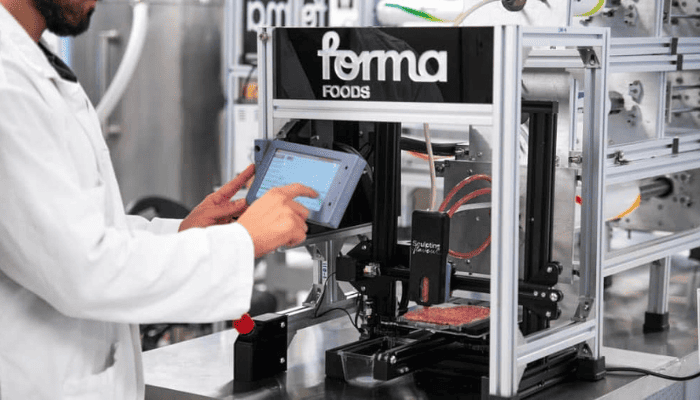
Forma Foods has developed its own 3D printing technology to make its plant-based meat
Transforming Mexican Cuisine With 3D Printing
Forma Foods is on a mission to reinvent classic Mexican dishes, such as Arrachera and carne al pastor, in a plant-based version. Their secret? A combination of ingredients: pea protein to simulate muscle structure, prebiotic fiber for connective tissue, and coconut oil to reproduce the texture of fat.
More from the desk
Six other notes from the rest of the bench.
 PrintersTop 5 Videos: Custom 3D-Printed Bicycle Seats From DQBD & StratasysIn this weekly video compilation, we will see how DQBD has implemented Stratasys 3D printing technology to create more comfortable, 3D-printed bicycle seats that are adapted to athletes. We will also be able to see the new test carried out…
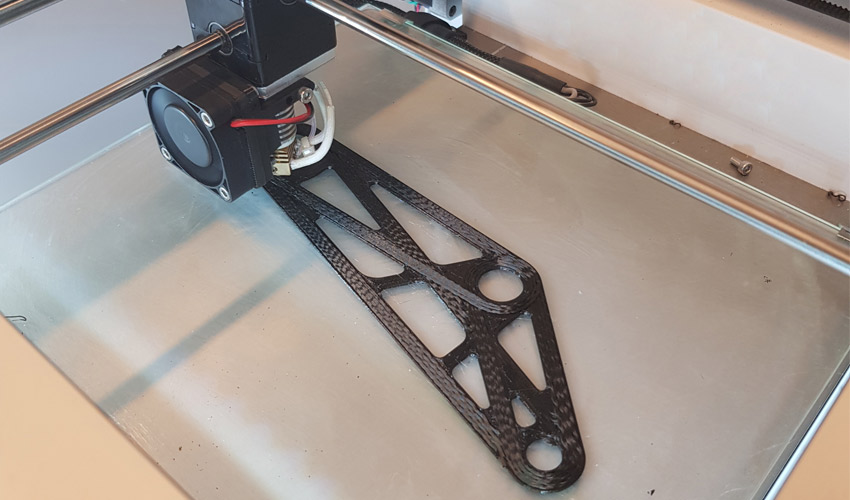 Materials9T Labs: 3D printing industrial grade carbon composites9T Labs is a young Swiss startup that has developed a 3D printing method to create structures with carbon composites. From the design of the part to its post-treatment, they optimize the entire process to allow professionals to obtain industrial…
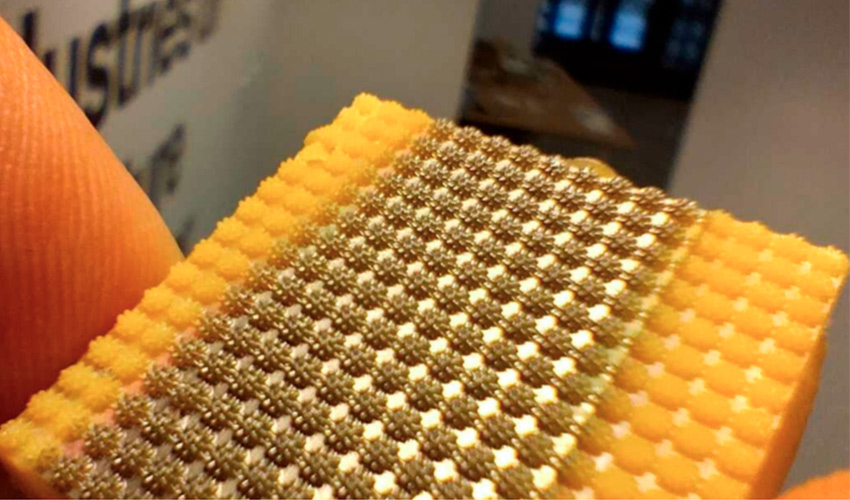 Guides3D Solar Discusses Using Additive Manufacturing in the Energy SectorWhen we talk about the sectors that have implemented additive manufacturing, the list is long. More and more companies are betting on its adoption in the production chain. We have already seen its use in industries such as automotive, consumer…
 ApplicationsIt Is Now Possible to 3D Print Artificial Cartilage for Living Tissue Replacement3D printing has reached new frontiers in the medical field, as a research team at TU Wien has achieved a breakthrough by leveraging a precise 3D printing process to produce artificial cartilage. This innovation enables the laboratory cultivation of living…
 NewsWhat Is the Takeaway From ADDITIV Metals World?It’s been just over a week since ADDITIV Metals World, and the energy from the event is still fresh in our minds. The event was a great reminder of how quickly the additive manufacturing landscape evolves, especially in the field…
 NewsSupport-Free 3D Printing with 90° Overhang Angles? A New Study Reveals How Standard FDM Printers Can Do ItFor a long time, standard 3-axis fused deposition modeling (FDM) printer operators have followed a general rule: if you want to print a horizontal overhang, you need to print a sacrificial support structure underneath it, otherwise the hot plastic will…