Materials
9T Labs: 3D printing industrial grade carbon composites
9T Labs is a young Swiss startup that has developed a 3D printing method to create structures with carbon composites. From the design of the part to its post-treatment, they optimize the entire process to allow professionals to obtain industrial…
- 3 min read
- Materials
- Six more stories
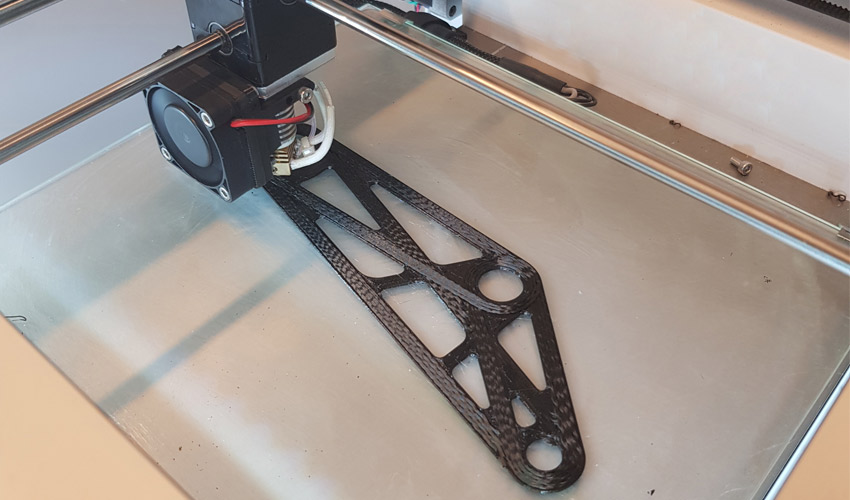
9T Labs is a young Swiss startup that has developed a 3D printing method to create structures with carbon composites. From the design of the part to its post-treatment, they optimize the entire process to allow professionals to obtain industrial quality components. Thanks to this process, 9T Labs can design parts with 60% volumetric carbon composite content, a material renowned for its strength but above all for its lightness. Its mechanical properties are often compared to those of metals. The startup also emphasizes the automation of its process and the recyclability of its materials in order to provide industrialists with viable solutions that increase productivity. We met 9T Labs’ Co-Founder and CEO, Martin Eichenhofer, to learn more about the technology developed, sectors concerned and future projects.
Can you present yourself and tell us more about your link with 3D technologies?
9T Labs was founded in February 2018 by Chester Houwink, Giovanni Cavolina and myself as a spin-off from the CMASLab chair of Prof. Ermanni at ETH Zurich, Switzerland. Our mission is to make industry grade carbon fiber composites more accessible using 3D printing technology. In this context, 3D printing is bringing automation and advanced software capabilities to a $80b industry, completely rethinking the way fiber composites are made to date.
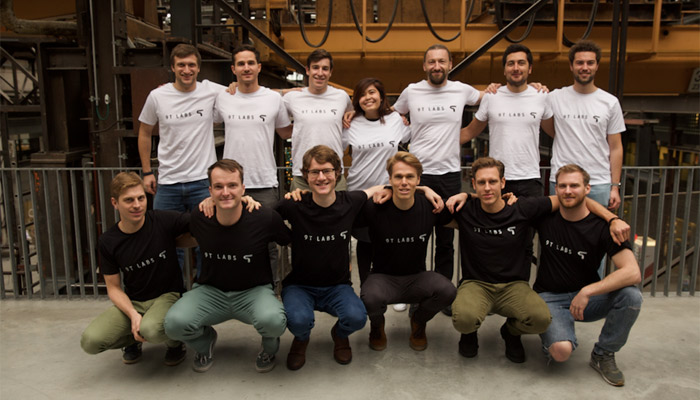
The 9T Labs team
How did 9T Labs come about?
Carbon fiber composites are a superior material in terms of weight and mechanical performance compared to its metal counterparts. Just imagine a material which is as light weight as plastic but as strong, or even stronger, than metal. However, the traditional and established manufacturing routes are still limiting a wide spread adoption of this performance material, mainly because of extremely long and expensive development times as well as a lack in automation. We realized the market potential and industry need for fully automated production systems with seamlessly integrated software solutions during our studies at ETH Zurich, which made us kick start the company.
More from the desk
Six other notes from the rest of the bench.
 Materials3D Printing Used to Create Titanium Alloy With Highest Strength to Weight RatioOne of the key to modern manufacturing is research and development into materials. Especially in industries like aerospace, materials that are both lightweight and extremely strong are critical for the parts that need to be made. Indeed, material research for…
 GuidesWhich 3D Printing Companies Have Raised the Most Money?The additive manufacturing sector has attracted many investors for a few years now, with several notable fundraisers sometimes followed by major acquisitions. Manufacturers, software publishers, startups, and other players around the world are taking advantage of the benefits of
 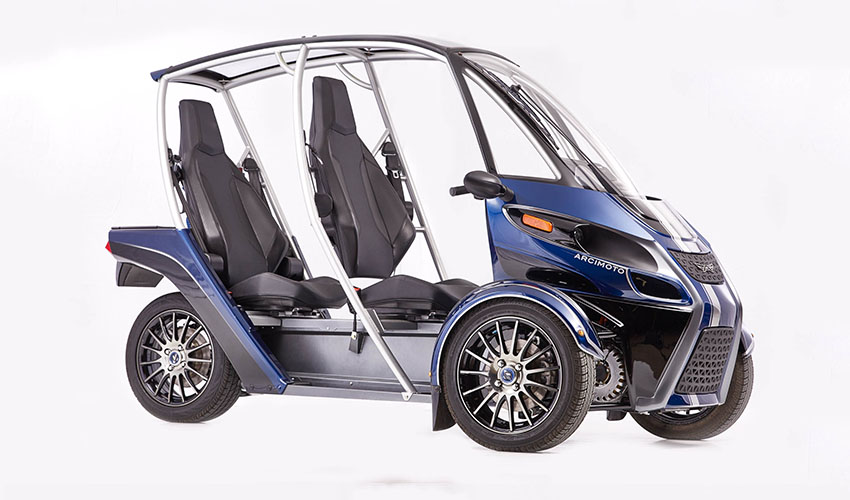 NewsBoosting performance of the Fun Utility Vehicle thanks to 3D printingIn industrial sectors such as automotive, additive manufacturing has an important role to play in designing optimized parts that improve vehicles’ performance. Thanks to design for additive manufacturing techniques, lightweight parts that don’t lose in strength can be fabricated.
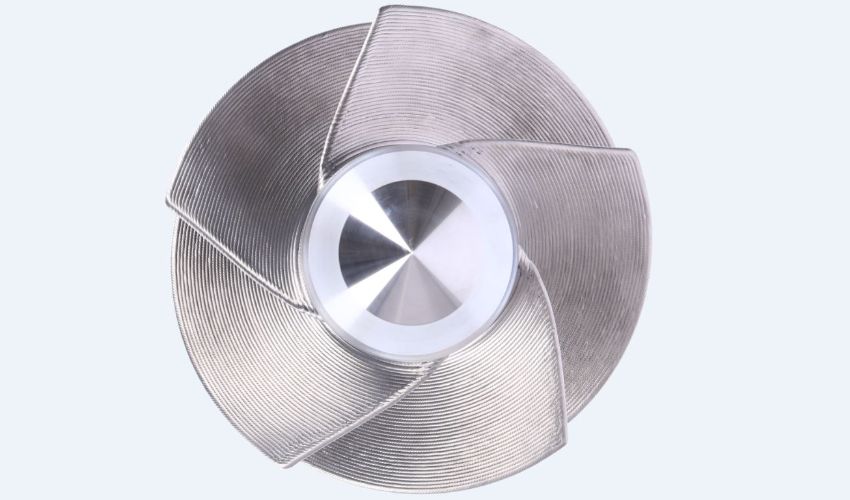 NewsCMT Additive Pro: Fronius Impresses With 3D-Optimized Welding ProcessThe flexibility in design and customization, the elimination of casting molds and the low material consumption paved the way for metal 3D printing and ultimately ensured its successful entry into various industrial applications. Nevertheless, metal additive manufacturing is not i
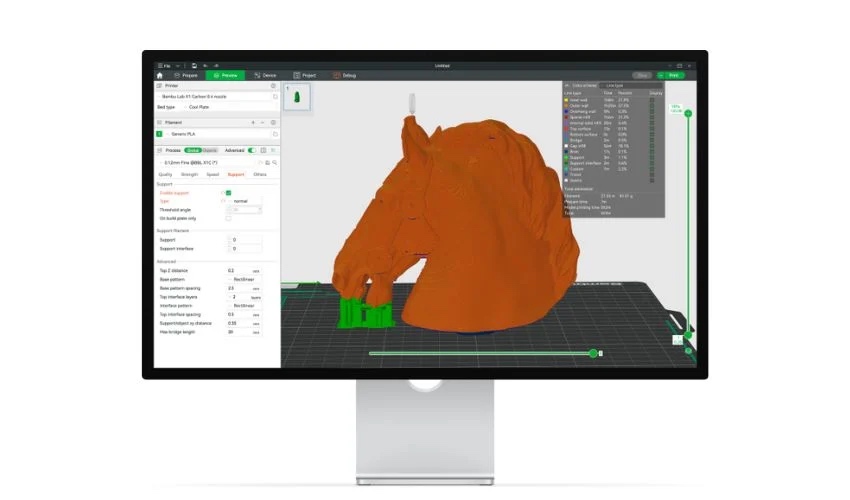 SoftwareAll You Need to Know about Bambu Studio, the Open-Source Slicer From Bambu LabPopular Chinese manufacturer Bambu Lab is currently one of the players dominating the consumer market for FDM 3D printers. The company is continuously working to outdo itself and recently announced the launch of new machines in 2025. In addition to…
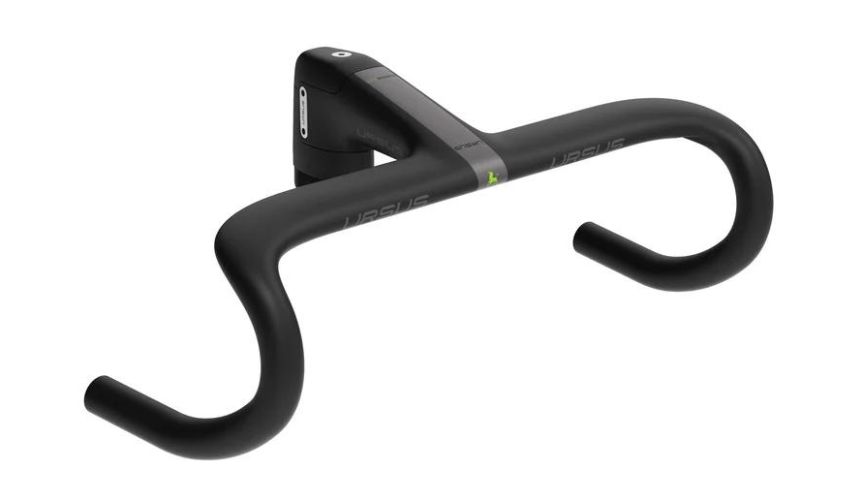 NewsWeerg and Ursus Worked Together to Make a Custom Handlebar With Additive Manufacturing3D printing is becoming increasingly popular in all industries where customization, design and performance meet. The ability to create complex structures as well as to use 3D printing for rapid prototyping and thus to test materials and properties quickly and…