Applications
Evonik and Laxxon to Produce More Effective 3D Printed Pills
Evonik Venture Capital, which deals with all kinds of applications related to the use of 3D technologies, has announced its investment in the Nevada-based Laxxon Medical. The goal: to produce 3D-printed tablets that will improve patient health thanks to better…
- 3 min read
- Applications
- Six more stories

Evonik Venture Capital, which deals with all kinds of applications related to the use of 3D technologies, has announced its investment in the Nevada-based Laxxon Medical. The goal: to produce 3D-printed tablets that will improve patient health thanks to better drug delivery. Since Evonik already has decades of experience in the field of active medical ingredients, it was an obvious choice for the company to invest in Laxxon. After all, the Nevada-based company has just developed a 3D screen-printing technology that makes it possible to produce structured tablets which can control the release of active pharmaceutical ingredients over time. In addition, this technology also allows multiple ingredients to be combined into a single tablet. This would take medicine to a whole new level.
Evonik has already been able to improve the medical field through its technologies for years and the production of special excipients, an inactive substance serving as the vehicle for a drug, among other things, is also high on the company’s agenda. For example, they found that the use of polymers can influence, for example, the time at which the active ingredient is released: whether immediately after ingestion, after a certain delay, or constantly over a longer period of time, a major advance in modern medicine.
Evonik expects this investment to accelerate its market activities (photo credits: Evonik)
Working Together to Improve the Medical Market
Laxxon was founded in 2017 by Helmut Kerschbaumer, Klaus Kühne and Achim Schneeberger in Switzerland, but the company is now headquartered in the USA and has a German and Swiss subsidiary. Using their new 3D screen printing technology, tablets can be easily produced with different active and inactive layers. The advantage of this structure of the drugs are two fold. On the one hand, it can enable individual releases of the active ingredient with only one tablet, meaning that depending on the needs of hte patient the drugs could be released immediately after being swallowed, after a certain delay or in a sustainaned release over time. This of course would increase the effectiveness of the drug in a patient’s bloodstream.
More from the desk
Six other notes from the rest of the bench.
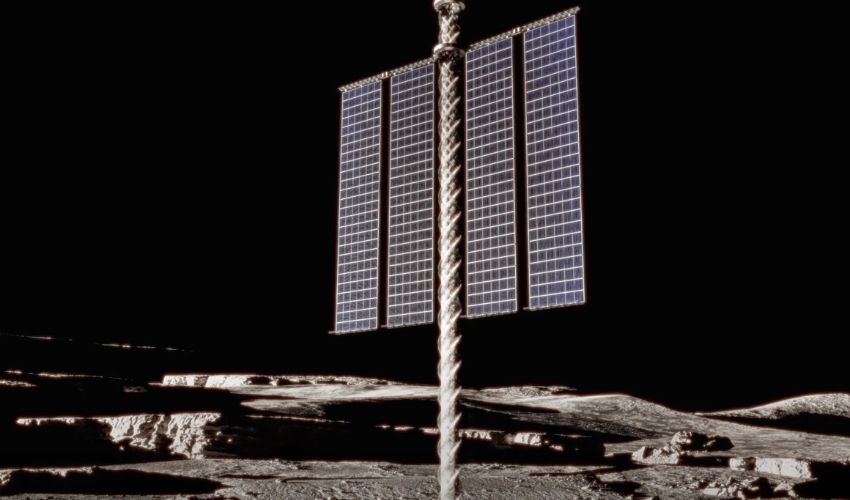 Applications3D-Printed Solar Tower Could Be the Solution for Energy on the MoonThe development of a sustainable presence in space, particularly on the moon or Mars, requires extensive infrastructure, such as power and communication networks. This is understood by the British architecture firm Foster + Partners, which, in collaboration with NASA and…
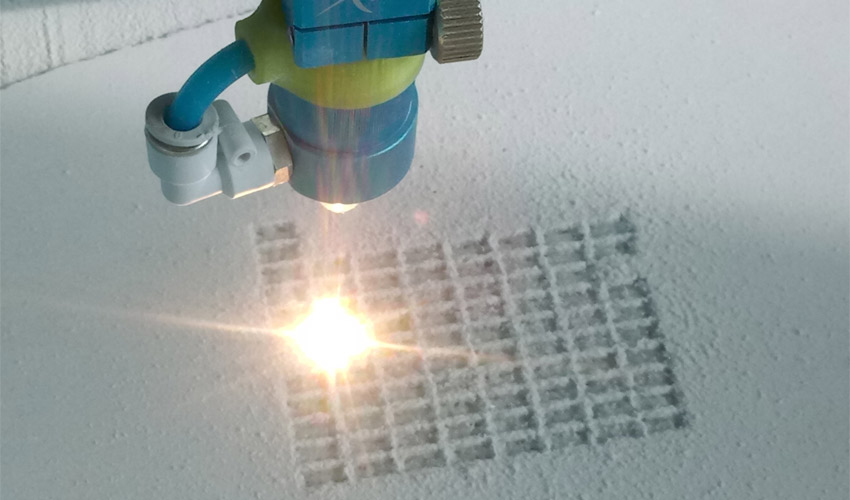 Materials#3DStartup: ING3D and its Mineral 3D Printing SolutionsBased in Germany, our startup of the month is ING3D which has developed a mineral 3D printing process inspired by powder sintering, called Mineral Direct Laser Sintering (MDLS). Thanks to this unique process, it is possible to design very light…
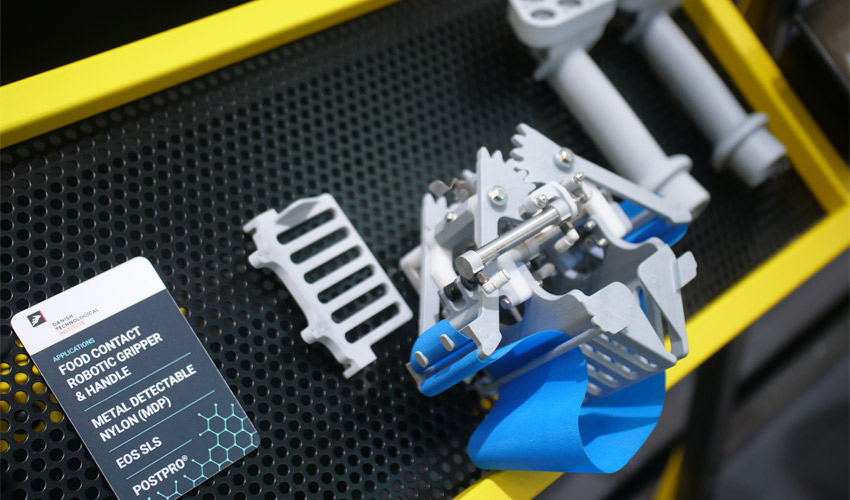 NewsHow to Unlock Additive for Industrial Applications with Vapor SmoothingIn any industry or sector, there are a number of necessary standards that must be met to ensure the proper functioning of certain parts, systems or services. The rise of additive manufacturing (AM) in many fields has led to the…
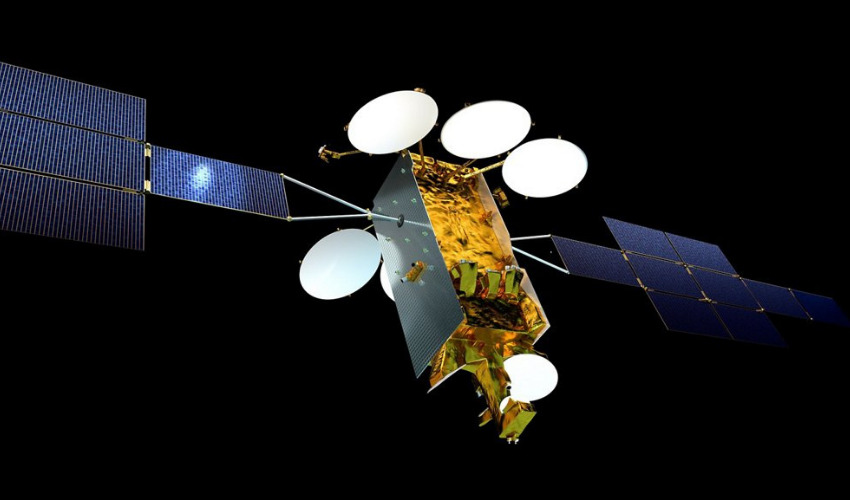 Applications3D printing goes to space on Airbus’ Eurostar Neo satellites3D printing is going back into space! Airbus has used Additive Layer Manufacturing (ALM) technology (otherwise known as 3D printing or additive manufacturing) for the creation of radio frequency (RF) components for two Eurostar Neo satellites which are planned to…
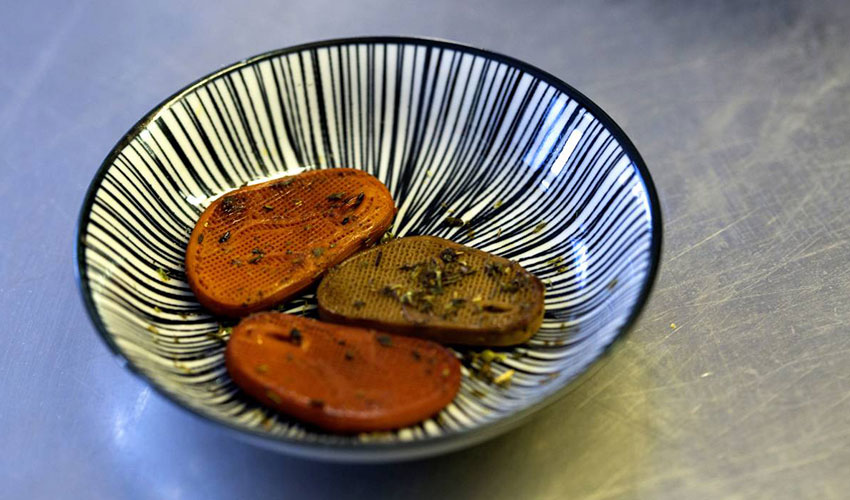 MaterialsThe 3D printed steak; a new way of eating meat?What if you could eat a 3D printed steak ? This seems surprising, but that is just what the Italian researcher Giusseppe Scionti of the Polytechnic University of Catalonia in Barcelona has proposed. He developed a project and modified a 3D fused…
 News3DExpress: Anker Makes Kickstarter History with $46 Million for eufyMake E1 PrinterWhen its Kickstarter campaign closed on June 28, Anker made history: with over 17,000 backers and $46 million in pledges, the tech company now holds the record for the most-funded campaign in Kickstarter history—surpassing the previous record of $41.7 million.…