Applications
3D-Printed Solar Tower Could Be the Solution for Energy on the Moon
The development of a sustainable presence in space, particularly on the moon or Mars, requires extensive infrastructure, such as power and communication networks. This is understood by the British architecture firm Foster + Partners, which, in collaboration with NASA and…
- 3 min read
- Applications
- Six more stories
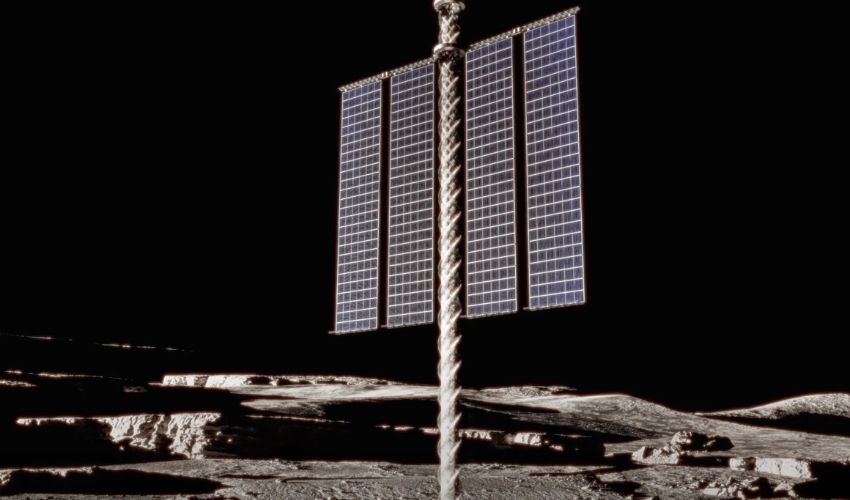
The development of a sustainable presence in space, particularly on the moon or Mars, requires extensive infrastructure, such as power and communication networks. This is understood by the British architecture firm Foster + Partners, which, in collaboration with NASA and the US company Branch Technology, has developed a 50-meter-high solar tower that is to be built on the surface of the moon using 3D printing. Foster + Partners is also part of a consortium founded by the European Space Agency (ESA), which is researching the possibilities of 3D printing for the construction of lunar dwellings. Branch Technology, on the other hand, is a company specializing in 3D printing that develops 3D printing systems that are also suitable for applications on the moon.
Developed as part of the Small Business Innovation Research (SBIR) program awarded by the National Aeronautics and Space Administration (NASA), the solar tower is currently in the development phase and can be viewed in the “From Earth to Space and Back” exhibition at the Kennedy Center until April 13, 2025. Featuring scale models, 3D-printed structures and films, the exhibition invites viewers to imagine a future on Mars or the moon.
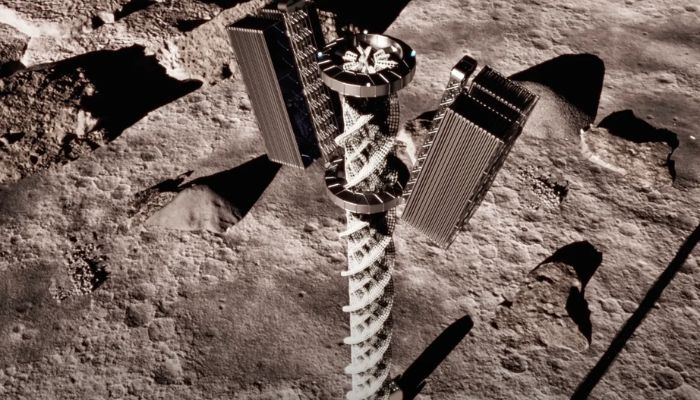
The design resembles a signpost and is 50 meters long in total. The fold-out solar panels are used to generate energy.
The aim of the 3D-printed solar tower is to supply future moon bases with energy and perform communication tasks. It will also serve as a permanent energy source for scientific missions and settlements on the moon. Foster + Partners also emphasizes that the solar tower is part of a larger vision for lunar infrastructure. This also includes habitable, 3D-printed structures, which the company has already presented in the past.
More from the desk
Six other notes from the rest of the bench.
 ApplicationsLightForce Secures $50 Million In Funding For 3D-Printed Orthodontic TreatmentsThe dental 3D printing market size is expected to reach $12.46 Billion USD by 2028 according to Emergen Research. Now, LightForce Orthodontics, the creator of a 3D-printed braces system that is fully customizable, has closed another round of funding that…
 NewsTop 5 Videos: Australian Army’s First-Ever Additive Manufacturing TeamIn this week’s Top 5 3D printing videos, we’ll check in with the Australian Army’s first-ever additive manufacturing field cell who recently completed field trials using the WarpSPEE3D metal 3D printer. Next, take a look at how HP is trying…
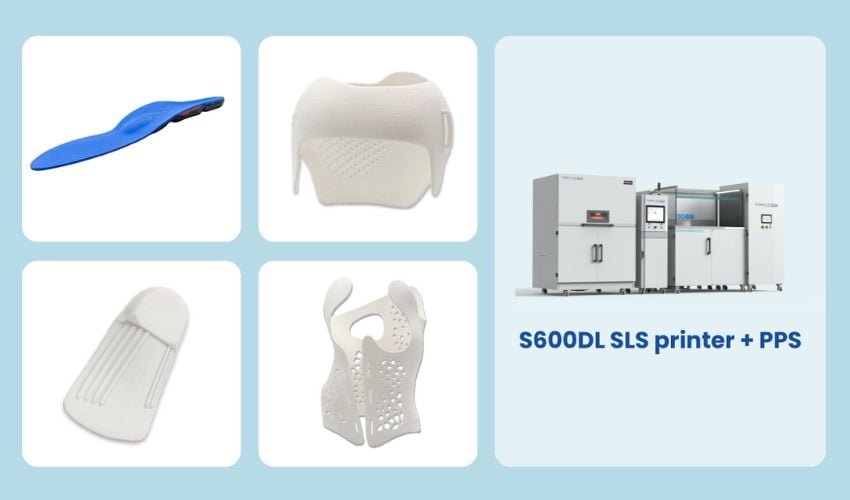 ApplicationsTPM3D Enables Edser to Deliver Faster and Better Orthotics Using SLS 3D PrintingOur lives are becoming increasingly connected, faster, more customizable, and adaptable to our individual wishes and needs. This phenomenon is evident in our communication, professional life, consumption, and in healthcare. Modern medicine aims to provide customized solutions tha
 NewsDesktop Metal to Acquire EnvisionTEC in $300 million dealDesktop Metal, Inc. announced today the signing of a definitive agreement to acquire EnvisionTEC, a leader in photopolymer 3D printing solutions for end-use parts, in a $300 million deal made out of cash and newly issued Desktop Metal stock. The…
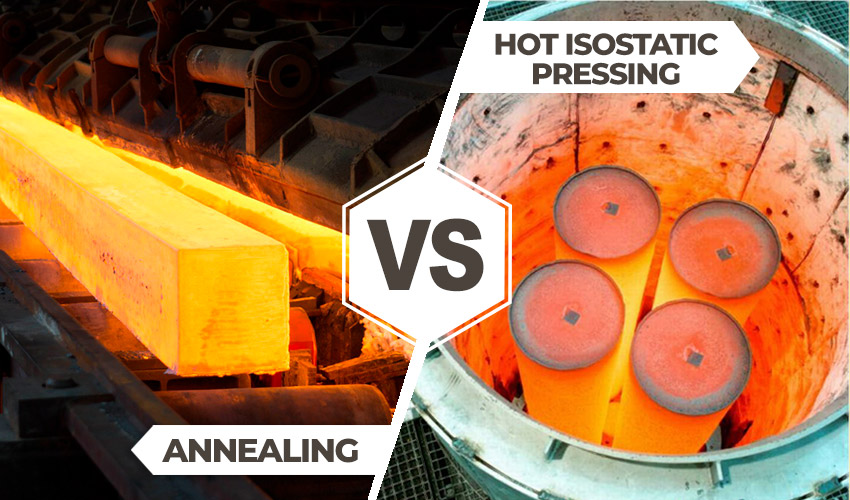 NewsHot Isostatic Pressing VS Annealing: Which Heat Treatment Should You Choose?As additive manufacturing continues to industrialize, post-processing is becoming ever more crucial. Through this critical stage, users can improve parts, making them stronger and denser or even giving them specific properties, ensuring they can be used for important end-use appl
 Guides#Working3D: Six Questions for a 3D Printing Biomedical EngineerToday we bring you a new installment of #Working3D, the series of articles in which we give insight into the different jobs available in the additive manufacturing industry. Specifically, we will go into detail on a position in one of…