Materials
What is the environmental impact of metal additive manufacturing?
Not so long ago, the Additive Manufacturer Green Trade Association (AMGTA) released its report on the environmental impact of metal additive manufacturing. Conducted by Jeremy Faludi of Delft University of Technology and Corrie Van Sice of Dartmouth College, the study…
- 3 min read
- Materials
- Six more stories
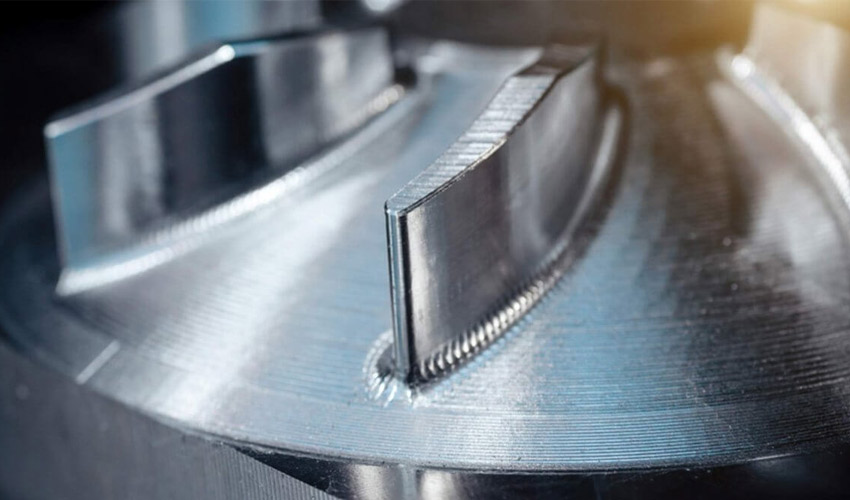
Not so long ago, the Additive Manufacturer Green Trade Association (AMGTA) released its report on the environmental impact of metal additive manufacturing. Conducted by Jeremy Faludi of Delft University of Technology and Corrie Van Sice of Dartmouth College, the study compares metal printing processes with traditional methods and asks whether they ultimately offer environmental benefits, in addition to the economic and functional benefits they offer in some cases. By conducting this survey, the AMGTA aims to elevate the debate: can companies plan responsible additive manufacturing strategies? Do metal 3D printing technologies offer a more sustainable future?
It is certainly a growing process: according to a Grand View Research study conducted this year, metal 3D printing is estimated to be worth $1 billion by 2020, experiencing a yearly 27% growth rate over the next few years. Combining different processes such as Laser Powder Bed Fusion, Directed Energy Deposition or EBM, metal additive manufacturing offers multiple advantages in production: design freedom, reduction in the total number of components and assembly steps, reduction in the weight of parts, personalization, etc. In some cases, and particularly for the design of small production runs, it has become an obvious alternative to traditional processes (as manufacturers are freeing themselves from the need to produce an expensive mold). But it is still a manufacturing method that is less well known, with challenges that still need to be established.
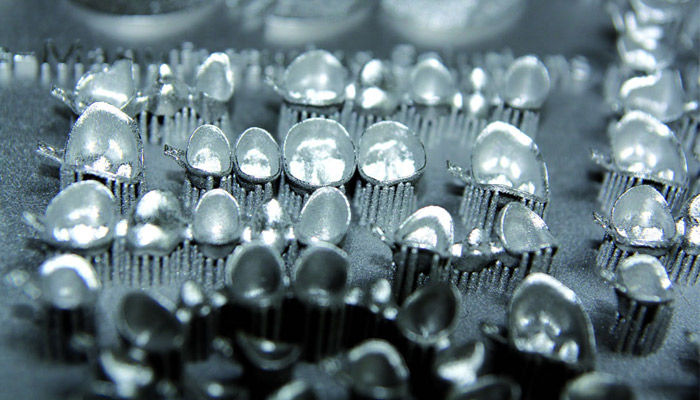
Metal additive manufacturing is particularly popular in the medical sector | Photo Credits: EOS
The environmental impact is one of them, and that is the focus of this study. The AMGTA states that it was carried out to “summarize current knowledge and identify areas where information is scarce, unclear and much needed“. The authors came to compare metal 3D printing and conventional manufacturing for each stage of a part’s life cycle, looking in particular at the impact of materials (especially stainless steel, aluminum and titanium) or their transformation. They also made this comparison by sector of activity, namely aerospace, automotive and medical, three industries for which metal AM has disrupted production processes.
More from the desk
Six other notes from the rest of the bench.
 PrintersThe Complete Guide to 3D Scanners using Laser TriangulationIn line with our files on 3D printing processes, we will be starting today with a new series dedicated to the different techniques of 3D digitization. While the origin of the first 3D scanners dates back to the 1960s, this…
 Guidesnonplanar.xyz provides the tools to use the z axis correctly in FDM printingWhilst a 3D printer has movement for 3 axis, x, y and z, it pretty much never uses them at the same time. Usually only x and y movements of the 3D printer nozzle are used to form the geometry…
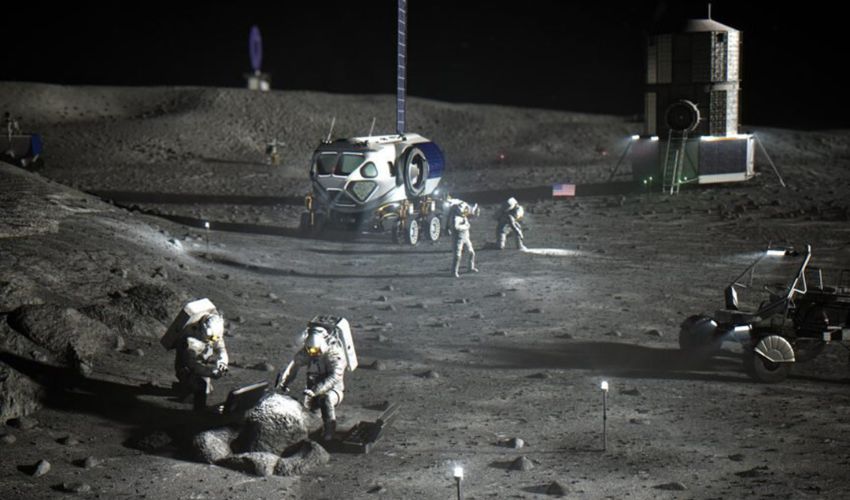 Applications3D Printed Lunar Regolith Bricks Can Withstand the Extreme Environments in SpaceSince the first space flight in the 1960s, humankind has dreamed of not just visiting the stars but of residing among them. Though living on the Moon or Mars might seem like science-fiction, it is actually something that is being…
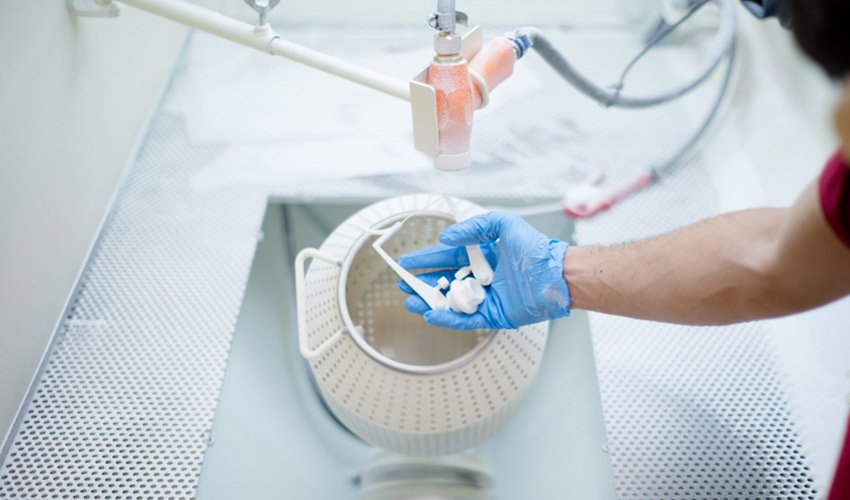 NewsWhat Are the Major Post-Processing Challenges in 2021?Post-processing solutions manufacturer PostProcess Technologies has released the third edition of its Annual Additive Post-Printing Survey: Trends Report 2021. This year’s report confirms what was already announced last year, namely the desire to shorten this time-consuming
 NewsMyMiniFactory Acquires Thingiverse: A Turning Point for the 3D File EcosystemThis is major news for the entire maker community and the 3D printing market as a whole: MyMiniFactory has acquired 100% of Thingiverse. The popular free 3D file platform was previously owned by UltiMaker, following several strategic shifts between MakerBot…
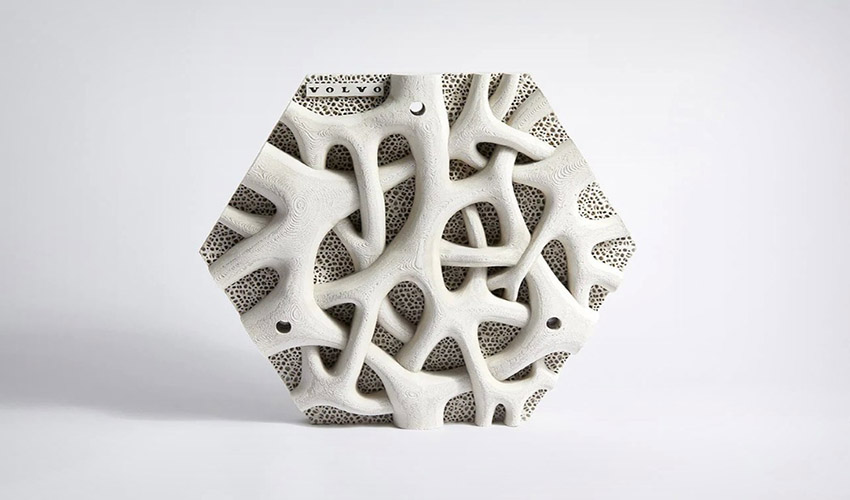 NewsVolvo 3D Prints Seawall Tiles To Save Oceans from Plastic PollutionThe Swedish car manufacturer, Volvo has partnered with the Sydney Institute of Marine Science and Reef Design Lab to develop the “Living Seawall”. This living seawall is in fact made up of 50 3D-printed tiles that mimic the root structure…