Printers
The Complete Guide to 3D Scanners using Laser Triangulation
In line with our files on 3D printing processes, we will be starting today with a new series dedicated to the different techniques of 3D digitization. While the origin of the first 3D scanners dates back to the 1960s, this…
- 3 min read
- Printers
- Six more stories
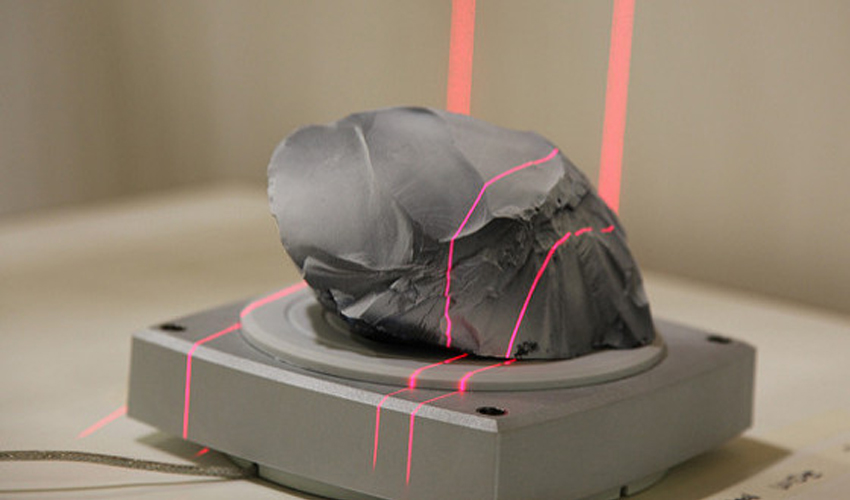
In line with our files on 3D printing processes, we will be starting today with a new series dedicated to the different techniques of 3D digitization. While the origin of the first 3D scanners dates back to the 1960s, this first portion will be focused on one of the simplest scanning technologies: laser triangulation.
The birth of 3D scanners goes back to the work of the National Research Council Canada, one of the first laboratories that developed a 3D digitization technique based on laser triangulation in 1978.
By definition, a 3D scanner is used to obtain a “digital image” of a physical object. To acquire this digital replica, there are different methods to record the object, which is then analyzed and reprocessed on a computer in order to determine its general shape.
More from the desk
Six other notes from the rest of the bench.
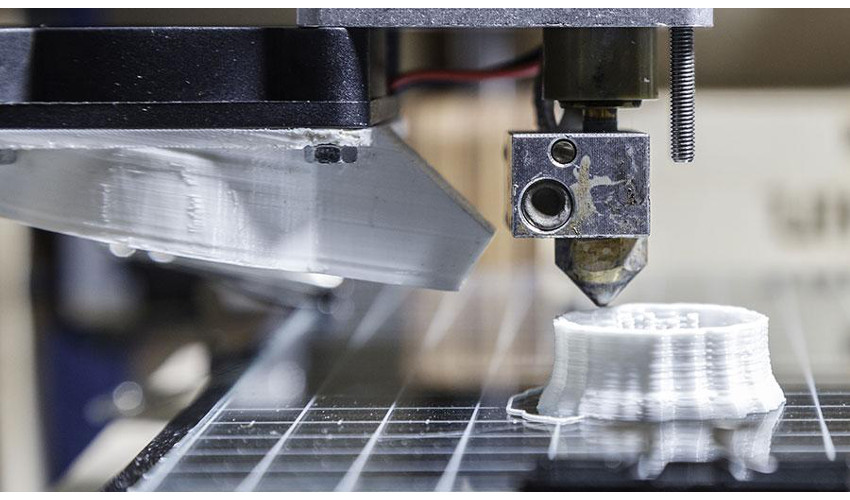 NewsHow 3D Printing Will Change Manufacturing3D printing is a special type of digital fabrication called additive manufacturing. The difference between additive manufacturing and traditional techniques is that objects are created layer-by-layer, so there is minimal loss of material. This creates a potential for a more&helli
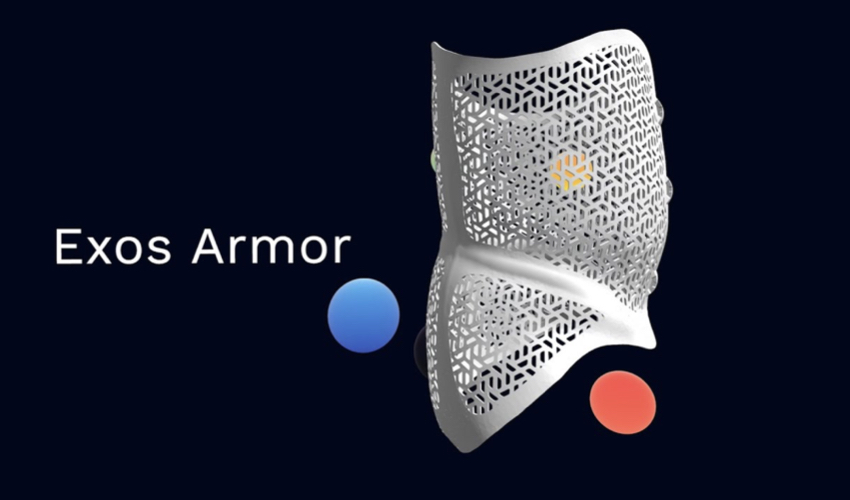 NewsExos Armor: The Entirely 3D Printed Back BraceAt CES 2021 Exos unveiled their 3D printed back brace, entitled Armor, intended to better posture and treat scoliosis. The Exos Armor is fully eco-sustainable and entirely 3D printed from eco-friendly materials making it both light and strong at the…
 ApplicationsMoorhuhn bike: competing with carbon fibre frames?The purmundus challenge was presented for the eighth time on November 2020 as part of the digital Formnext Connect exhibition. This annual competition invites designers and engineers from around the world to participate in a theme-based 3D printing design contest.…
 Guides#3DStartup: Mantle on its Unique Paste-Based Metal Additive Manufacturing ProcessMantle, a young, American startup, made headlines back in February 2021 with the launch of its TrueShape technology. The proprietary AM process distinguishes itself from other metal 3D printing processes on the market by using paste as the printing material…
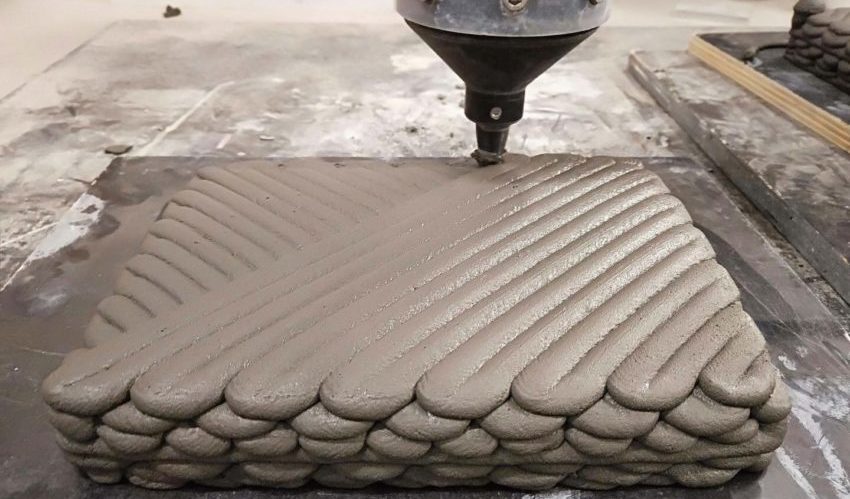 MaterialsRMIT Find New Method of Strengthening 3D Printed ConcreteScientists at Australia’s RMIT University found that 3D printing concrete in helicoidal, or spiral, patterns rather than standard parallel lines, resulted in increased structural integrity of the final piece. This, in turn facilitates the production of taller, more complex and&he
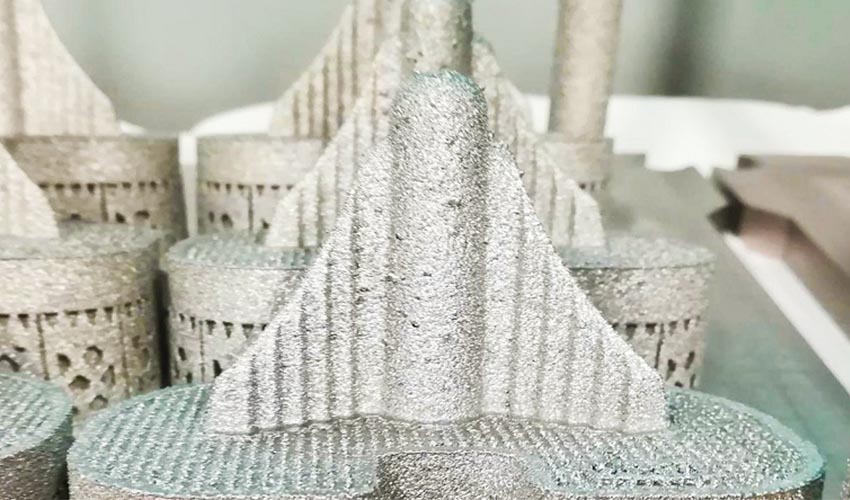 ApplicationsKnee replacement with additive manufacturing and artificial intelligenceThe Italian medical implant manufacturer, REJOINT, announced it is using GE Additive’s Electron Beam Melting (EBM) technology to additively manufacture knee implants. The medical company aims to offer a customized medical solution to patients. Both additive manufacturing and arti