Applications
Czinger’s 21C V MAX Turns 3D Printing into Hypercar Identity
Hypercars are often defined by their speed, styling, and scarcity. Czinger recently announced the unveiling of its 21C V MAX, showcasing how 3D printing can be just as central to a vehicle’s identity. The specific Liquid Silver finish is more…
- 3 min read
- Applications
- Six more stories
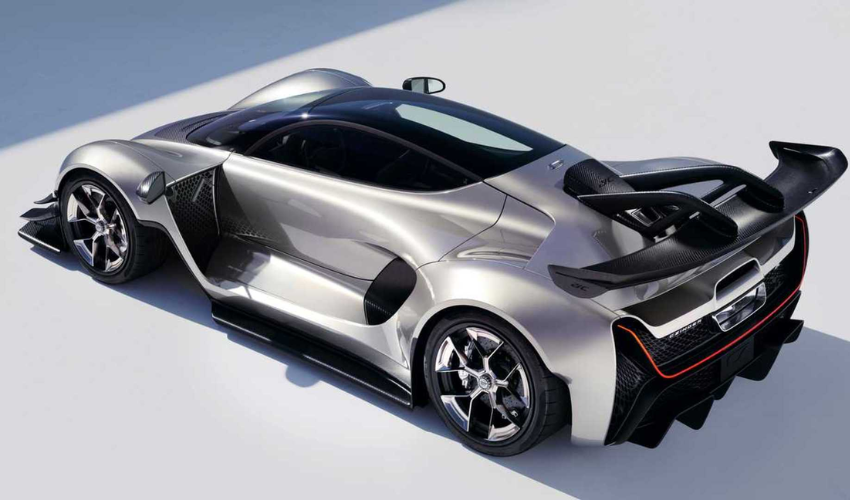
Hypercars are often defined by their speed, styling, and scarcity. Czinger recently announced the unveiling of its 21C V MAX, showcasing how 3D printing can be just as central to a vehicle’s identity. The specific Liquid Silver finish is more than a design choice for the car, rather, it is a tribute to the aluminum alloys that form the car’s Bio-Logic 3D printed substructures. The car’s overall design and foundation sets the Czinger 21C apart in a crowded field of performance machines, especially with hypercars.
Most automakers typically rely on incremental upgrades and wind-tunnel sculpting to produce the next iteration of their flagship models. However, Czinger has taken a different route, utilizing additive manufacturing to lighten the chassis and reduce overall waste. The 21C’s lattice-like substructures display an engineering philosophy of sorts, that strength, weight, and form can be digitally optimized together and then made real through 3D printing. In this way, the V MAX is not simply a long-tail variant of Czinger’s 21C model, but a rolling argument for how cars should be built in the future.
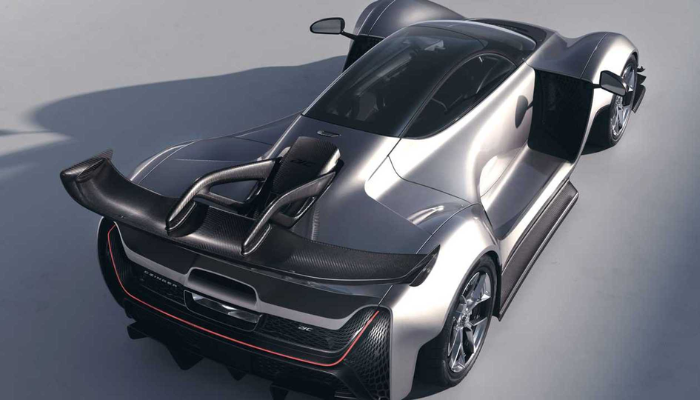
The emphasis on 3D printing within the V MAX showcases a shift with how automotive designs are visualized. Most 3D printed parts are often hidden beneath carbon fiber panels, yet this new design celebrates them as an aesthetic choice, highlighted by its reflective silver finish. It showcases a shift from viewing additive manufacturing as a behind-the-scenes process to recognizing it as a core brand language. Czinger uses this new model not only as a way to sell performance but also show the story of how radical production methods can shape speed machines with a precision that traditional casting and machining cannot match.
More from the desk
Six other notes from the rest of the bench.
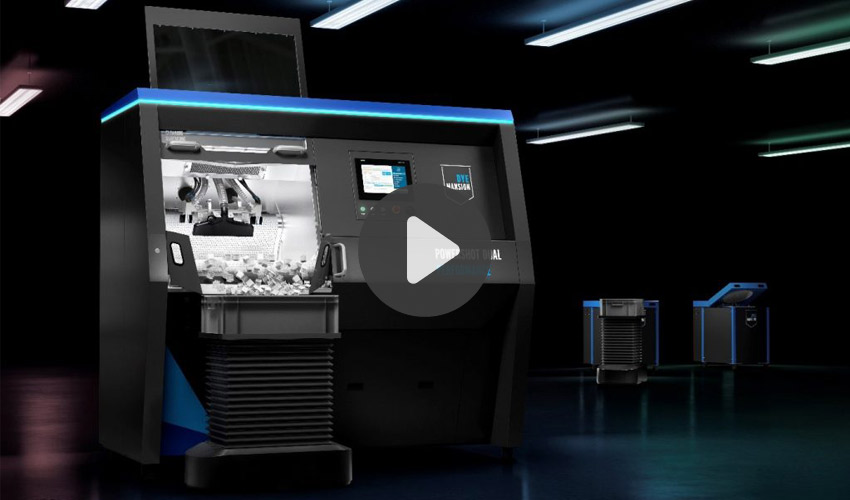 NewsTop 5 Videos: New Post-Processing Solutions from DyeMansionThis week, discover DyeMansion ‘s new post-processing solutions: the PowerShot Performance series. The new range allows faster cleaning and coating of 3D printed parts, regardless of volume. Our second video focuses on the 3D printed parts involved in the production…
 News3D Hubs to bring HP’s latest technology to marketThis Afternoon, 3D Hubs made their big announcement that they will be the first online platform to bring HP’s Multi-Jet Fusion Technology to the market. Thanks to this agreement, Multi Jet Fusion Technology will become more locally accessible to designers…
 ApplicationsPOSTECH 3D Print First-of-its-Kind Lung ModelAs winter gives way to spring the newly bloomed flowers and warm weather bring with them dust, unperceived by most but an anguish to those suffering from respiratory diseases. For them, this year and last, tainted by Covid-19, has amplified…
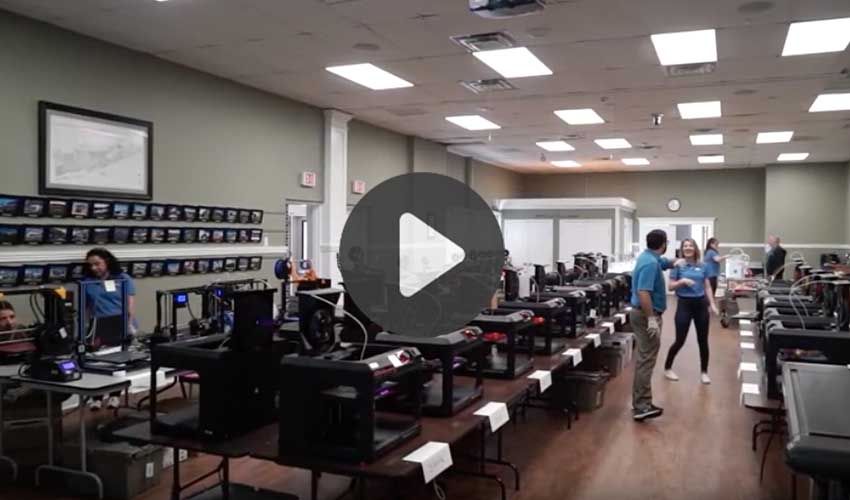 NewsTop 5 Videos: Public library makes 3D printed face shieldsThis week we found the top 5 videos about 3D printing and the way additive manufacturing is changing production. The technology has infiltrated many sectors, from medical to automotive – check our selection of the week to keep up with the innovations! If you enjoy these, you&hell
 ApplicationsReJI Bioprinting Technology Accelerates Drug Development to Help Fight Cancer and ArthritisBioprinting has been used for medical purposes since around 2000. But, it has its limitations, particularly when it comes to drug development, where costs remain high. However now, thanks to financial support from Versus Arthritis, researchers at Newcastle University have…
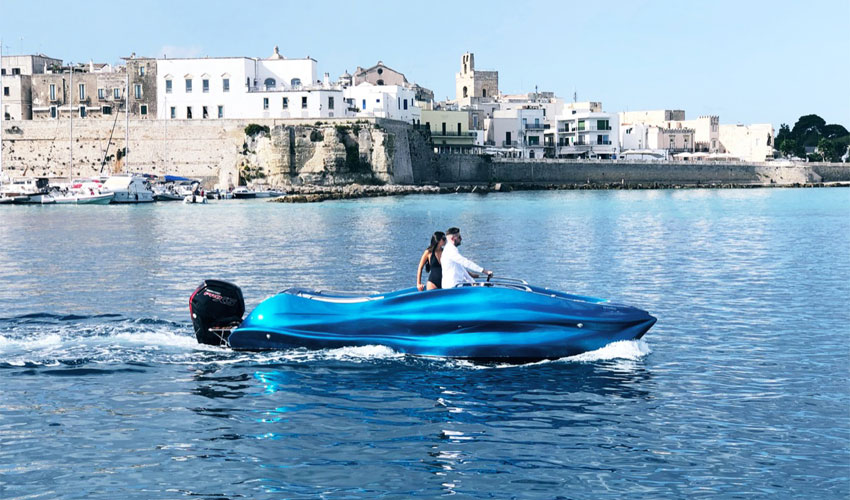 ApplicationsThe 3D printed fiberglass boat, MAMBO, finally takes to the open seaRemember that 3D printed fiberglass boat we were showing you in the aisles of Formnext 2019? Designed by Moi Composites in collaboration with Autodesk, Catmarine, Micad and Owens Corning, it finally went to sea! Named MAMBO (Motor Additive Manufacturing Boat), it…