Guides
Earth Day: Can 3D Printing Help Preserve our Planet’s Resources?
Preserving our planet has become one of the main challenges facing our current society. But it is difficult and long to change mentalities, still there are a number of initiatives that have been developed with the aim at protecting the…
- 3 min read
- Guides
- Six more stories
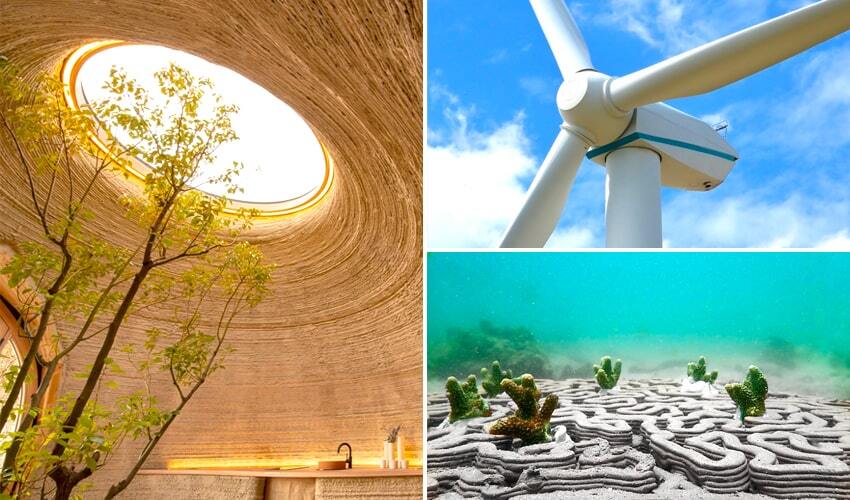
Preserving our planet has become one of the main challenges facing our current society. But it is difficult and long to change mentalities, still there are a number of initiatives that have been developed with the aim at protecting the Earth’s resources. And in fact, quite a few have turned to additive manufacturing as a solution. This is because, by definition, 3D printing involves the addition of material to build a part, which results in a reduction of the amount of waste. It is in this sense that it is more “green” than other manufacturing methods. 3D printing also allows for a focus on local production while promoting a more circular economy. And in honor of Earth Day (April 22nd, 2023), and in order to help you learn more about some of these initiatives, we decided to take an original approach, via the 4 elements: earth, water, wind and fire. How does additive manufacturing help preserve them? How does it rely on these resources to build a more sustainable world? Here are some examples that put our planet in the spotlight!
Earth
TOVA, Spain’s First 3D Printed House Made With Local Soil
TOVA was created by a group of students and professionals from the Institute of Advanced Architecture of Catalonia in Barcelona (IAAC) using WASP’s 3D printing facilities and Rhinoceros 3D’s Grasshopper software. To build it, they combined traditional construction with additive manufacturing, getting the best of both processes and applying them to the project. Why are we interested it? Well the construction materials were fully sustainable: clay and water. To achieve the perfect mix of natural materials for printing, research was done on the soil conditions. This made it possible to find the right mix of clay and water to mold the walls. In addition, geopolymers were used for the substructure and wood for the roof. The creators managed to build a 3D printed housing prototype on a 1:1 scale, using clay and wood for the roof and making sure it was weather-resistant. Moreover, it isn’t just sustainable, the house was also designed to be cozy and sustainable.
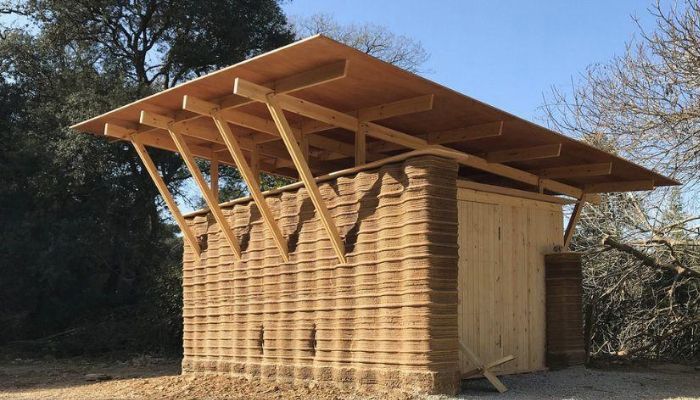
Photo Credits: IAAC
TECLA, an Eco-Sustainable Habitat 3D Printed With Raw Earth
TECLA is an eco-sustainable habitat that was 3D printed with local raw earth in Massa Lombarda, Ravenna. Its creation was possible thanks to the collaboration between the architect Mario Cucinella and WASP, relying specifically on Crane WASP 3D printing technology. TECLA is a carbon-neutral house made from local raw earth, eliminating the need to bring construction materials to the site while also reducing waste. Its shape has been designed with climate and latitude in mind. The soil mix has been optimized to balance the thermal mass and ensure the best conditions in terms of thermal insulation and ventilation. TECLA is about 60 square meters and is divided into a day area with kitchen and a night area with bathroom. Some of the furniture is integrated into the raw earth structure, while others are designed to be recycled or reused in the future.
More from the desk
Six other notes from the rest of the bench.
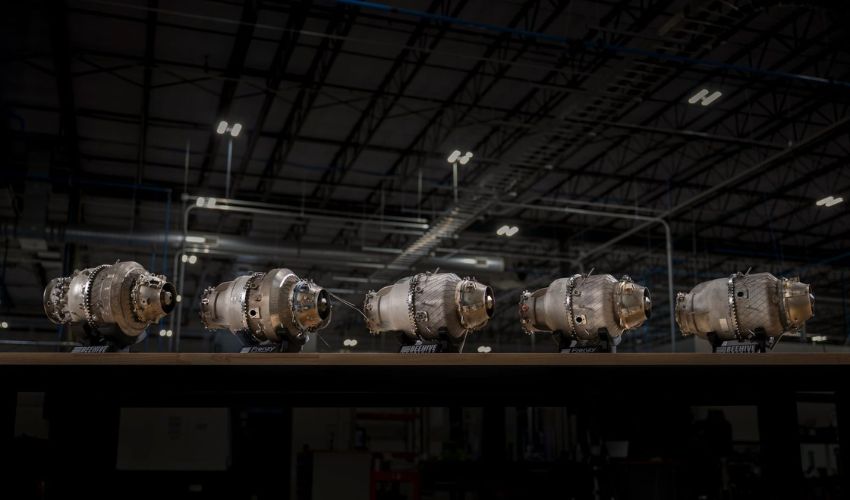 ApplicationsBeehive Industries Awarded $29.7 Million Contract by U.S. Air Force for Frenzy Engine DevelopmentSee the left-most engine in the photo above? That’s the Frenzy 8, printed by Beehive Industries, and the first engine to test (FETT) in the series of iterations. Continue right, and you’ll see the evolution of the Frenzy 8, ending…
 News3YOURMIND receives €1.3 million to integrate AI in its software solutionsGerman company 3YOURMIND, which specialises in the development of software to automate additive manufacturing processes, has received €1.3 million in funding to integrate machine learning and artificial intelligence solutions into its software. This should further accelerate the
 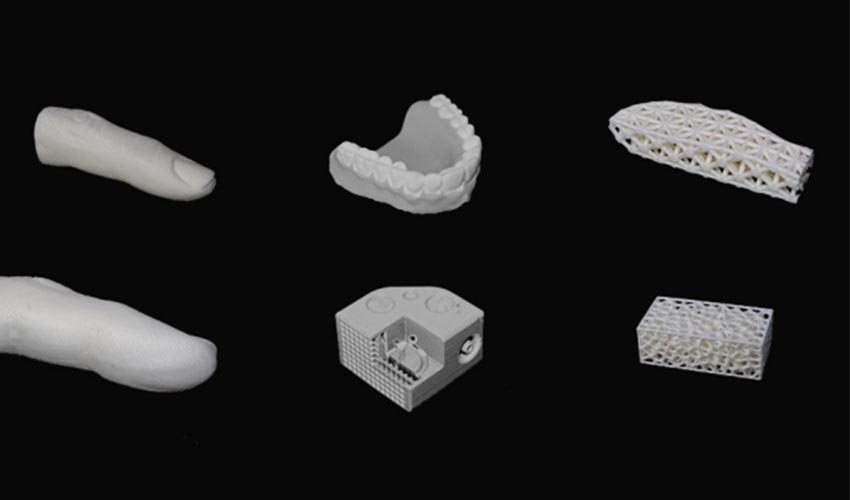 NewsMIT startup Inkbit creates 3D printer powered by machine-vision and AIAt the end of 2018, we told you about the creation of a consortium dedicated to additive manufacturing by MIT – the Additive and Digital Advanced Production Technologies (APT) center seeks to accelerate the implementation of additive manufacturing and to…
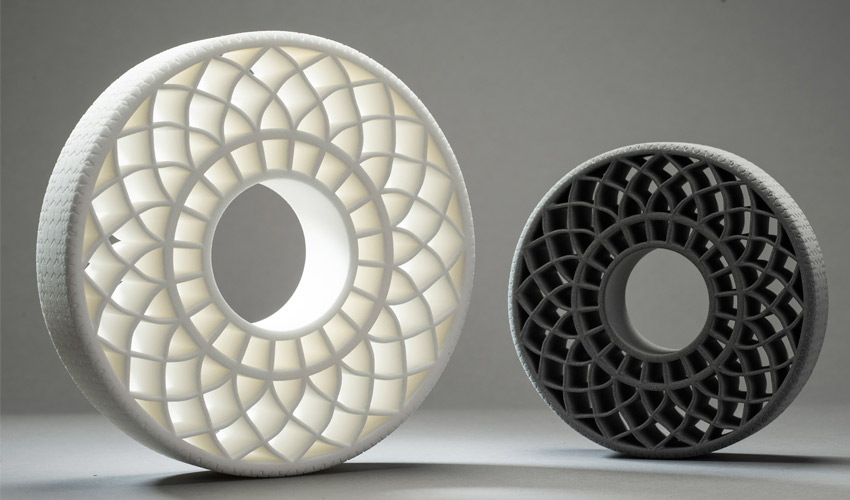 MaterialsAll You Need to Know About Nylon for 3D Printing3D printing nylon (polyamide) is a strong, stretchy artificial material made from synthetic polymers. Often fashioned into bristles, fabric, or sheets, and used especially in textiles and plastics, it is one of the most widely used polymers in the additive…
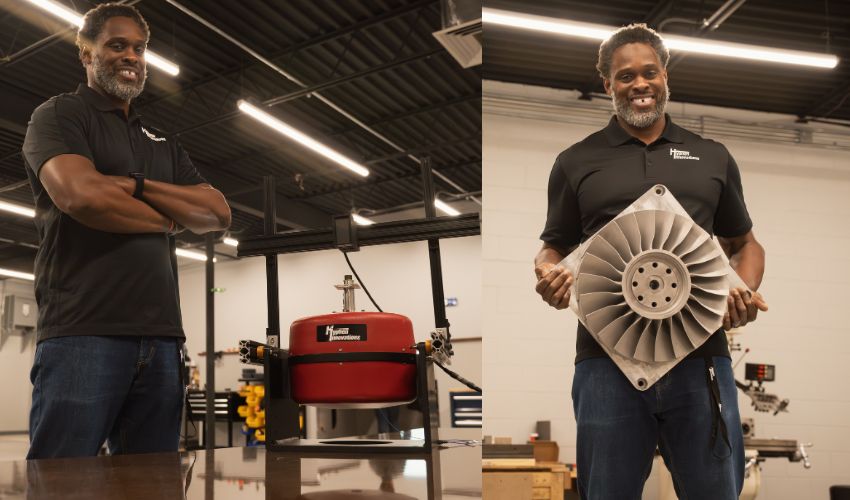 GuidesWhy Fatigue Still Decides Whether AM Flies — Insights from Dr. Onome Scott-Emuakpor Ahead of RAPID + TCT 2026Additive manufacturing promises lighter parts, complex geometries and faster production for aerospace. But in aviation, printing a component is the easy part. Proving it will survive in operation is what determines whether it is ever approved for service. A component…
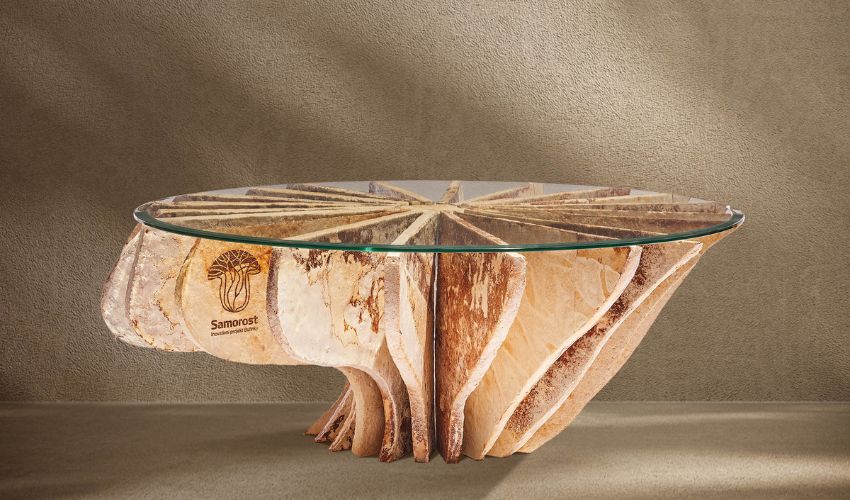 MaterialsSAMOROST Reveals Visionary Mycelium-Based 3D Printed Furniture at DesignblokSAMOROST, a visionary project led by the Czech 3D printed construction company Buřinka, unveiled an extraordinary collection of sustainable furniture crafted from mycelium at the international Designblok festival. This innovative reveal combines the forces of mycelium, additive m