News
MIT startup Inkbit creates 3D printer powered by machine-vision and AI
At the end of 2018, we told you about the creation of a consortium dedicated to additive manufacturing by MIT – the Additive and Digital Advanced Production Technologies (APT) center seeks to accelerate the implementation of additive manufacturing and to…
- 3 min read
- News
- Six more stories
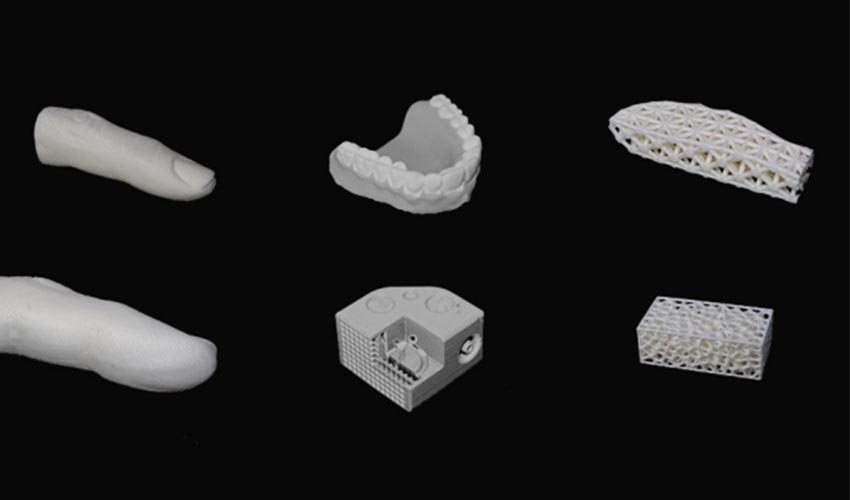
At the end of 2018, we told you about the creation of a consortium dedicated to additive manufacturing by MIT – the Additive and Digital Advanced Production Technologies (APT) center seeks to accelerate the implementation of additive manufacturing and to invent its future. However, this is not the only way MIT is having an influence and shaping the development of AM technologies – a startup straight out of MIT, Inkbit, is working towards overcoming traditional constraints to 3D printing by giving its machines ‘eyes’ and a ‘brain’. The industrial 3D printer developed by Inkbit is a multimaterial machine capable of printing extremely flexible materials with great accuracy. Supposedly, it is more accurate than competitors.
The startup is pushing the capabilities of its machine by offering a solution that combines high-speed, high-precision and high-quality materials. What do they mean by a machine that has eyes and a brain? Inkbit’s multimaterial inkjet printer is equipped with machine-vision and machine learning systems. The machine-vision system scans each layer that is being printed and corrects errors in real time. Additionally, the machine-learning system uses this information to predict the warping behavior of materials.
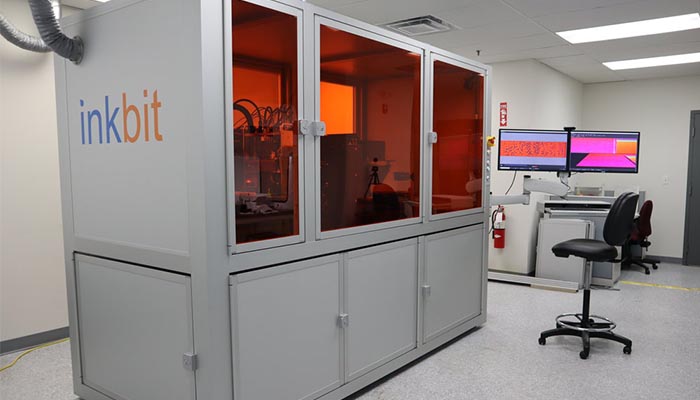
Inkbit’s 3D printer | Credits: Inkbit
The founder of Inkbit explains that their 3D printer is capable of precisely printing around a computer chip or other electronic component for example. Once the object is finalised, it will keep a digital replica that can be used for quality assurance. Davide Marini, CEO and co-founder of Inkbit adds, “Everyone knows the advantages of 3D printing are enormous. But most people are experiencing problems adopting it. The technology just isn’t there yet. Our machine is the first one that can learn the properties of a material and predict its behavior. I believe it will be transformative, because it will enable anyone to go from an idea to a usable product extremely quickly. It opens up business opportunities for everyone.”
More from the desk
Six other notes from the rest of the bench.
 PrintersLab 3Dnatives: Testing the 3D printer Winbo SH105As summer starts coming to a close, we decided to mark this with a test of the Chinese printer Winbo SH105. Little known to the general public, the brand offers around 19 different FDM machines, with prices ranging from $199…
 PrintersKRAKEN, a new hybrid multi-material & large format manufacturing systemFor three years now, several European researchers have been working on the KRAKEN project, a hybrid manufacturing system combining 3D printing and subtractive production methods. Equipped with three interchangeable additive manufacturing technologies and a 4th subtractive manufac
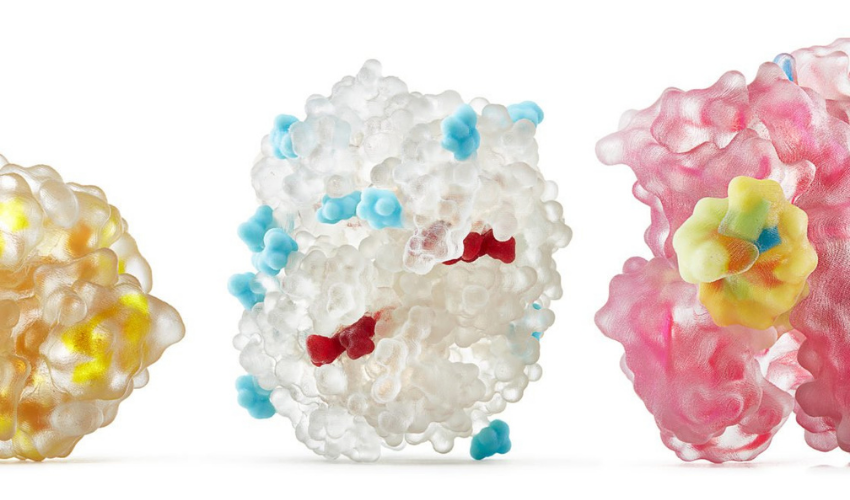 ApplicationsArmor Bionics and Shapeways Partner to Make Accurate, 3D-Printed Medical ModelsShapeways has announced that they have entered an agreement to be Armor Bionics’ exclusive 3D printing manufacturer. The leader in digital manufacturing, known for its on-demand manufacturing in industries as vast as medical, robotics, architecture, jewelry and gaming, will
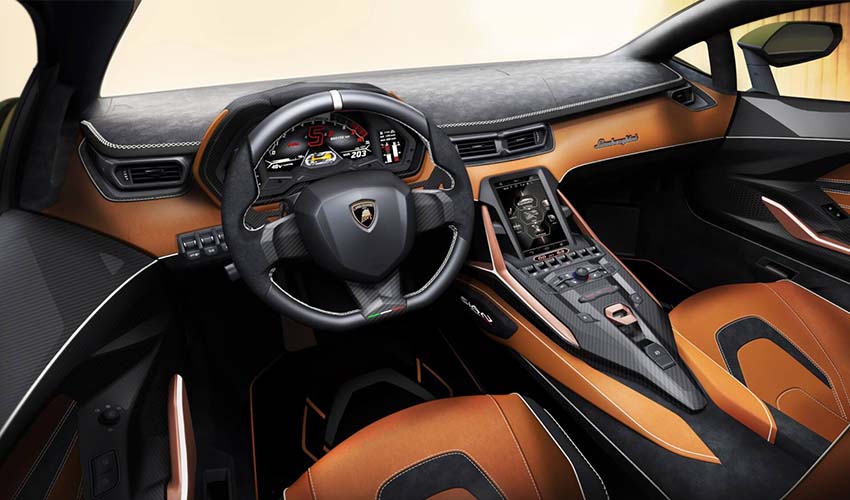 ApplicationsCarbon and Lamborghini expand partnership to manufacture parts for the Sián FKP 37The collaboration between Carbon and Lamborghini made quite a bit of noise in the industry when it was announced in February. Carbon had created some parts for Urus, Lamborghini’s first SUV model. Since, the companies have been working on how…
 MaterialsResearchers Develop New Method to 3D Print MagnetsTeams from the Jean Lamour Institute (IJL), the Materials Science research laboratory of the University of Lorraine, have developed a method for producing magnets with a desktop FDM 3D printer. The researchers claim to have succeeded in integrating magnetic properties…
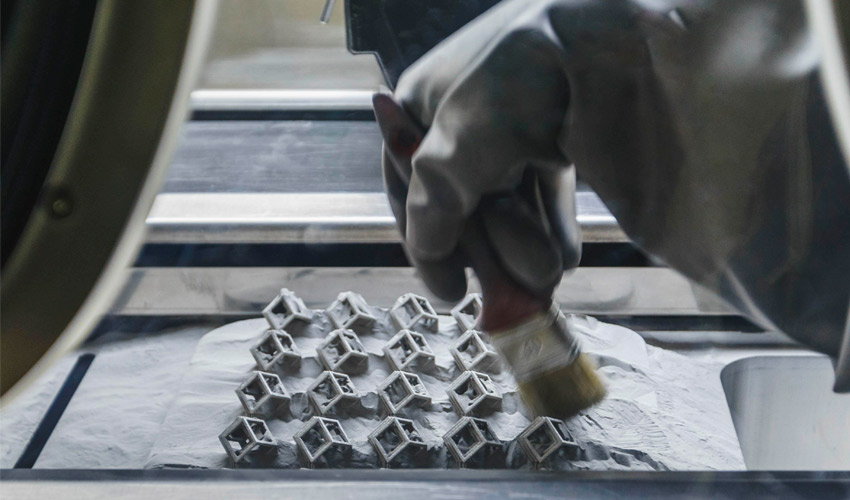 NewsPost-processing trends report reveals current methods and challengesPostProcess Technologies has just released its annual report on post-processing trends in additive manufacturing. This second edition highlights the main methods available in the industry, and the challenges AM users face regardless of the additive manufacturing technology they u