Guides
Why Fatigue Still Decides Whether AM Flies — Insights from Dr. Onome Scott-Emuakpor Ahead of RAPID + TCT 2026
Additive manufacturing promises lighter parts, complex geometries and faster production for aerospace. But in aviation, printing a component is the easy part. Proving it will survive in operation is what determines whether it is ever approved for service. A component…
- 3 min read
- Guides
- Six more stories
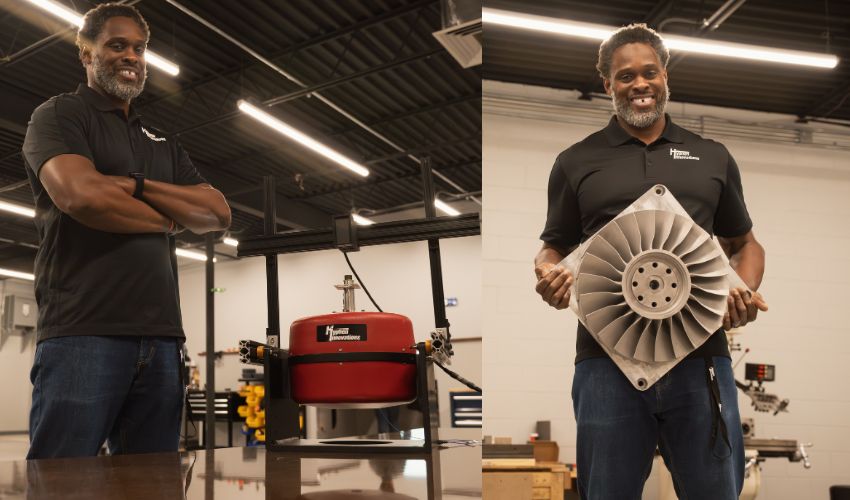
Additive manufacturing promises lighter parts, complex geometries and faster production for aerospace. But in aviation, printing a component is the easy part. Proving it will survive in operation is what determines whether it is ever approved for service. A component can be produced in hours, yet qualifying it can take months of fatigue testing and analysis. At 30,000 feet, reliability is not theoretical and uncertainty is unacceptable. For Dr. Onome Scott-Emuakpor, founder of Hyphen Innovations and former researcher at the Air Force Research Laboratory’s Turbine Engine Structural Integrity Lab, closing that gap between speed and confidence has become central to bringing additive manufacturing into critical flight hardware.
Dr. Scott-Emuakpor will present this topic at RAPID + TCT 2026 in Boston this April, where his presentation, A Post-Process Treatment for Improving Fatigue Performance of Additive Manufactured Parts, focuses on accelerating qualification for aerospace components. Ahead of the event, we spoke with him about how industry attitudes toward additive manufacturing have evolved, why fatigue remains the central barrier to adoption and what engineers should understand before attempting flight-critical applications.
3DN: Could you briefly introduce yourself and explain how your background in aerospace engineering led you to focus on additive manufacturing and eventually found Hyphen Innovations?

More from the desk
Six other notes from the rest of the bench.
 NewsPlast’if transforms employees waste into 3D objects3D printing is a technology that could help raise awareness about ecology and recycling issues: there have been many initiatives by companies to tackle those issues through this technology; whether it is to make objects more environmentally friendly or address social…
 NewsValve allows makers to 3D print and sell their merchandiseValve, the company behind the Dota, Half-life, Portal and Left 4 Dead series’, has partnered with Shapeways to allow fans to reproduce and sell merchandise and figures from their favourite games. 3D printing is a very disruptive technology. It is…
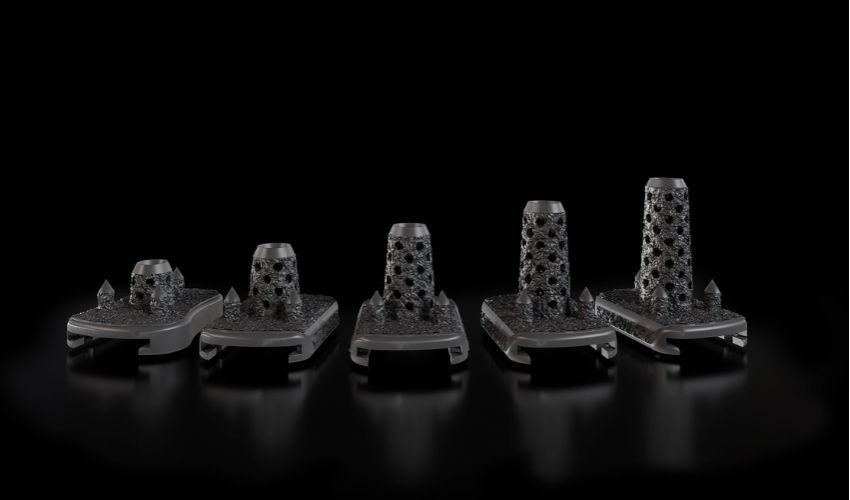 ApplicationsExactech Performs First Ankle Surgeries with 3D Printed Tibial ImplantsIn recent years, 3D printing has taken off in the medical sector, bringing innovations in a variety of fields. From the creation of custom-made prostheses and orthoses to the personalization of drug treatments, this technology is transforming healthcare. Today, we…
 PrintersTCT Asia 2026: 5 Innovations in Multi-Material 3D Printing You Need to Know AboutTCT Asia 2026 has made it clear that the race in multi-material FDM 3D printing is unfolding at a pace few in the West anticipated. Over the course of the three-day trade show, we were able to see firsthand five…
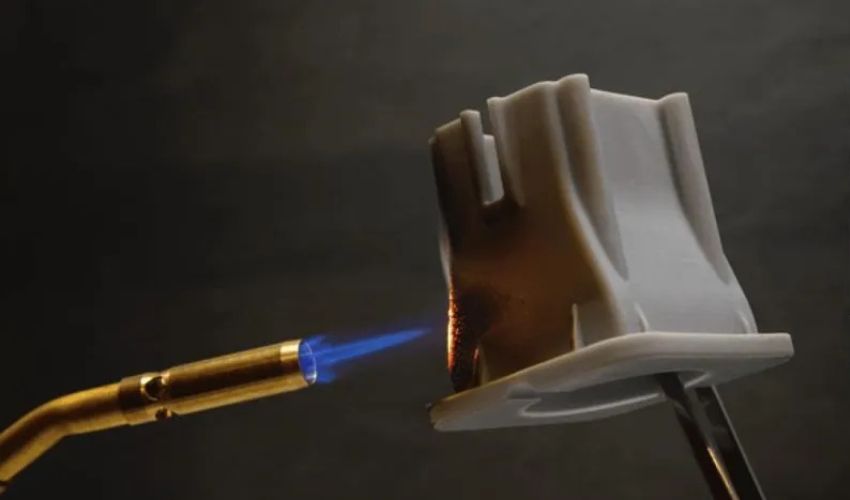 MaterialsFlame Retardant Plastic Materials for Additive ManufacturingIn critical applications, fire safety is non-negotiable—and 3D printing is rising to the challenge. In recent years, we’ve seen a surge in fire- and flame-retardant materials tailored for additive manufacturing, available as filaments, resins and powders. These materials ar
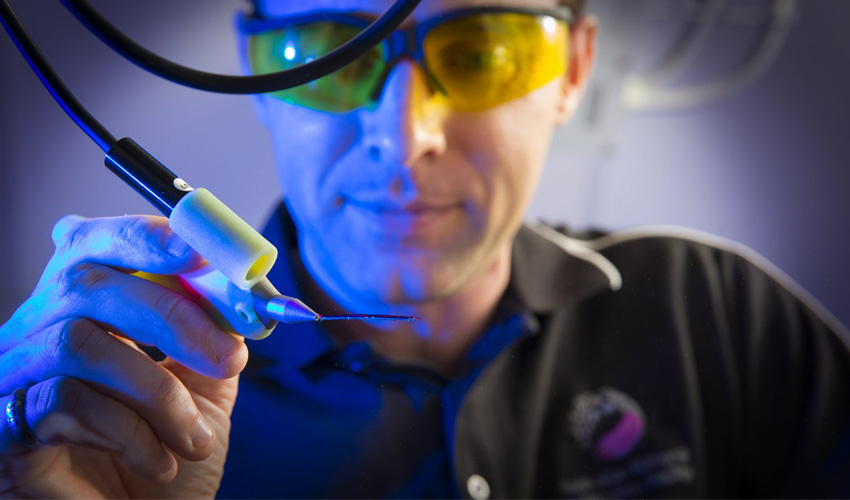 ApplicationsiFix, the 3D pen that bio-prints to treat eye injuriesA team of researchers from the University of Sydney and the University of Wollongong have developed iFix. A pen that through special ink can bio-print a cell structure to help treat eye injuries. They received $ 1.1 million in funding from…