Printers
Creality launches conveyer belt 3D printer for continuous part printing
Founded in 2014, Creality focuses on the design, research and production of 3D printers and 3D printing related products. The company covers a range of technologies such as FDM and resin 3D printing. Most of you will have heard of…
- 3 min read
- Printers
- Six more stories
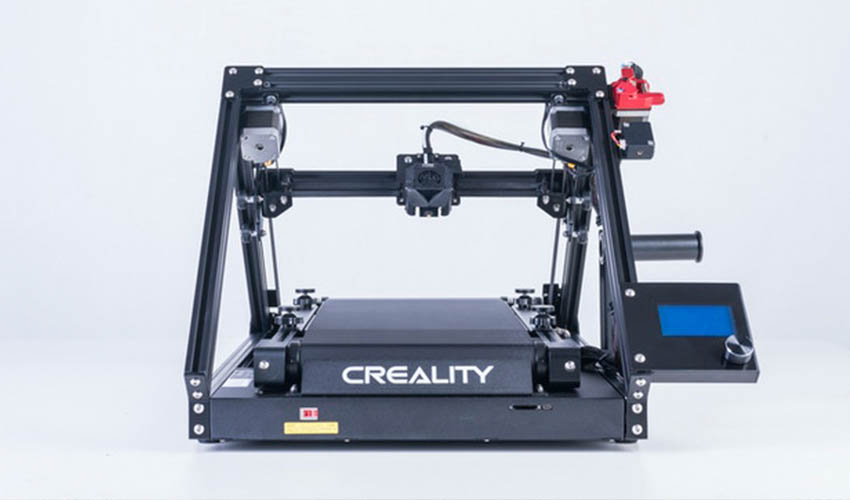
Founded in 2014, Creality focuses on the design, research and production of 3D printers and 3D printing related products. The company covers a range of technologies such as FDM and resin 3D printing. Most of you will have heard of Creality’s affordable FDM solutions, they are part of 3 distinguishable series: Ender, CR and CP. It’s latest addition to the CR-series is none other than the 3DPrintMill, a cross between a traditional 3D printer and a conveyer belt. Created in collaboration with Naomi Wu, this 3D printer is her vision coming to life thanks to the R&D investment and engineering expertise from the Creality team.
The Shenzhen-based company recently launched a Kickstarter campaign, which hit its goal of HK$1,000,000 (about US$130,000) in the first 24 hours! They have also said that when the 3DPrintMill reaches US$5 million in crowdfunding, the whole machine, CAD files, BOM, firmware, schematics, will be made fully Open Source. In other words, anyone will have access to the source code to make their own version, iterate and improve on it. So, what are the features of the 3DPrintMill?
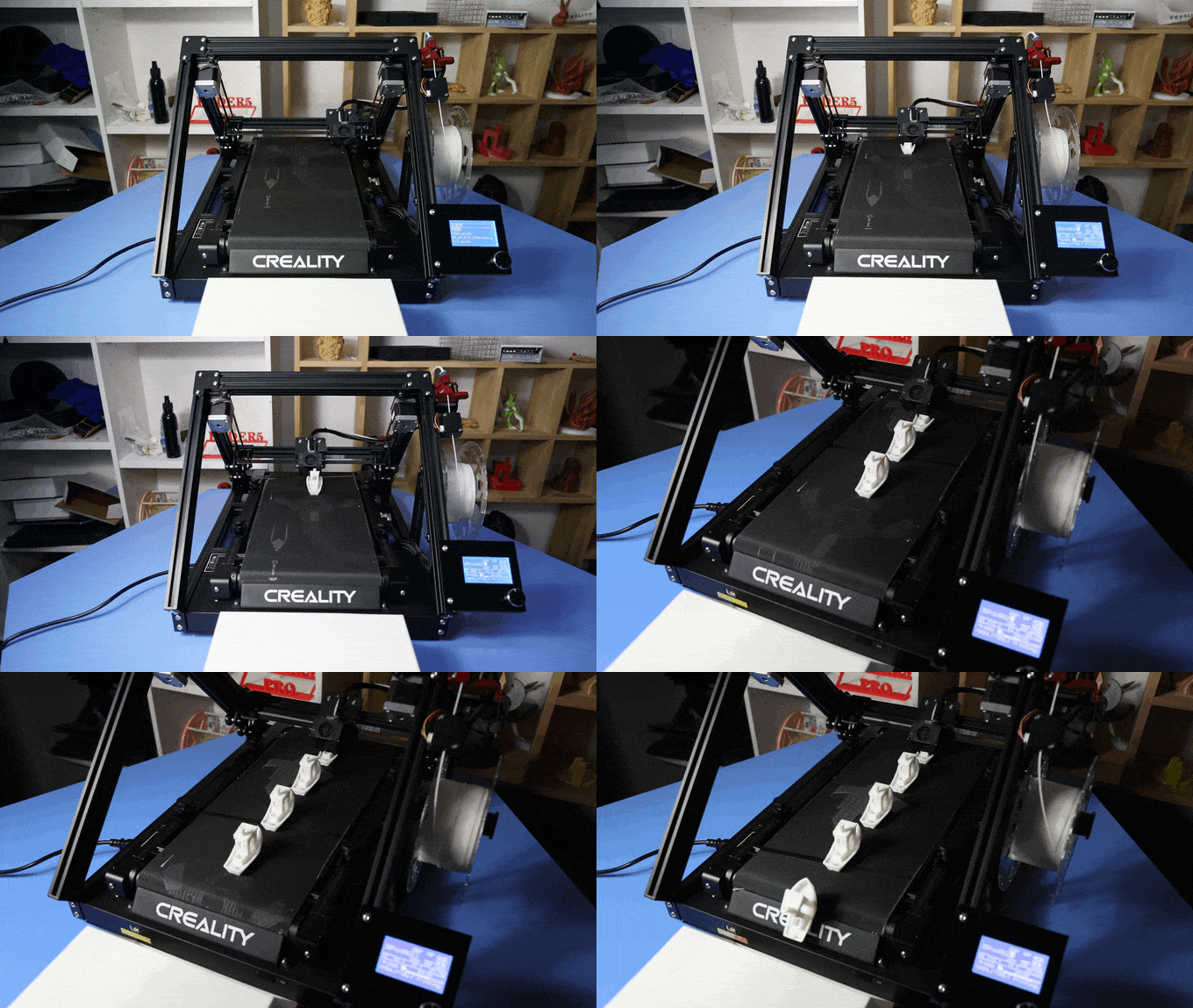
Adding a conveyor belt: what are the benefits?
You might ask what is the purpose of combining a 3D printer and conveyer belt. Creality explains that the 3DPrintMill enables continuous, unattended part printing. In other words, as parts are 3D printed, the heated belt, which works like the build plate, advances. As it advances, the parts detach themselves naturally and fall into a bin. This reduces the need to remove the printed pieces from the heated bed before starting another print job. The 3DPrintMill can process an entire 1, 5 or 10-kilogram spool of plastic filament to make plastic parts with no human supervision. The conveyer belt is made from nylon, and is expected to last years with regular use.
More from the desk
Six other notes from the rest of the bench.
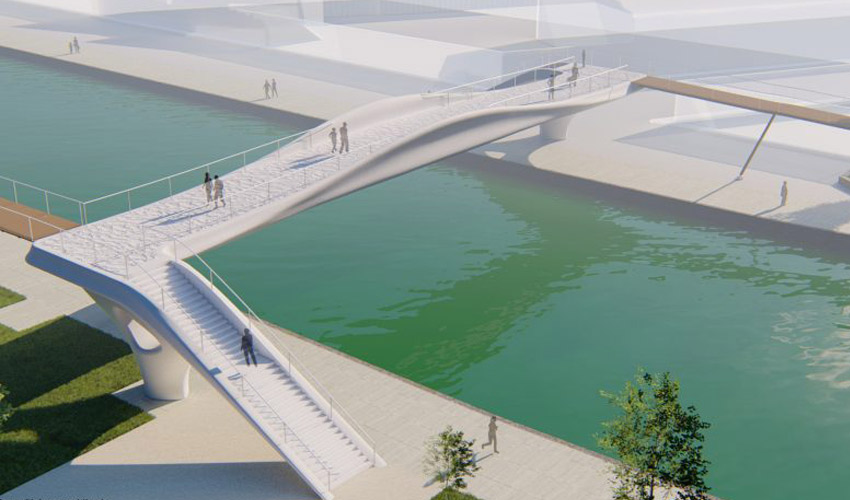 NewsXTreeE will 3D print a bridge in Paris for 2024 Olympic GamesThe latest interesting news related to 3D printing in the construction sector: ahead of the 2024 Olympic Games, Plaine Commune Grand Paris has awarded the design and construction of a 40-meter long footbridge to the Freyssinet / Lavigne & Cheron Architects…
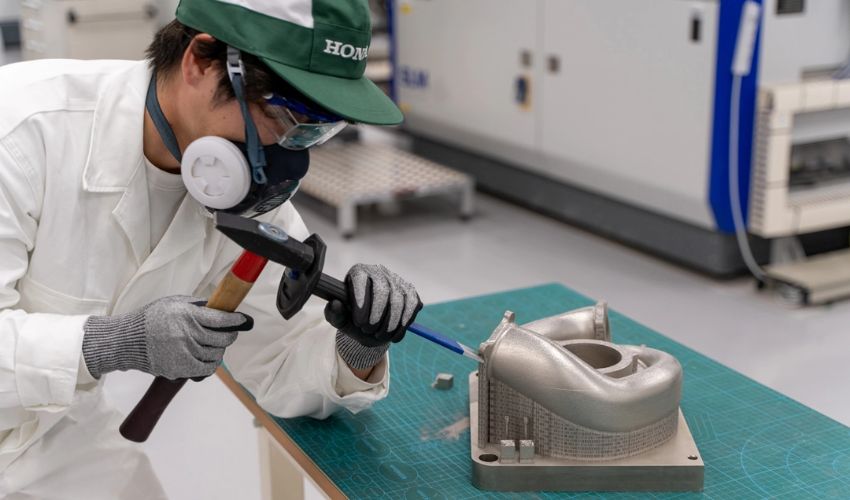 ApplicationsHonda Is Leveraging (and Improving!) Laser Powder Bed Fusion for TransportationJapanese car manufacturer Honda recently revealed how it uses 3D printing to increase efficiency. The company’s technology of choice? Laser powder bed fusion (LPBF). This metal additive manufacturing technology can create complex geometries that are impossible to achieve th
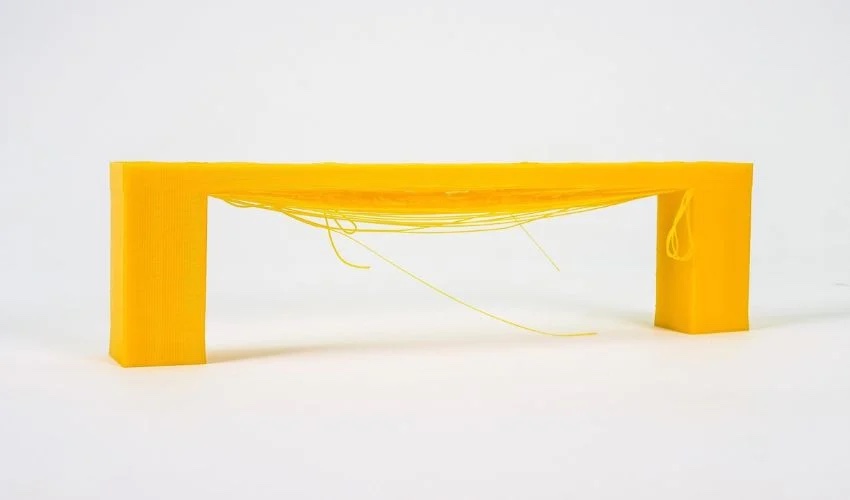 MaterialsBridging in 3D Printing: Everything You Need to KnowUsing a 3D printer, whether for professional or hobbyist purposes, can be an exciting journey filled with surprises. However, not all surprises are positive; some may present challenges. We have previously discussed common printing issues like stringing, ghosting, and warping,&he
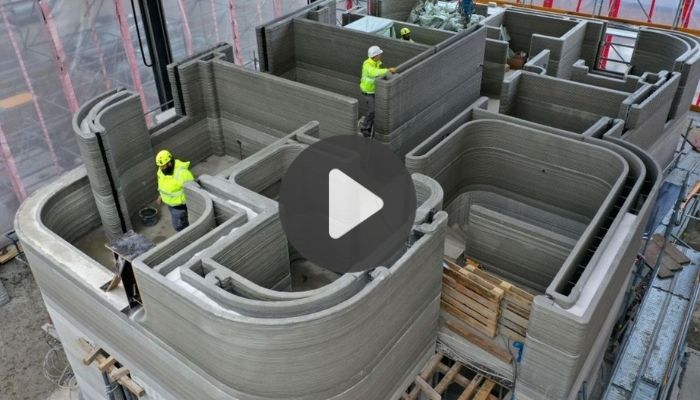 NewsTop 5 Videos: Concrete House 3D Printed in 48 HoursThis week, find out how SQ4D uses its industrial-size 3D printer to construct a house made of concrete on location. Next, we present to you a retrospective celebrating the past 10-years of applications of Ultimaker machines, as well as a…
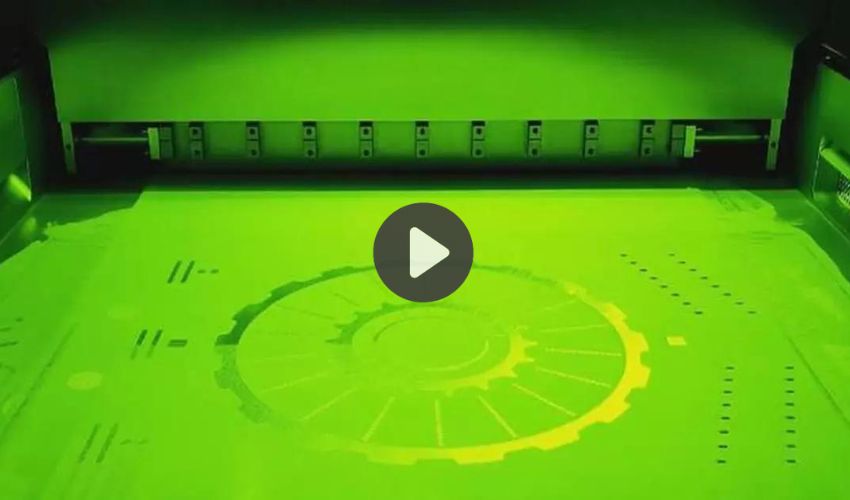 NewsTop 5 Videos: Using Metal 3D Printing to Improve Traditional Material ManufacturingNow the week has ended, it is time to once again take a look at the best 3D printing videos that came out. The first of our top videos shows how researchers in China are using metal 3D printing to…
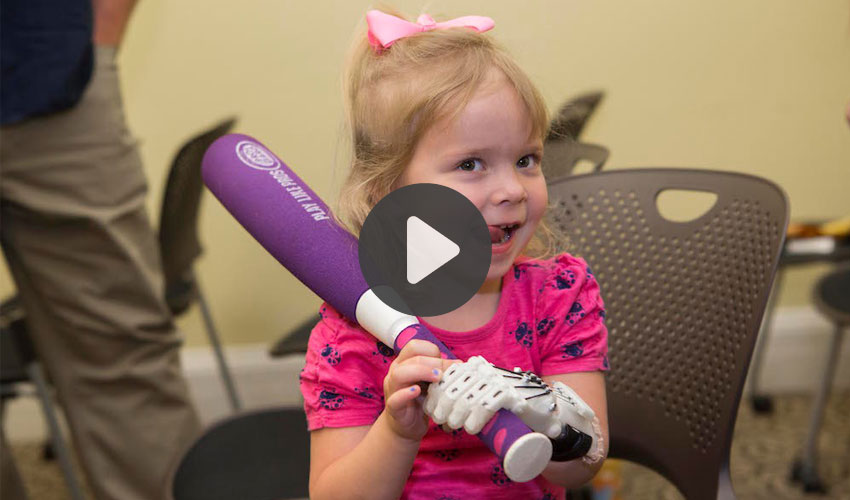 NewsTOP 5 videos of the week: Girl’s 3D printed hand and more!We found the TOP 5 videos of the week related to 3D printing and additive manufacturing here. Share your videos and comment on the article below or on the 3Dnatives’ Facebook or Twitter account. Hope you’ll enjoy and have a…