News
Top 5 Videos: Using Metal 3D Printing to Improve Traditional Material Manufacturing
Now the week has ended, it is time to once again take a look at the best 3D printing videos that came out. The first of our top videos shows how researchers in China are using metal 3D printing to…
- 3 min read
- News
- Six more stories
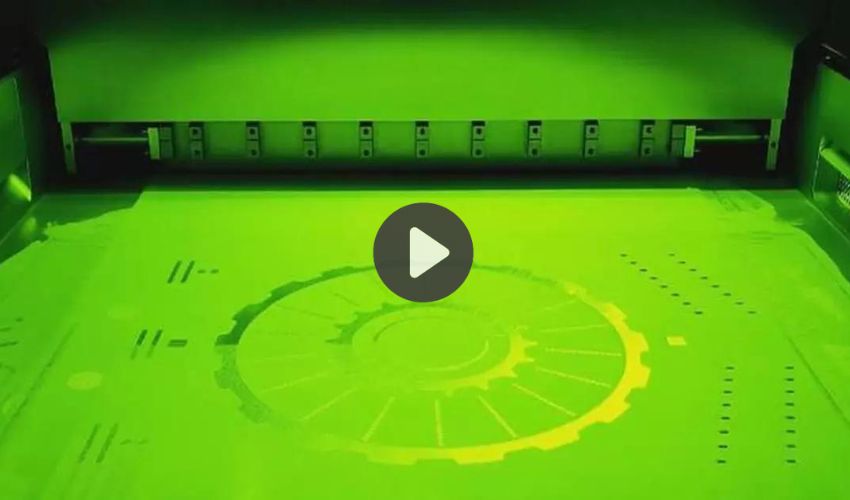
Now the week has ended, it is time to once again take a look at the best 3D printing videos that came out. The first of our top videos shows how researchers in China are using metal 3D printing to improve material manufacturing. Then, listen to a 3D printed violin as compared to one made traditionally with a test from a leading violinist before learning more about large-format additive manufacturing in the marine sector. To wrap it up, meet Jay Dinsmore, one of the leaders who has shaped the additive manufacturing industry before learning about Forward AM and Essentium’s new partnership for a better extrusion platform. Happy watching and have a great Sunday!
Top 1: Using Metal 3D Printing for Better Material Production
Researchers in Foshan City, China, are turning to metal 3D printing to improve material manufacturing. The idea is to avoid welding defect pores that are common in traditional methods of material processes through the use of metal powder bed fusion, explaining that using metal 3D printing will help in new material development in key areas. “We aim to solve some of the main difficulties in the industry at present, such as improving the quality and performance of products and reducing costs. In the long run, we strive to develop new materials and future technologies in China, especially in equipment such as key components for engines and aerospace fields,” explains Bi Yunjie, deputy director of the Institute of Advanced Additive Manufacturing of Ji Hua Laboratory. Learn more about it in the video below:
Top 2: Ray Chen Plays a 3D Printed Violin
We have told you about 3D printed instruments before, now let’s put one to the test. Renowned Taiwanese-Australian violinist Ray Chen not only 3D printed his own violin, but practiced on it to see how the sounds measures up. Can the instrument compare to a wooden one? Was the experiment a success? Check out the video below to find out for yourself!
More from the desk
Six other notes from the rest of the bench.
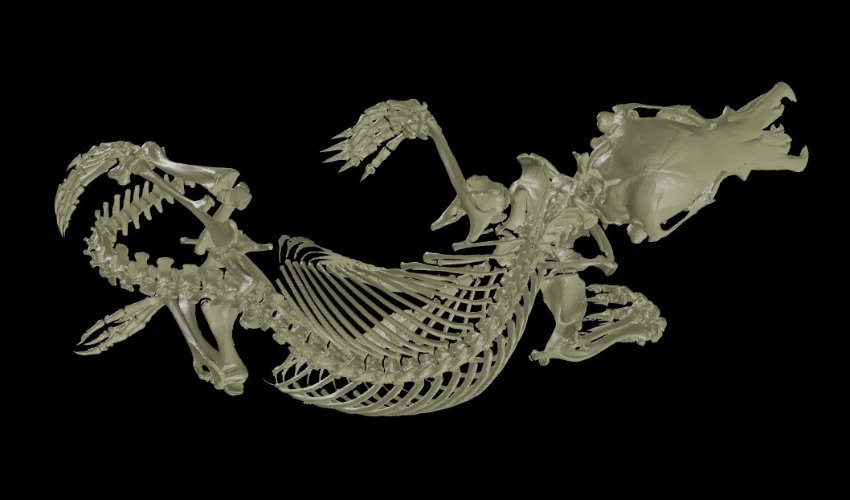 PrintersUC Berkeley Paves Way for Digitizing Vertebrate Collections With oVert ProjectMuseums worldwide are embracing innovative technologies to revolutionize access to their extensive artifact collections. Among these advancements, 3D scanning and printing have emerged as powerfully useful tools, offering unprecedented opportunities for researchers, educators, an
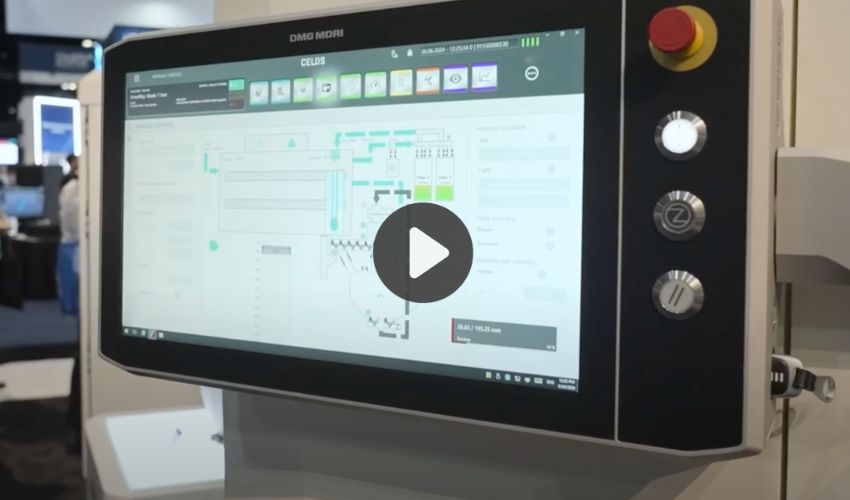 NewsDMG Mori on Advancing Metal Additive Manufacturing at RAPID + TCT 2024Walking around the show floor at RAPID + TCT 2024, one fact quickly became clear: metal is increasingly important in the 3D printing world. Although polymers continue to dominate the market, metal additive manufacturing solutions and applications could be found…
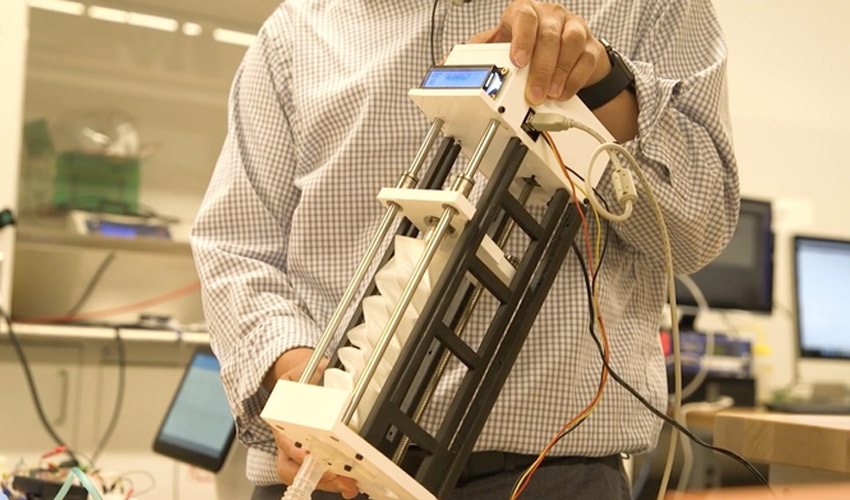 ApplicationsAn Origami 3D-Printed Ventilation System to Fight COVID-19At Simon Fraser University in Canada, a team of researchers led by Professor Kim Woo Soo developed a 3D-printed ventilation system to fight COVID-19. Drawing inspiration from the art of Japanese folding, better known as origami, the team was able…
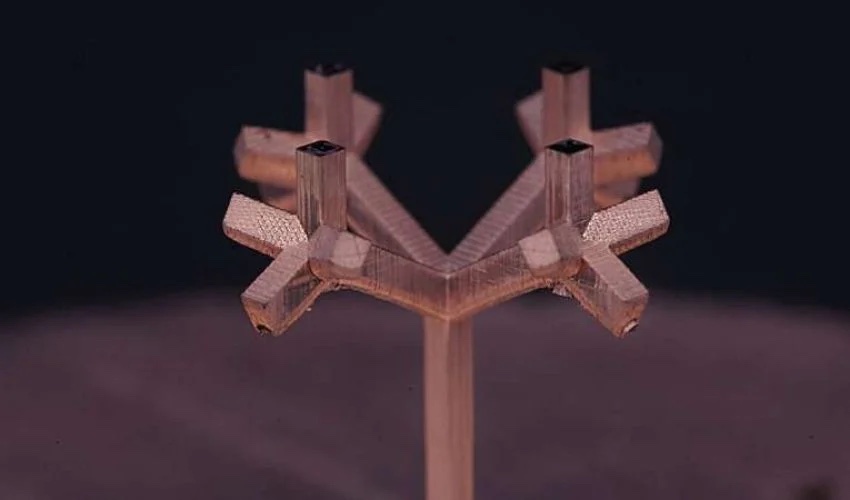 ApplicationsLighter Antennas Thanks to 3D Printing?As our modes of communication have gone wireless, the internet has become ever more important and aerospace applications multiply, the need for efficient, lightweight antennas has become urgent. 5G and 6G have accelerated this, and industry players need to find…
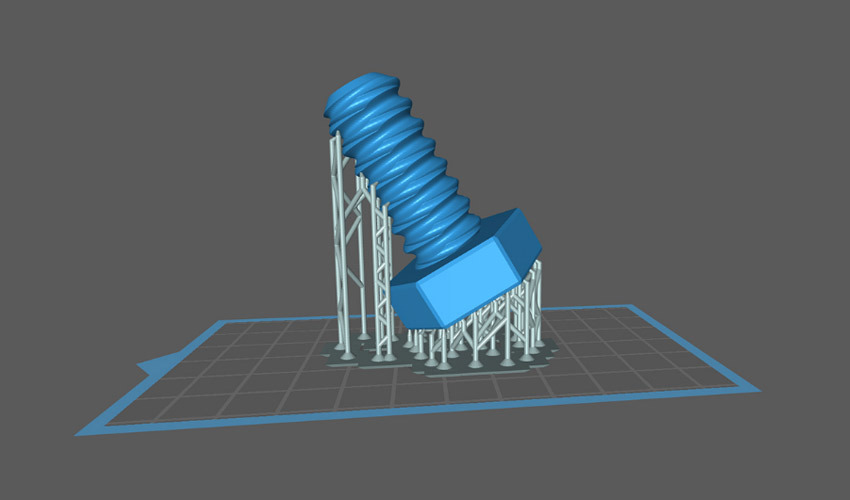 SoftwareThe Top Slicers for Resin 3D Printers in 2024Slicers, or slicing software, are an essential tool in 3D printing. This software is able to slice a 3D model and then transmit to the printer which layer it will need to create and deposit. There are currently multiple solutions…
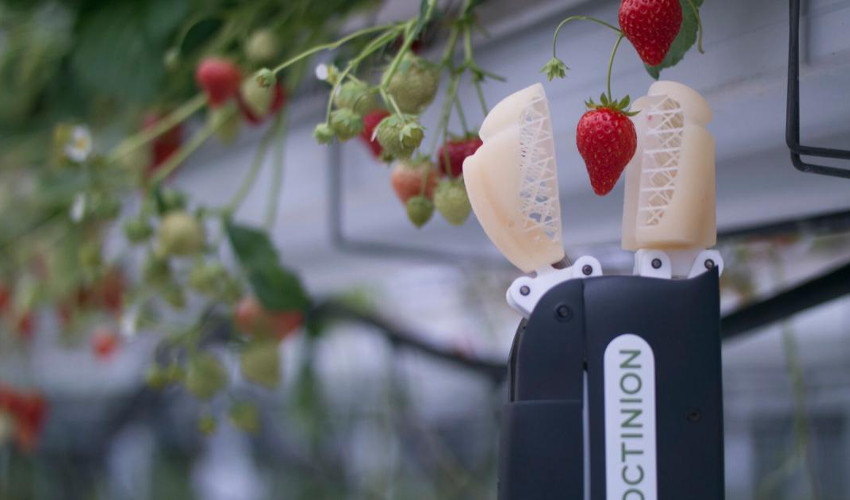 NewsOctinion: The 3D Printed Strawberry-Picking RobotBelgian engineering startup Octinion are attempting to revolutionise the way we harvest. They have recently developed a strawberry-picking robot that has a 3D printed “hand” to pick strawberries with. This advanced robot can even determine whether a strawberry is ripe