News
XTreeE will 3D print a bridge in Paris for 2024 Olympic Games
The latest interesting news related to 3D printing in the construction sector: ahead of the 2024 Olympic Games, Plaine Commune Grand Paris has awarded the design and construction of a 40-meter long footbridge to the Freyssinet / Lavigne & Cheron Architects…
- 3 min read
- News
- Six more stories
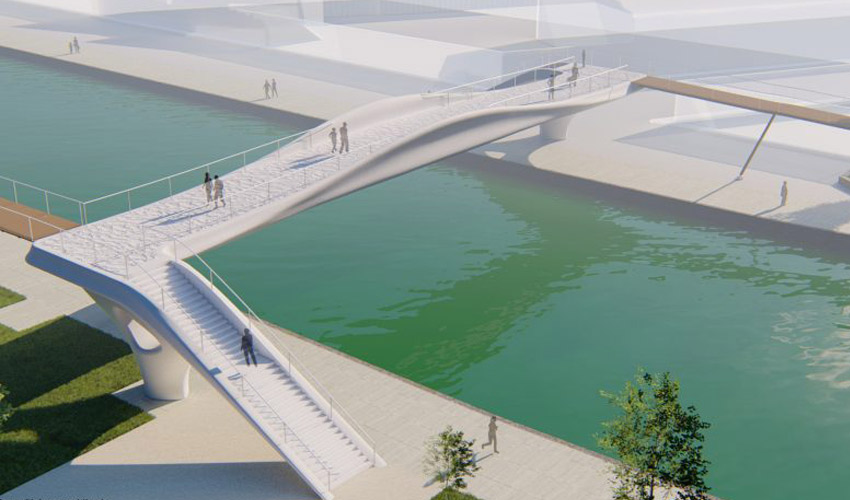
The latest interesting news related to 3D printing in the construction sector: ahead of the 2024 Olympic Games, Plaine Commune Grand Paris has awarded the design and construction of a 40-meter long footbridge to the Freyssinet / Lavigne & Cheron Architects / Quadric / XtreeE / LafargeHolcim consortium: its load-bearing structure, or deck, will be entirely 3D printed with concrete. The project should be finalized for the 2024 Olympic Games. This 3D printed bridge will be a first for the French capital.
It seems like additive manufacturing keeps spreading to more and more cities: we immediately think of Amsterdam with its first 3D printed bridge or the innovative bridge project by MX3D, but also Dubai, which plans to 3D print 25% of its buildings by 2030. In the US, companies like Mighty Buildings are 3D printing houses with unique proprietary concrete, and ICON has 3D printed a community in Mexico… The reason the 3D printing technology is becoming increasingly popular is because it brings greater design freedom, significant reduction in the materials used, and lower cost. XtreeE understood this very quickly, and thus developed a process to design concrete structures that are more durable, more complex and more respectful of our environment. The company’s objective is to reduce concrete consumption by 60% compared to traditionally built structures.
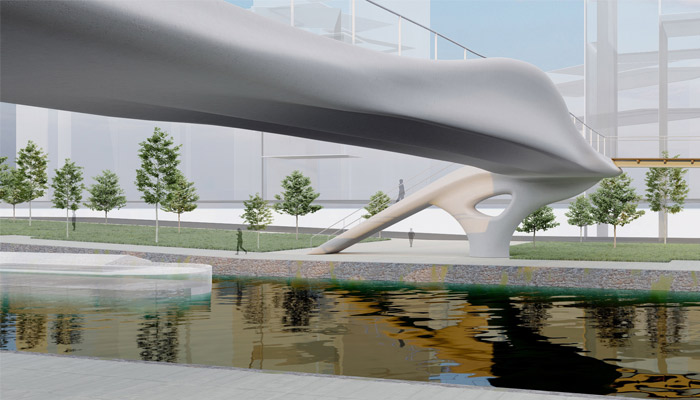
Image credits: Lavigne & Cheron Architectes
In an interview the company gave us a few years earlier, they explained: “Today, concrete is the second most consumed material on Earth, after water. In the last three years, China has produced more concrete than the United States during the entire 20th century. It is of course unthinkable to stop building with concrete, it is a great material as its formulation can be adapted to the properties required. This is where 3D printing comes into play: with increased geometric control, we can build optimized shapes to limit the quantity of materials to be used. Shapes that it was absolutely impossible to obtain on such a large scale before, for technological as well as financial reasons. Today, it is possible to manufacture with low-cost processes, architectural elements that are of real environmental interest“.
More from the desk
Six other notes from the rest of the bench.
 NewsMontana Has Given Regulatory Approval for Homes With 3D Printed Walls, the First State To Do SoBuilding code regulators from the Department of Labor & Industry recently confirmed that they have given broad regulatory approval for the use of 3D printing in construction, making Montana the first American state in history to recognize 3D printed walls…
 GuidesInterview with Hargurdeep Singh about his role at CAD MicroSolutionsCAD MicroSolutions is dedicated to helping mechanical and electronic customers ensure they are realizing the greatest value from their technology investment. The company offers design automation software, training, and consulting to help clients innovate, disrupt, design, and suc
 MaterialsAustralian Scheme Recycles PPE for 3D Printing FilamentThe COVID-19 pandemic devastated communities all over the world, and we are still feeling the social and medical effects today. One aspect which sometimes goes unmentioned is the excess of PPE (Personal Protective Equipment) waste: this includes masks, gloves, and…
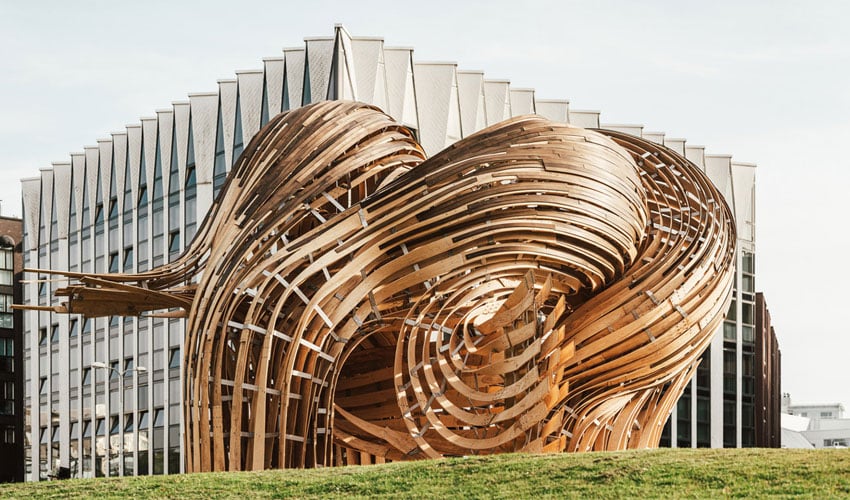 SoftwareWhat Are the Advantages of Using Grasshopper for 3D Printing?Created in 2007, Grasshopper is an algorithmic modeling tool that runs inside Rhinoceros CAD software. Previously an installable plug-in, the tool has been fully integrated into Rhino 6 and all subsequent versions. An easy-to-learn CAD program, Grasshopper is based on…
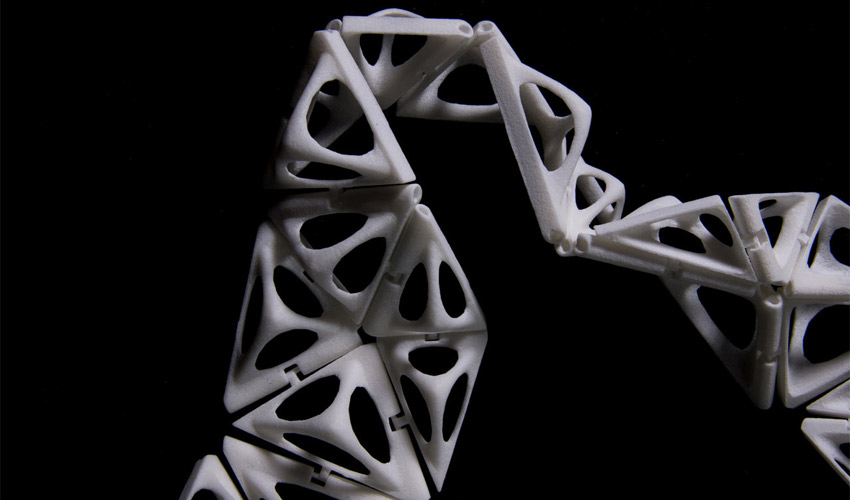 NewsGartner Hype Cycle 2019: 3D Printing PredictionsEvery year the Gartner Institute publishes its annual predictions for new technologies. It highlights the trends to consider for future manufacturing processes and products. In mid-December, they published their Gartner Hype Cycle showcasing their 3D printing predictions for 2019
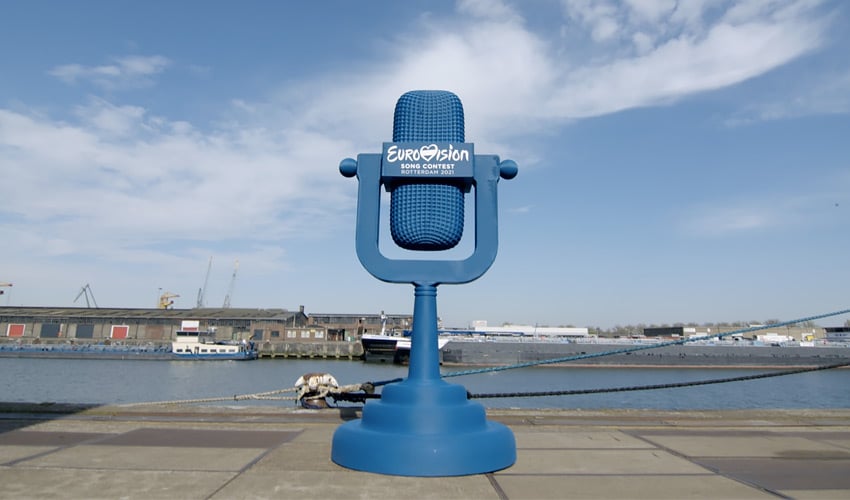 NewsEurovision has 3D Printed a Giant Trophy to Promote Circular EconomyThe Eurovision Song Contest is an annual competition involving various artists and performers representing countries that are members of the European Broadcasting Union. To mark the occasion in the Netherlands this year, a giant 3D printed trophy made from recycled…