Applications
Honda Is Leveraging (and Improving!) Laser Powder Bed Fusion for Transportation
Japanese car manufacturer Honda recently revealed how it uses 3D printing to increase efficiency. The company’s technology of choice? Laser powder bed fusion (LPBF). This metal additive manufacturing technology can create complex geometries that are impossible to achieve th
- 3 min read
- Applications
- Six more stories
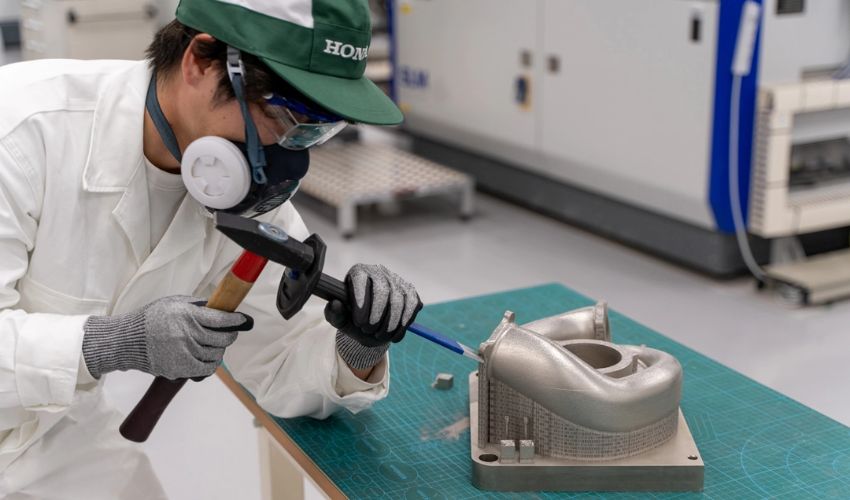
Japanese car manufacturer Honda recently revealed how it uses 3D printing to increase efficiency. The company’s technology of choice? Laser powder bed fusion (LPBF). This metal additive manufacturing technology can create complex geometries that are impossible to achieve through casting and forging, suitable for quickly producing one-off items or small quantities of diverse products. However, the process is not without challenges. So, Honda’s research and development facilities have adopted a deformation prediction simulation technology to address the inefficiencies they faced with the technology.
One of the major ways Honda’s facilities optimized its LPBF practice is related to gas circulation. While LPBF is taking place, an inert gas is circulated in the chamber to create an oxygen-free environment. The purpose of this gas is to remove fumes and spatters that are generated by the melting metal and to prevent oxygen from getting into the part. Otherwise, oxygen can create voids and defects in the product.
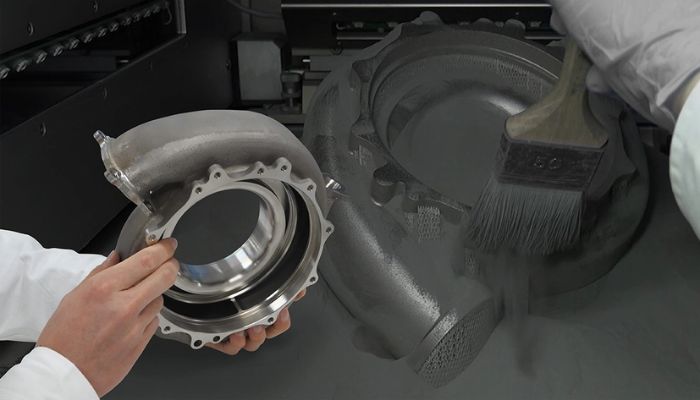
A part from Honda made with LPBF
The company explained that the larger the build area, the more susceptible it is to external disturbances. This is because in areas on the downwind side, where the inert gas flow speed is slow, they cannot remove fumes and metal spatters, resulting in modeling problems on this downwind side. The team’s solution is to use a high-speed camera to check the spatter removal status for each layer. That way, they identify the root of the problem, comparing spatter removal with the wind speed distribution that they measure with a wind speed sensor. Having this data allows them to optimize the wind speed and determine precise conditions for the entire modeling area.
More from the desk
Six other notes from the rest of the bench.
 NewsBe More 3D launched the construction of the first 3D printed house in Africa3D printing in the construction sector is booming, in fact SmarTech Publishing estimated this market will reach $40 billion by 2027. As a result, more and more companies are joining this new wave of manufacturing, which not only saves materials…
 NewsCFIP, a Revolutionary Post-Processing Technique That Reinforces 3D Printed Parts With Continuous FibersIn additive manufacturing, there are four fundamental stages: design, lamination, printing and post-processing. This last step is especially important, regardless of the manufacturing technology used, as it gives the parts an optimal surface finish. In addition, many post-process
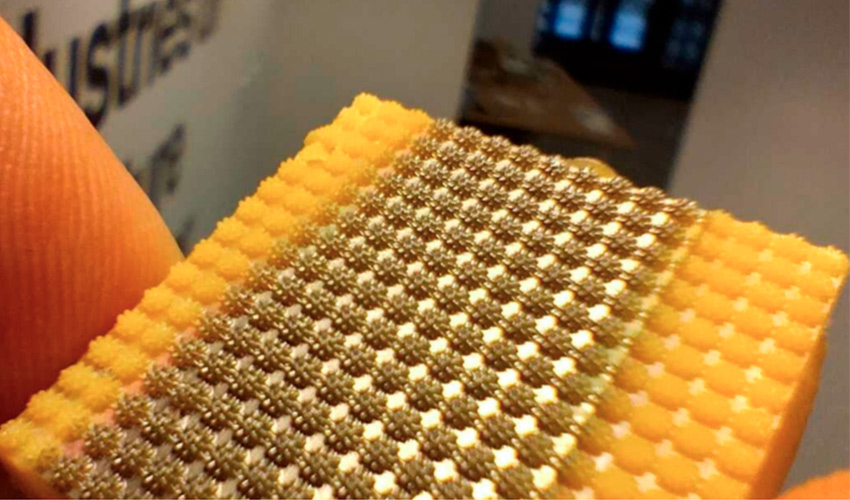 Guides3D Solar Discusses Using Additive Manufacturing in the Energy SectorWhen we talk about the sectors that have implemented additive manufacturing, the list is long. More and more companies are betting on its adoption in the production chain. We have already seen its use in industries such as automotive, consumer…
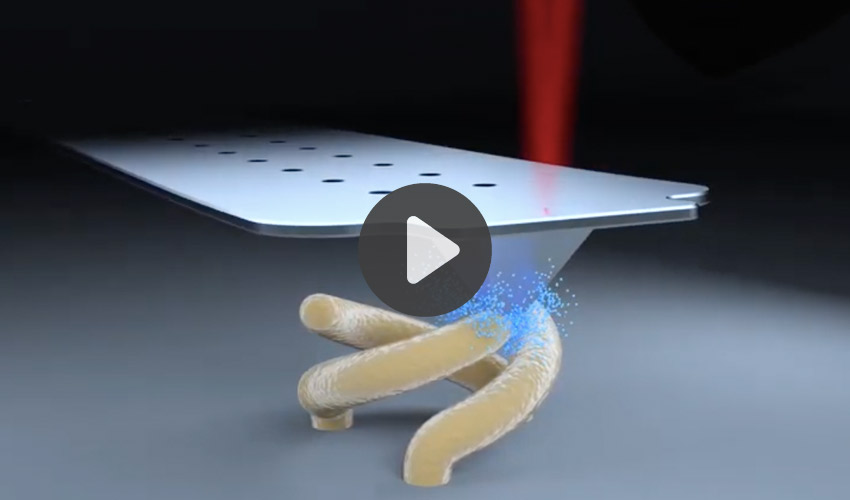 NewsTop 5 Videos of the Week: submicron metal 3D printing…This week we found the top 5 videos about 3D printing and the way additive manufacturing is shaping our society. The technology has infiltrated many sectors, from medical to automotive! Check out our selection of the week to keep up with the innovations! This week we…
 GuidesThe Personalities Who Shaped the Additive Manufacturing Market in 2023As we approach the end of the year, it’s time for us to take a look back at the market, and at the personalities who have shaped the 3D printing sector in 2023. Whether they work in major corporations, startups…
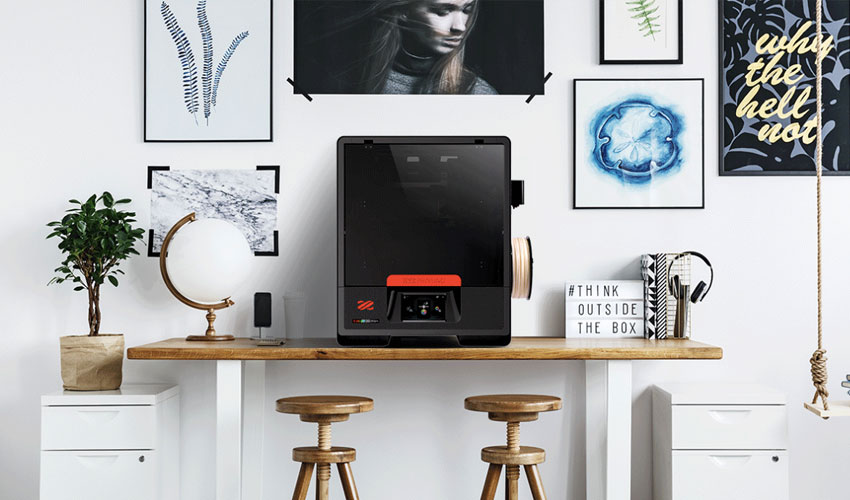 PrintersDa Vinci Color mini; the desktop colour 3D printerLast year, the manufacturer XYZprinting was talking about the colour additive manufacturing market with the arrival of its new 3D printer, the Da Vinci Color, a machine that combines InkJet technology and FDM, capable of printing up to 16 million shades…