Applications
Bioprinted epithelium model could accelerate COVID-19 vaccine testing
During the current COVID-19 pandemic, many 3D printing companies launched initiatives to curb the spread of the virus. Many have put their solutions at the service of medical staff and patients by creating 3D printed respirators, ventilators, and other medical…
- 3 min read
- Applications
- Six more stories
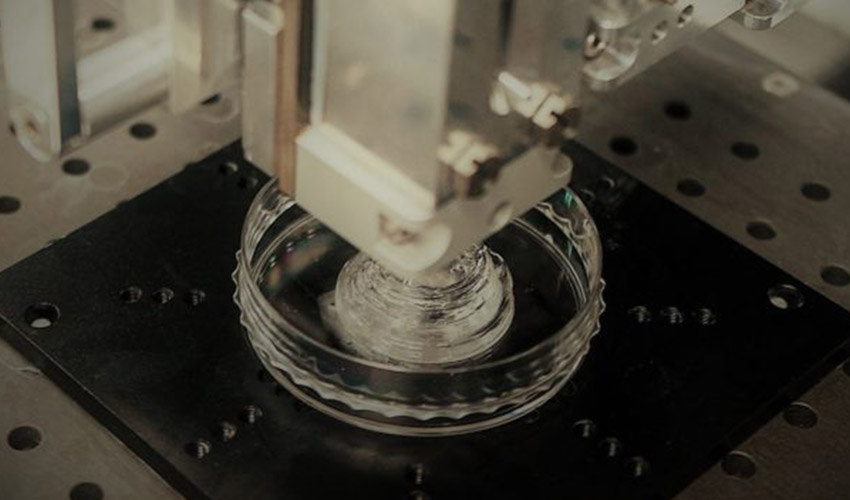
During the current COVID-19 pandemic, many 3D printing companies launched initiatives to curb the spread of the virus. Many have put their solutions at the service of medical staff and patients by creating 3D printed respirators, ventilators, and other medical equipment. Behind the scenes, researchers are trying to develop as quickly as possible a vaccine. Vaccine testing as we know it is not the most effective way to go about testing quickly. Therefore, bioprinting company CLECELL, based in Korea, is developing a new framework for vaccine testing using additive manufacturing technologies.
The startup was founded in 2017, and has focused on the research and development of artificial tissue. CLECELL has gone on to create a respiratory epithelium model earlier this year using its proprietary 3D bioprinter, the U-FAB, as well as other bioprinting technology. Epithelium is one of the four basic types of tissues in humans, lining the outer surfaces of organs and blood vessels throughout the body, as well as the inner surfaces of cavities in many internal organs. What is so interesting about the model created by CLECELL is that it is expected to become a testbed for the SARS-Cov-2 virus – the virus behind the COVID-19 illness – as well as for research on the mechanisms of various other viruses.
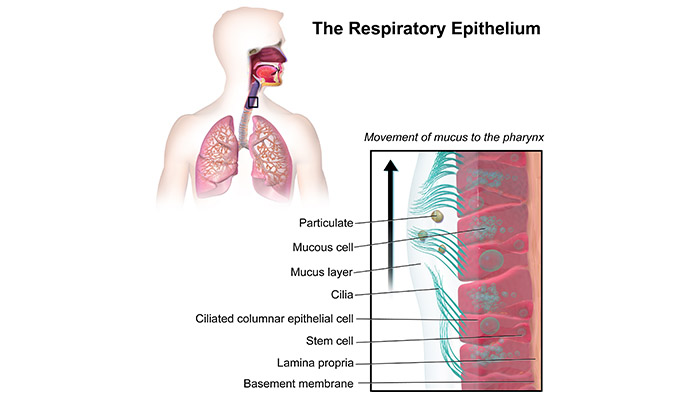
Image via CLECELL
A testbed for COVID-19 vaccine testing?
CLECELL explains that its respiratory epithelium model for in vitro testing was sought out by a team of researchers at Harvard University’s Medical School. At the beginning of April, they received a formal letter of correspondence from Choi-Fong Cho, an assistant professor of neurosurgery at Harvard Medical School, for information on the respiratory epithelium model created with bioprinting technology. CLECELL explains that Cho wanted to research SARS-Cov-2’s effect on vascular structure (the virus’s infection routes). Therefore, creating an in vitro testing platform that mimics human lung tissue via CLECELL’s bioprinting solution was of great interest.
More from the desk
Six other notes from the rest of the bench.
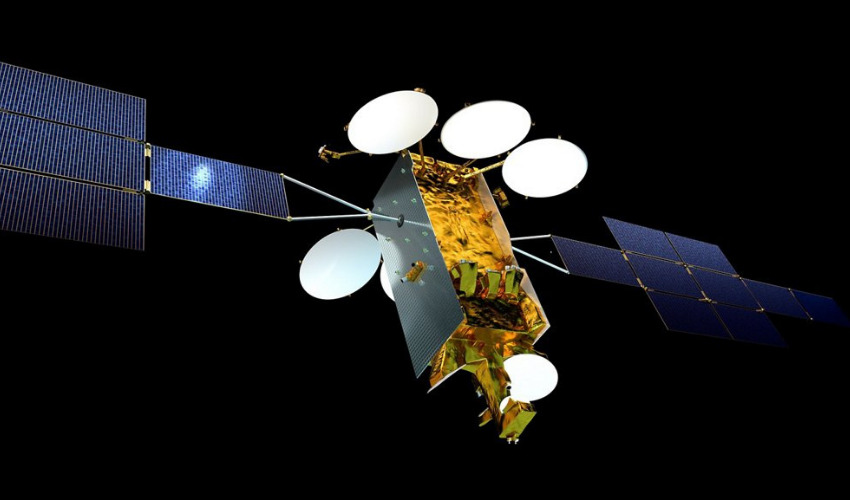 Applications3D printing goes to space on Airbus’ Eurostar Neo satellites3D printing is going back into space! Airbus has used Additive Layer Manufacturing (ALM) technology (otherwise known as 3D printing or additive manufacturing) for the creation of radio frequency (RF) components for two Eurostar Neo satellites which are planned to…
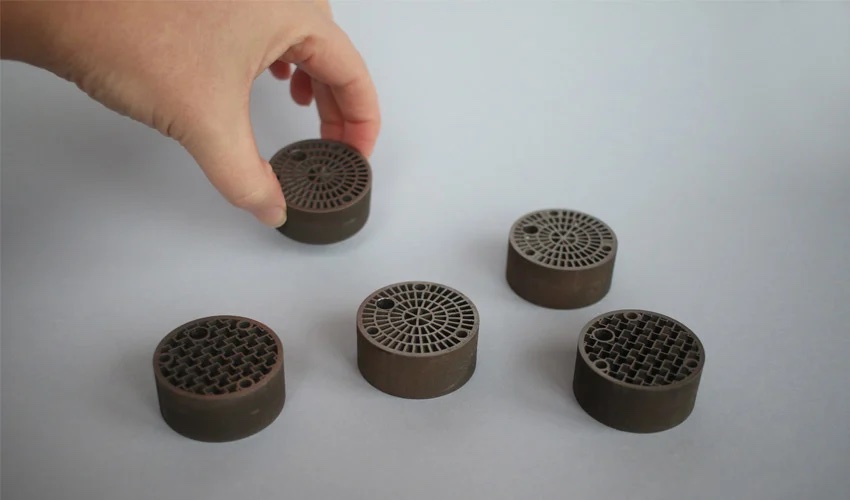 Guides#3DStartup: AddCat and its 3D Printed Reactors Which Can Purify the AirDutch startup AddCat combines metal additive manufacturing and catalytic oxidation to develop reactors capable of effectively purifying air. The startup hopes to reduce harmful industrial emissions and some of the unpleasant odors found in some industries (for example biogas plan
 PrintersTime to think composite: How can you benefit from switching to continuous fiber 3D printing?It’s no secret that additive manufacturing has been changing and will continue to change our creation and manufacturing processes. In opposition to subtractive manufacturing, objects are conceptualised, designed and then created layer by layer. Such an approach has meant that&hel
 MaterialsSAMOROST Reveals Visionary Mycelium-Based 3D Printed Furniture at DesignblokSAMOROST, a visionary project led by the Czech 3D printed construction company Buřinka, unveiled an extraordinary collection of sustainable furniture crafted from mycelium at the international Designblok festival. This innovative reveal combines the forces of mycelium, additive m
 ApplicationsEncouraging results for the 3D printed bionic pancreas projectA month ago, we presented to you the project of the Polish ‘Foundation for Research and Development of Science’, which aims to 3D print a pancreas in order to fight against diabetes. This 3D printed bionic pancreas project is an…
 ApplicationsResearchers create 3D printed artery to monitor blood pressure remotelyAt the University of Wisconsin-Madison, scientists have developed 3D printed blood vessels that enable patients to monitor their blood pressure remotely. This is promising research given that today, when surgeons replace part of a blood vessel, the grafted vessel is…