Applications
Concrete 3D Printing Will Be Used for the UK’s New High Speed Rail Network, HS2
In January 2012, it was announced that a national high speed rail network would be built in the United Kingdom, the HS2. Currently, construction is underway on the first phase of the rail, covering 140 miles between London and Birmingham.…
- 3 min read
- Applications
- Six more stories
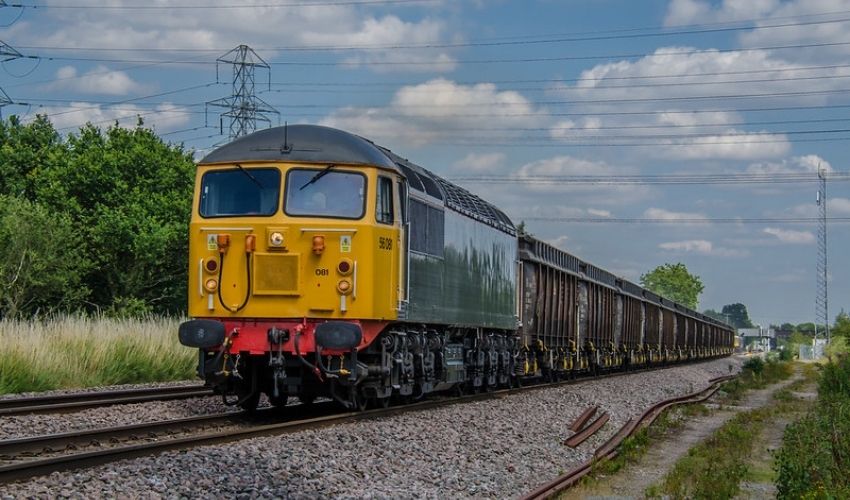
In January 2012, it was announced that a national high speed rail network would be built in the United Kingdom, the HS2. Currently, construction is underway on the first phase of the rail, covering 140 miles between London and Birmingham. In order to reduce costs as well as have greater beneficial benefits, the HS2 Ltd’s London tunnels contractor SCS JV (Skanska Costain STRABAG Joint Venture) has decided to use a new technology “Printfrastructure,” which is essentially 3D printing using concrete reinforced with graphene, for the project.
The HS2 was designed as a way to improve infrastructure across the UK, giving a more environmentally friendly option for travel. Once it is finished, it will serve passengers throughout the country thanks to stations in London, Birmingham, Leeds, Manchester, Sheffield and the East Midlands. The new railway is expected to convey up to 26,000 people while moving at speeds of up to 250 miles per hours, revolutionizing transportation in the United Kingdom. However, there have been certain constraints to building the line, such as needing to reduce environmental drawbacks and costs as well as needing a way to construct next to live rails. 3D concrete printing is the solution to that problem.

A map of Phase 1 of the HS2 (photo credits: HS2)
3D Printing and Concrete Reinforced with Graphene: A Winning Duo for the HS2
SCS JV will use computer operated robots to create structures on site, thus removing the need for complicated and expensive logistical plans. Additionally, thanks to the automation of the system, it will be possible to continue working next to a live railroad thus meaning it will not be necessary to stop construction while the trains are running. In terms of 3D printing, the company seems to be using using an extrusion process, focusing on developing structures with an internal lattice structure, a unique geometry which is strong while reducing the quantity of concrete required, thus cutting waste and providing a significant environmental advantage.
More from the desk
Six other notes from the rest of the bench.
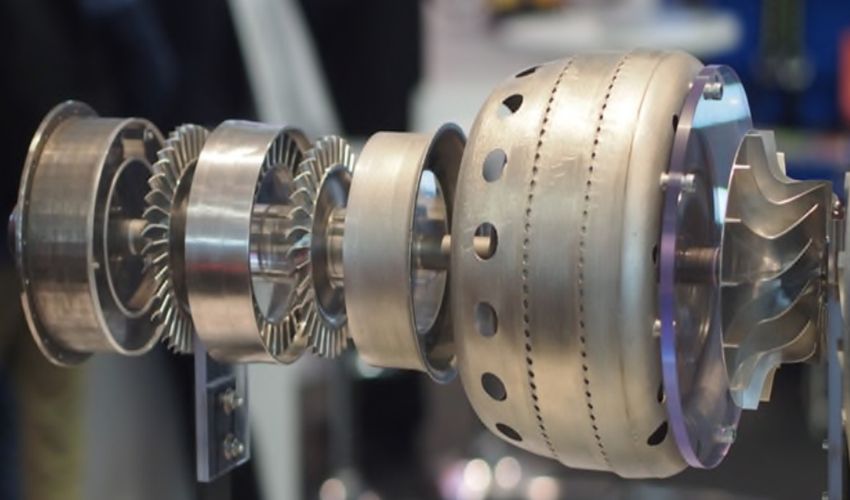 ApplicationsNASA Is Looking to Advance the Use of Metal 3D Printing for SpaceflightIt is common knowledge that additive manufacturing is extremely useful right here on Earth, but what about in outer space? For some time now, 3D printing has been considered to be one of the leading technologies for applications related to…
 NewsAdditive Manufacturing Plays A Growing Role in the Jewelry IndustrySmarTech Analysis has published a new study dedicated to the additive manufacturing market, this time focusing on the jewelry sector. According to the report, the 3D printed jewelry market is expected to reach a value of $989 million by 2031,…
 NewsA 3D Printed Organ Helps Ring in the Near Year in HelsinkiEvery year on January 1st, concerts around the world ring in the New Year in a lively and musical way. The traditional New Year’s concert by the Vienna Philharmonic Orchestra, for example, attracts millions of people every year who do…
 MaterialsSugar Lab Digital Bakery Produces 3D Printed Wedding TreatsWhile the pandemic has shaken up many wedding plans, couples across the globe are rushing forward with previously postponed nuptials. To sweeten their experience, Los Angeles-based “digital bakery” the Sugar Lab is tapping into the wedding market using a patented&hell
 ApplicationsA New 3D Printed Sweat Sensor Could Help Monitor HealthThough there are many benefits to the summer months, it is safe to say that not everything about the season is fun. Notably, sweating in the heat is an uncomfortable phenomenon that also can leave embarrassing marks on clothes as…
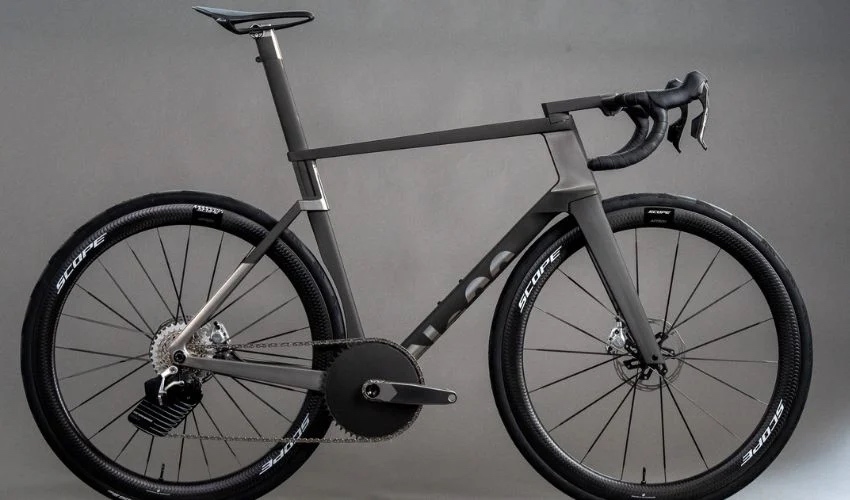 ApplicationsNo. 22 Launches Reactor Aero: The World’s First 3D-Printed Titanium Aero BikeInnovation is paramount in the world of cycling, and New York-based company No. 22 is setting new standards with the Reactor Aero, the world’s first 3D-printed titanium aero bike. The model combines state-of-the-art technology with exceptional design and promises an…