News
Additive Manufacturing Plays A Growing Role in the Jewelry Industry
SmarTech Analysis has published a new study dedicated to the additive manufacturing market, this time focusing on the jewelry sector. According to the report, the 3D printed jewelry market is expected to reach a value of $989 million by 2031,…
- 3 min read
- News
- Six more stories
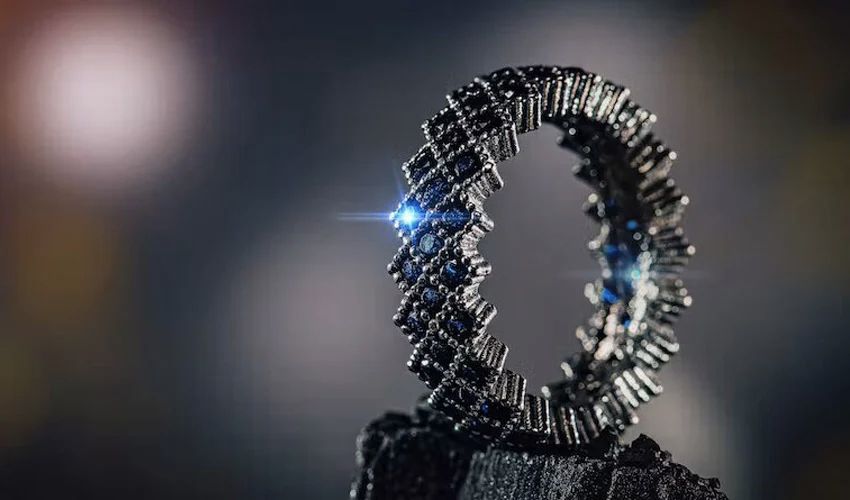
SmarTech Analysis has published a new study dedicated to the additive manufacturing market, this time focusing on the jewelry sector. According to the report, the 3D printed jewelry market is expected to reach a value of $989 million by 2031, up from $489 million this year, representing a 10% annual growth rate over the study period. This could be attributed to the emergence of precious metal printing processes, but to the declining costs of resin machines, which are popular with the industry, especially for producing molds for investment casting.
Jewelry is a complex market, most often associated with luxury, which relies on very traditional methods and long-standing craftsmanship. Yet it is also a field where innovation is key, where players must reinvent themselves to offer unique and sensational pieces. The use of additive manufacturing in jewelry is not new, and historically, the technology was primarily used in the design of prototypes and lost-wax casting models. This is still the case and the recently published report shows that these application cases hold a significant market share.
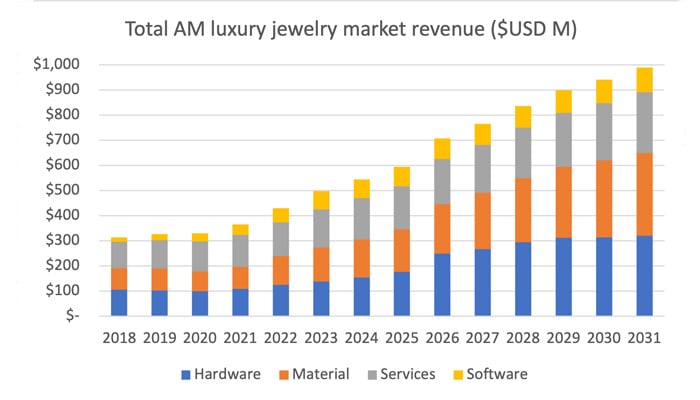
The evolution of the 3D printing and jewelry market (photo credits: SmarTech Analysis)
However, if the market for 3D printed jewelry is growing at an annual rate of 10% until 2031, it is mainly due to the development of processes such as binder jetting or developments around laser powder bed fusion, which allow the design of jewelry with precious metals. We can now rely on 3D printers to produce complex and unique rings, necklaces and bracelets. However, be aware of the costs that such a machine can represent – it is doubtful that all jewelers will immediately be able to equip themselves with a 3D metal printer, even if the price is lower than before.
More from the desk
Six other notes from the rest of the bench.
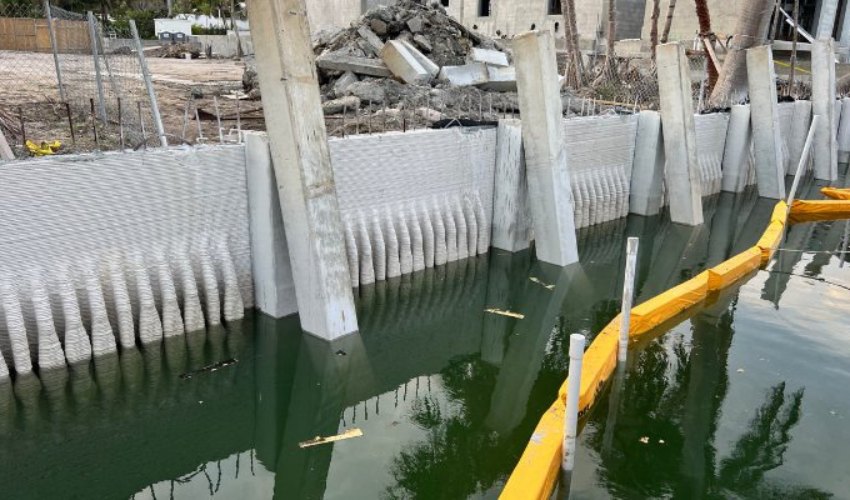 GuidesKind Designs Talks Coastal Sustainability With 3D Printed Living SeawallsAs the pace of climate change accelerates and sea levels rise, coastal communities across the globe are facing an unparalleled danger. Adding to this dilemma is the distressing decline of coral reefs. While previous efforts have addressed these issues separately,…
 Guides#3DStartup: Identify3D secures the digital supply chainAs digital manufacturing accelerates with many emerging technologies – including additive manufacturing – and companies integrating them into their supply chains, the need to protect data is increasingly important for all users. Various initiatives are emerging to acc
 GuidesInterview with Freshfiber about using 3D printing to design personalised goodsWe met with head designer Matthijs Kok to talk about Freshfiber, the European lifestyle brand based in Amsterdam, the Netherlands. The benefits of 3D printing for art and design are becoming clearer every year. However, in 2009, when almost no…
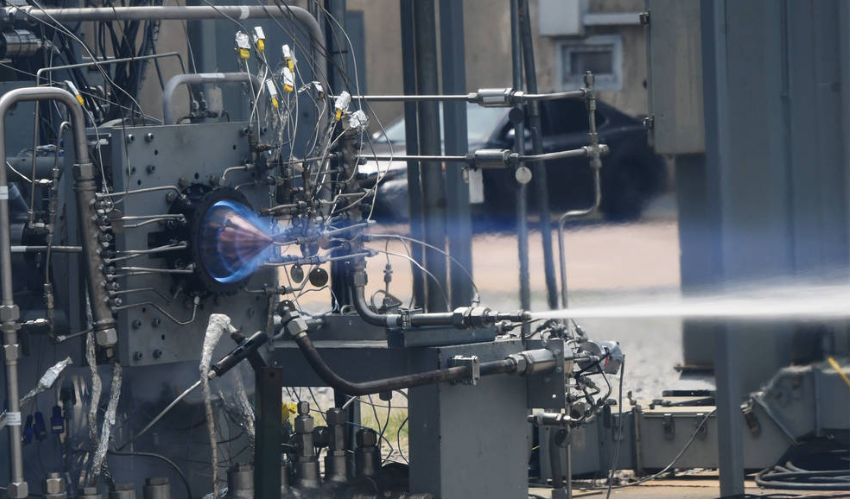 ApplicationsWith the RDRE, NASA Has Demonstrated That Engines Made With AM Are Suitable for Deep Space MissionsWe are still barely into 2023, but already the year has shown to be a promising one for additive manufacturing in space. Earlier this week we told you about the ESA which has included 3D printed parts on a rover touching…
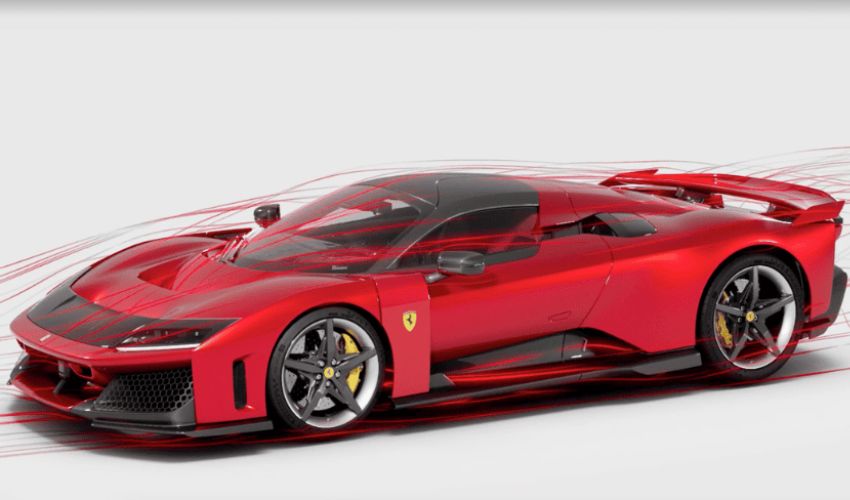 ApplicationsFerrari Uses 3D Printed Metal Parts in New F80 SupercarFerrari, the iconic Italian luxury car and racing brand, unveiled its new limited-edition F80 supercar on October 17. Production of this model will begin in 2025 and run until 2027, marking the automaker’s 80th anniversary. A total of 799 models…
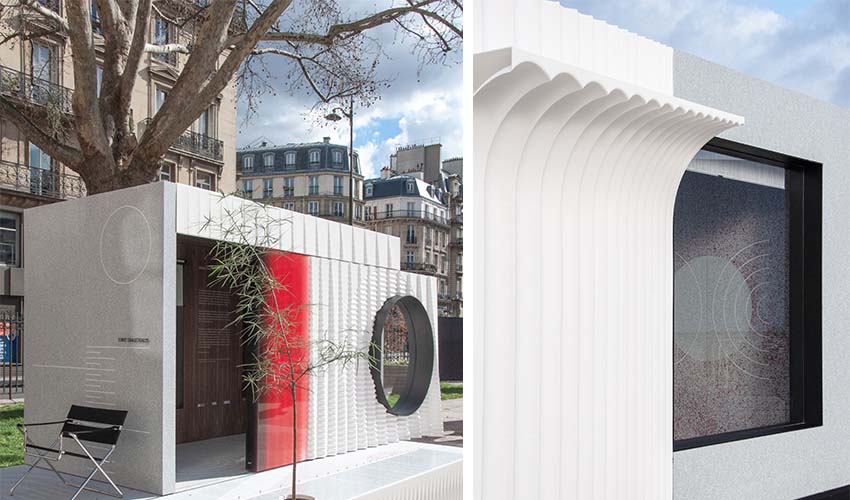 NewsTiny Bauhaus building: custom high-design architecture thanks to 3D printingAectual, the construction-tech company based in Amsterdam is a digital platform and 3D print factory that produces a variety of architectural elements. Recently, they revealed that they teamed up with DUS architects to create a novel ‘Tiny Bauhaus’ building. The…