Materials
Cleaning: A Key Step in 3D Printing Post-Processing
After a quick overview of post-processing in 3D printing, it’s time go even deeper into the topic, starting with one of the first steps that takes place immediately after printing. This is the cleaning of the part, which involves both…
- 3 min read
- Materials
- Six more stories
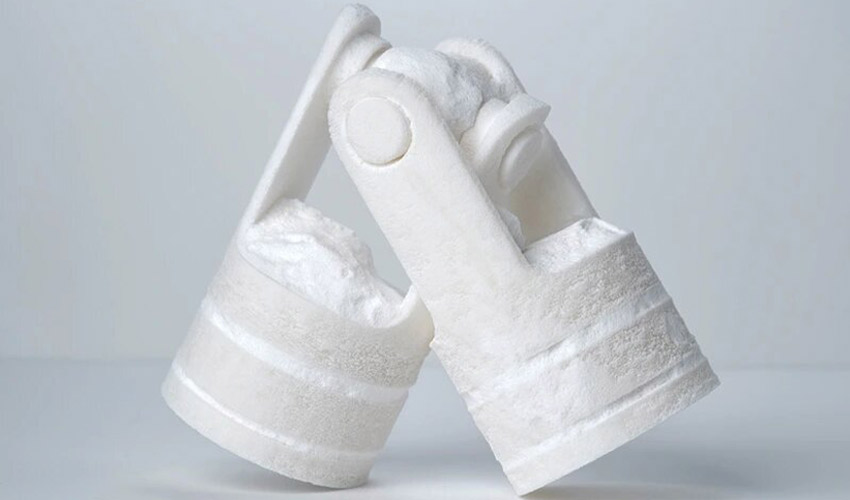
After a quick overview of post-processing in 3D printing, it’s time go even deeper into the topic, starting with one of the first steps that takes place immediately after printing. This is the cleaning of the part, which involves both the removal of printing supports and the removal of any excess material. And obviously, this cleaning step can take several forms depending on the additive manufacturing technology or the material used, among other considerations. For example, we can point to depowdering for powder bed processes or rinsing for resin technologies. Let’s take a closer look at these different methods in order to understand the possible difficulties that may be encountered during post-processing cleaning.
Whatever the 3D printing process, it is often necessary to go through post-processing steps once the 3D printer has finished its work. Removal of any supports, dewaxing, heat treatment, surface finishing, painting, etc. Often considered time-consuming, post-processing tends to be increasingly automated, with more and more solutions providing this role today. Cleaning is undoubtedly one of the steps in post-processing that still takes too much time, with pitfalls that are difficult to overcome.
Cover Photos: Matterhackers
Removing Excess Material
Remove Uncured Resin
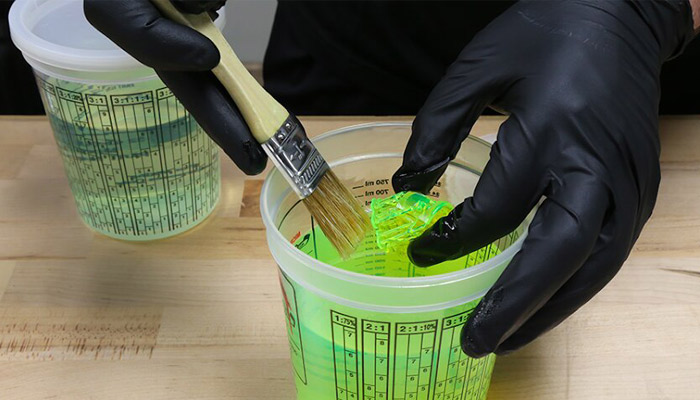
In resin processes, once the 3D printing is finished, it is necessary to go through cleaning afterwards to remove the excess material that could not be photopolymerized so that it does not solidify on the top of the model. This is what we call rinsing. This is a sensitive step because it can affect the part that has already been cured. In order to facilitate this step, several machines are available on the market: in essence they are tanks in which the user can place their parts. Moreover, resin 3D printer manufacturers often offer their own equipment, such as the Form Wash from Formlabs. Cleaning your part will usually involve the use of chemicals such as isopropyl alcohol (IPA) or tripropylene glycol monomethyl ether (TPM). Be aware of operator safety here: recommended protective equipment must be worn.
More from the desk
Six other notes from the rest of the bench.
 NewsWEBINAR: How to Overcome the Supply Chain and Labor Crisis With 3D Printing?We do not know how long the current mix of supply chain and labor issues will last, especially considering the number challenges countries have been facing worldwide. And for many the question is how can companies continue to outperform during…
 MaterialsIs PLA filament actually biodegradable?There is a reason why the most popular and widely used 3D printing material for FDM printers is PLA. It’s a very easy to print plastic compared to other materials, which makes it the ideal filament for amateurs. Also, there…
 ApplicationsHow Can 3D Technologies Save Time and Costs in the Orthopedic Sector?The medical sector has been greatly benefiting from the use of 3D technologies in recent years. One such example can be seen through one of the Chinese leaders in the field of orthopedics, Wuhan Biying Biotechnology Co., Ltd. Together with…
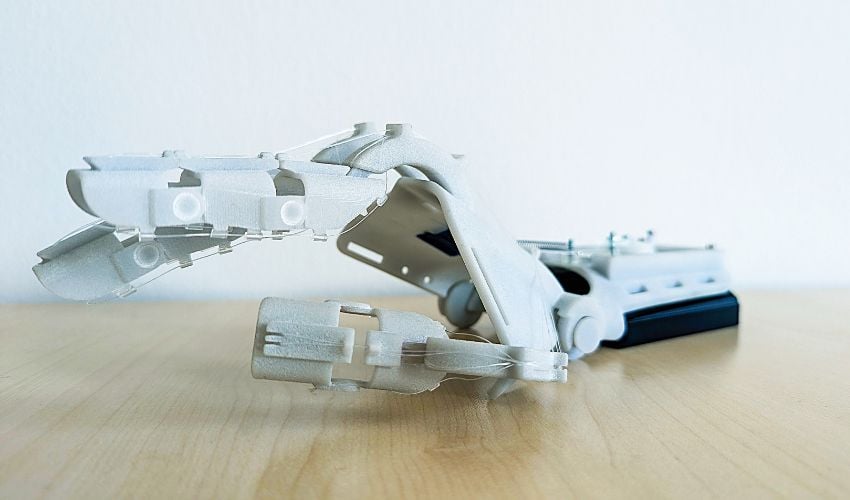 ApplicationsFraunhofer 3D Printed Exoskeleton Helps Patients Return to Daily LifeAfter accidents that damage tendons, a patient’s mobility is often severely limited. Hand injuries, in particular, can take a long time to heal and usually only recover fully through physiotherapy. For therapy, experts are increasingly using so-called exoskeletons, which are&hell
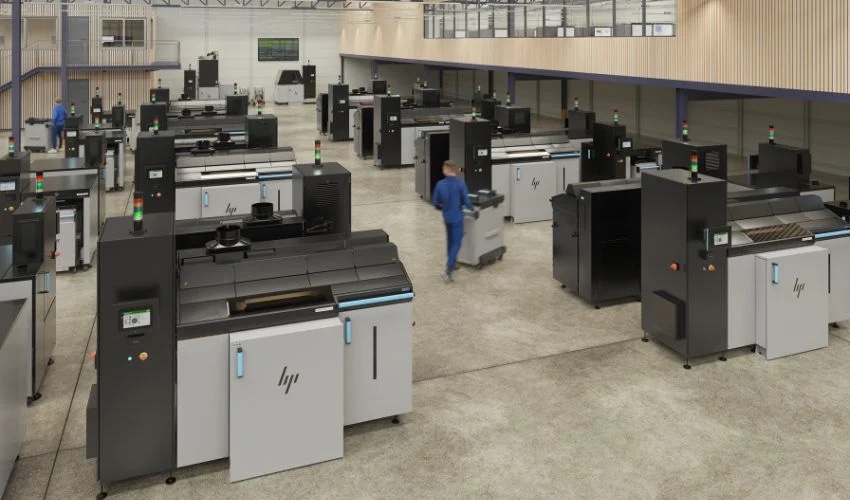 NewsHP Is Showcasing New HP Metal Jet S100 Solution and HP Jet Fusion 5400 Series at FormnextAt Formnext, both users and exhibitors are able to enjoy a place where all innovations in the field of additive manufacturing can be found: from materials to 3D printers and 3D scanners to post-processing and software solutions, everything is present!…
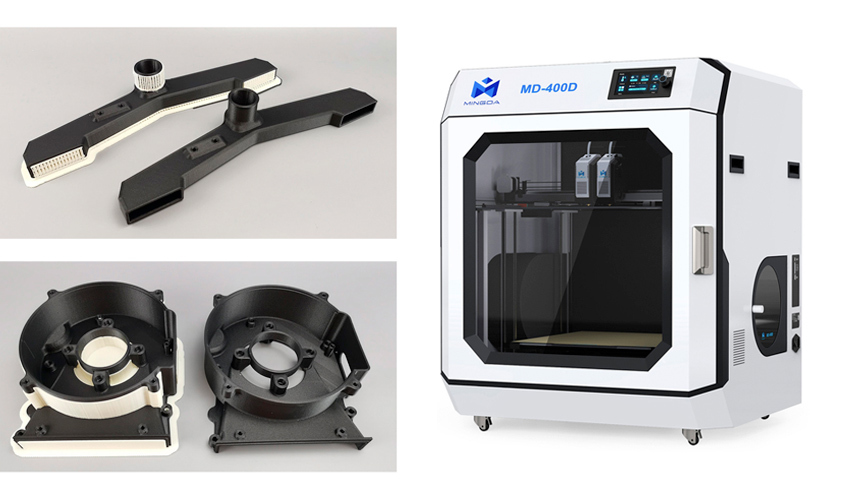 PrintersMINGDA 3D Is Paving the Way for Larger-Scale IDEX Printing With the MD-400D 3D PrinterOne of the terms that we have increasingly heard in the 3D printing field is IDEX. Meaning independent dual extruders, the technique allows for two print heads to move independently of each other. Each has a nozzle and can print…